 English
 Spanish
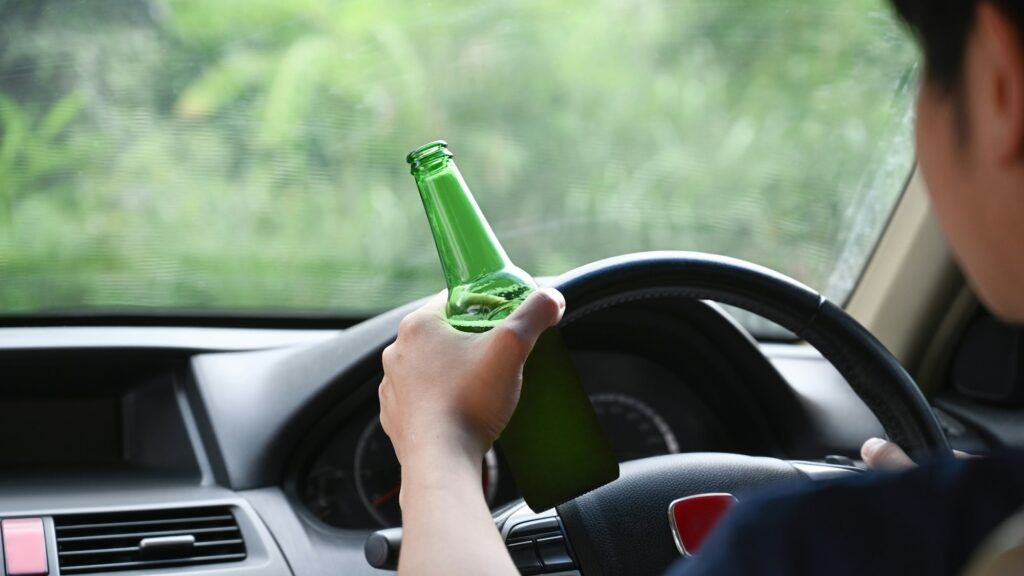
The Nevada 2-Hour Rule is a critical component in DUI cases that significantly impacts how charges are assessed and prosecuted. This rule dictates that a driver can be charged with DUI if their blood alcohol concentration (BAC) is above the legal limit within two hours of operating a vehicle. Understanding the specifics of this rule, especially in a city like Las Vegas, is essential for both residents and visitors.
What is the Nevada 2-Hour Rule?
The Nevada 2-Hour Rule states that a driver can face DUI charges if their BAC is determined to be above 0.08% within two hours of driving. This provision is designed to counter the defense strategy known as “rising blood alcohol,” where drivers claim that their BAC was below the legal limit while driving but increased after they were pulled over due to delayed testing.

Key Elements of the Rule:
- Applies to all drivers: The rule is enforced regardless of the driver’s BAC at the time of the traffic stop.
- Counters the ‘drink and dash’ tactic: The law targets individuals who consume alcohol quickly before driving in an attempt to pass initial BAC tests.
- Strict enforcement: Law enforcement officers are trained to use this rule to ensure safer roads by charging individuals who test above the legal BAC within the two-hour timeframe.
The Legal Implications
The Nevada 2-Hour Rule has transformed how DUI cases are prosecuted. If a driver is stopped and their BAC test returns a result above the legal limit within the two-hour window, they can be charged with a DUI, even if their initial BAC seemed within acceptable limits at the time of the stop. This rule helps close loopholes that could otherwise allow individuals to evade consequences by delaying their BAC testing.
Case Precedents
Relevant case precedents illustrate how the 2-Hour Rule is applied in practice. For example, State v. Walther, 1995, was a landmark Nevada case that underscored the importance of BAC testing within strict timelines to ensure admissibility in court. Such cases emphasize the need for timely chemical testing and how delays can impact the prosecution’s ability to prove DUI charges.
In Las Vegas, where nightlife and social drinking are prevalent, the application of this rule has led to more successful prosecutions and fewer loopholes for defense arguments centered around delayed testing.
How Does the 2-Hour Rule Affect DUI Cases?

The Nevada 2-Hour Rule has several implications for DUI cases:
- Wider prosecutorial reach: Prosecutors can bring charges even if BAC levels are tested within two hours post-driving and exceed the 0.08% limit.
- Increased deterrence: Drivers aware of this rule may be less inclined to attempt to manipulate BAC timing.
- Penalties and charges: The penalties for violating the two-hour rule can range from fines and license suspension to jail time, particularly for repeat offenders.
Recent Data
Statistics from 2022 indicate that out of 5,103 DUI arrests in Nevada, approximately 30% involved cases where the 2-hour rule was crucial for successful conviction. This showcases how integral the rule is for maintaining road safety.
Common Defenses Against the 2-Hour Rule
While the 2-Hour Rule strengthens DUI enforcement, certain defenses can be effective with skilled legal representation:
Challenging Test Validity
The defense might question the accuracy and timing of the BAC test. Issues such as improper calibration of breathalyzers or procedural errors in obtaining blood samples can be contested.
Proving Delay in Testing
If there is a significant delay in administering the BAC test beyond two hours without a reasonable explanation, it can form the basis for challenging the charge. Cases such as Birchfield v. North Dakota, 2016, have set standards on the legality of BAC testing procedures, emphasizing the importance of clear adherence to established guidelines.
Medical Conditions
Medical defenses, such as conditions that impact BAC levels (e.g., GERD or diabetes), can also be argued to explain discrepancies in BAC readings.
What to Do if You’re Arrested Under the 2-Hour Rule
If you’re facing a DUI charge under the Nevada 2-Hour Rule, seeking legal counsel immediately is crucial. A knowledgeable DUI attorney can:
- Assess the evidence and determine if procedural errors occurred during your BAC test.
- Help challenge the admissibility of evidence based on the timing and accuracy of the test.
- Advocate for reduced charges or dismissal if exceptions or flaws are found.
The long-term consequences of a DUI conviction—including fines, jail time, license suspension, and impacts on employment—underscore the need for a robust legal defense. The Defense Firm offers skilled representation for those facing DUI charges in Las Vegas. Contact The Defense Firm today for a free consultation to explore your options and protect your rights.
Conclusion
The Nevada 2-Hour Rule is an essential aspect of DUI enforcement, adding complexity to how cases are prosecuted in Las Vegas. By extending the timeframe for relevant BAC testing, the rule aims to close loopholes and enhance road safety. However, understanding your rights and seeking legal advice are crucial steps if you’re facing a DUI charge.
For expert guidance and representation, contact The Defense Firm today for a free consultation. Their experienced attorneys can help navigate the legal landscape and develop a defense strategy tailored to your case.