 English
 Spanish

Healing from sexual assault is a deeply personal journey that can feel overwhelming. While every person’s path to recovery is unique, there are common steps that can help reclaim life and find empowerment. This guide offers practical advice to support you throughout your healing process.
Understanding the Impact of Trauma

Sexual violence can disrupt your sense of self, leaving you with emotional and psychological challenges. These reactions are normal responses to an abnormal event and reflect your resilience in processing trauma. Common experiences may include difficulties regulating emotions, loss of self-identity, dissociation, and even PTSD. Recognizing these signs is the first step toward finding appropriate support.
Coping strategies like mindfulness, grounding exercises, and creative outlets can help manage emotional pain and regain control. Knowing your own story and developing self-awareness can be empowering, helping you make sense of the experience and begin healing. If you’ve faced trauma before, new incidents may trigger past reactions, but with the right tools, you can face these moments with resilience.
Recovery is not a solo journey. If you have a partner, their understanding and support can be vital. They should educate themselves about trauma, validate your experiences, and practice consistent, compassionate support. A partner’s awareness of consent and patient responses to trauma can make a significant difference.
Recognizing the Importance of Self-Care
Self-care is essential in healing after trauma. It involves nurturing yourself physically and emotionally through manageable actions.
Physical Self-Care
Ensure you’re getting enough sleep, eating well, and engaging in physical activity. Exercise releases tension and alleviates anxiety and depression. Even gentle activities like yoga or walking can be impactful.
Emotional Self-Care
Connect with your emotions through journaling, building supportive relationships, and speaking with a mental health professional. Seeking help is a strength, not a weakness. Embracing these practices fosters a sense of empowerment and resilience.
Incorporating self-care into your routine helps rebuild strength over time. Begin with small steps that feel right for you and allow yourself to move at your own pace.
Seeking Professional Help: Therapies and Counseling
Therapy can be transformative in your healing journey. Different approaches may resonate, so it’s essential to explore options that suit you.
Trauma-Focused Cognitive Behavioral Therapy (TF-CBT)
TF-CBT addresses negative thought patterns linked to trauma, blending cognitive behavioral principles with trauma-sensitive practices. This therapy is particularly effective for survivors, helping to reframe trauma-related beliefs.
Eye Movement Desensitization and Reprocessing (EMDR)
EMDR guides you through processing distressing memories using guided eye movements, which helps lessen the emotional impact of those memories. It’s a powerful option for reducing PTSD symptoms.
Somatic Experiencing
This holistic approach focuses on body awareness and aims to release trauma stored within. Recognizing and addressing physical sensations can restore your sense of safety and bodily autonomy.
Group Therapy
Connecting with others who share similar experiences fosters a sense of community. Group settings provide reassurance and mutual support, affirming that you’re not alone.
Finding a therapist who makes you feel safe and understood is crucial. A strong, supportive relationship with your counselor can be the cornerstone of effective recovery.
Building a Support Network
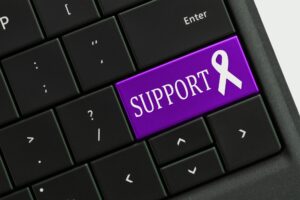
A supportive network is essential in the healing process. Trusted friends, family members, and support groups provide a sense of safety and validation.
Communicate Your Needs
Expressing your boundaries and needs ensures that those around you offer meaningful support. Your network should be a space where you feel heard and empowered.
Partner Support
A partner’s role in recovery is significant. They should educate themselves about trauma, believe your experiences, and maintain an open line of communication. Partners should also seek their own support and not take trauma responses personally. Their understanding reinforces your healing.
Professional and Advocacy Resources
Therapists, counselors, and advocacy groups offer specialized support. They provide strategies and insights that friends or family may not have, filling gaps with professional advice.
Your support system is more than a network; it’s a foundation for empowerment. Proactively nurturing these connections strengthens your resilience and healing.
Conclusion
Healing from sexual assault is challenging, but recovery is possible. Each step toward understanding your trauma, prioritizing self-care, seeking professional help, and building a support network brings you closer to regaining control. Navigating your emotions with patience and kindness is key.
Empowerment comes from recognizing your strength and embracing your journey at your pace. Learning about trauma, coping mechanisms, and understanding your story are integral parts of recovery. If you’re a partner or supporter, your understanding and assistance are invaluable.
Setbacks may happen, and emotions may fluctuate. Developing coping skills equips you to face these moments without judgment. Countless others have walked this path and found resilience and empowerment—you’re not alone.
Give yourself the grace to heal, and reach out for support when needed. Your journey is uniquely yours, and each step forward reflects your courage.
If you or a loved one need support after a sexual assault, contact The Defense Firm for compassionate guidance and dedicated legal representation. Your recovery and well-being are our priorities—let us help you take that first step toward healing and justice.