 English
 Spanish
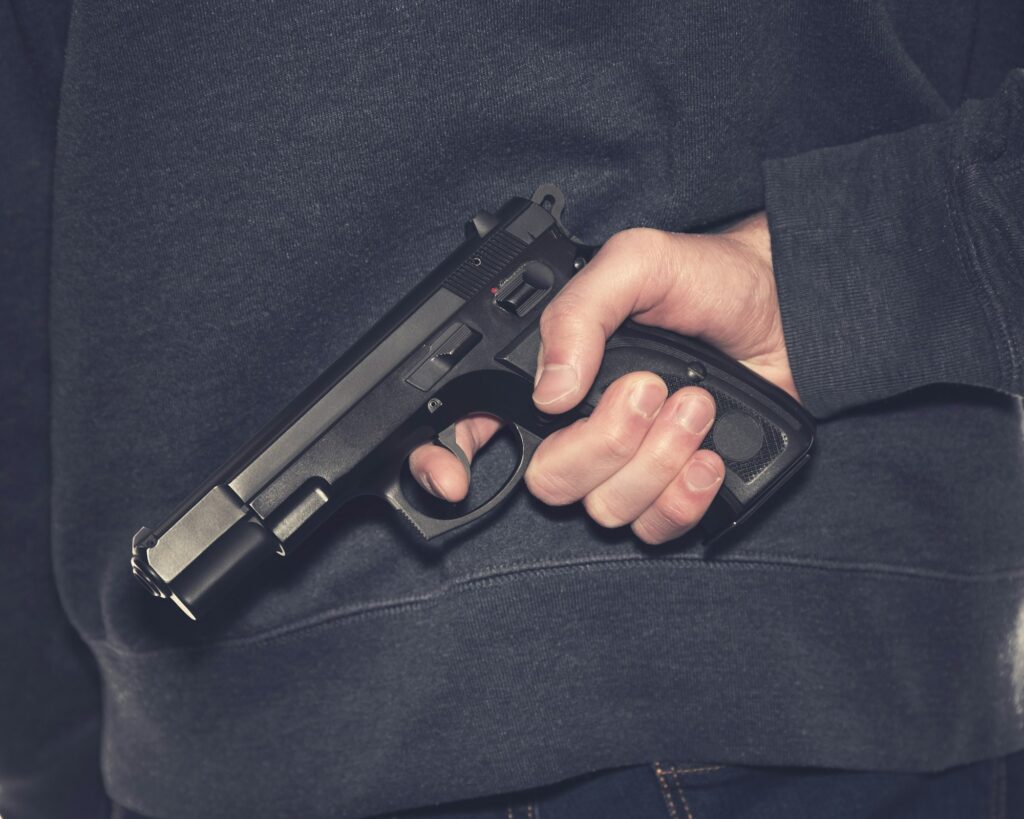
Facing a situation where you must use a firearm to protect yourself or others is daunting, and the aftermath can be legally complex. Understanding Nevada’s self-defense gun laws is essential to know your rights and responsibilities and to prepare for any potential legal scrutiny. This guide explores key aspects of these laws and what you can expect if you’re charged after using a firearm in self-defense.
Legal Framework for Self-Defense in Nevada
Nevada law recognizes the right to use reasonable force, including deadly force, in self-defense or defense of others if you face an imminent threat of death or serious bodily harm. The state’s legal framework encompasses the Castle Doctrine and Stand Your Ground laws, which provide strong protections but come with specific criteria.
Castle Doctrine
Under the Castle Doctrine, individuals are not required to retreat when defending themselves in their homes, vehicles, or places of business. The law presumes that an intruder who unlawfully enters these premises poses a threat, justifying the use of deadly force in defense. For example, in State v. Redeker, the Nevada Supreme Court affirmed that the use of deadly force within one’s residence is justifiable when facing an immediate threat.
Stand Your Ground Law
Nevada’s Stand Your Ground law eliminates the duty to retreat when you are in a place where you have a legal right to be. This means that, outside of your home, you are allowed to use deadly force if you reasonably believe it is necessary to prevent imminent death or severe injury. The pivotal aspect is that your perception of the threat must align with what a “reasonable person” would conclude under similar circumstances.
What Constitutes Reasonable Force?
The use of force must be proportionate to the threat encountered. If you respond to a minor altercation with excessive force, such as using a firearm when lesser force would have sufficed, your self-defense claim could be undermined. Courts will assess whether the level of force was necessary to neutralize the threat.
In Nevada, the case People v. Vasquez illustrated that even when claiming self-defense, the defendant’s belief in the imminent danger must be reasonable. Overreacting or misjudging a threat can lead to significant legal repercussions.
Defending Others with a Firearm
The right to use a firearm extends beyond self-protection to defending others who face an imminent threat. However, the legal bar remains high: the situation must present a clear and immediate risk of serious harm to the third party. For instance, if you intervene to protect someone being threatened with deadly force, your defense hinges on proving that you acted based on a reasonable belief of imminent danger.
Limitations and Exceptions
Despite robust protections, limitations apply. Acting out of provocation or escalating a confrontation may void self-defense claims. Nevada courts, in cases like State v. Lucero, have made it clear that initiating a conflict and then claiming self-defense will likely not hold up in court. Additionally, using excessive force that surpasses the threat level can weaken your defense.
Possible Legal Consequences
Even if your actions are legally justified, you might still face charges or legal scrutiny. Prosecutors and law enforcement will examine:
- The immediacy and severity of the threat.
- Whether the response was proportionate.
- Available evidence supporting your claim.
The burden often falls on the defendant to prove that their belief in the necessity of deadly force was reasonable. If a firearm is used disproportionately or recklessly, it could lead to manslaughter or even murder charges.
Implications for Firearm Owners
Owning a firearm for self-defense comes with serious legal responsibilities. Nevada’s laws mandate that the justification for using deadly force must meet strict standards. The Heller decision by the U.S. Supreme Court confirmed that individuals have the right to bear arms for lawful purposes, including self-defense, but each case will be evaluated based on its unique facts.
Emotional and Psychological Impact
Experiencing a self-defense incident can have lasting emotional effects. Feelings of guilt, anxiety, and trauma are common, even when actions are justified. Seeking support from professionals, such as trauma counselors, can be beneficial. Demonstrating that you are taking steps to manage your mental health can positively influence legal proceedings and show responsible behavior.
Seeking Legal Representation

If you’ve used a firearm in self-defense, obtaining experienced legal representation is essential. A knowledgeable attorney can guide you through the complexities of Nevada’s self-defense laws and build a strong case for your defense. Evidence collection, witness interviews, and expert testimony can be crucial in demonstrating that your actions were necessary and justified.
The Defense Firm is here to help you navigate these intricate legal landscapes. Contact us today for a free consultation and let our skilled team support you in protecting your rights and securing your future.
Conclusion
Nevada’s self-defense gun laws provide substantial protections for individuals who use force to defend themselves or others. However, these cases are subject to rigorous legal examination to ensure that the use of deadly force was justified and proportionate. Understanding your rights, knowing when force is deemed reasonable, and consulting with an attorney can make all the difference if you find yourself in such a scenario. Whether you’re facing charges or looking to safeguard your rights, taking proactive steps is crucial. Reach out to The Defense Firm for expert legal guidance and dedicated representation in your self-defense case.