 English
 Spanish
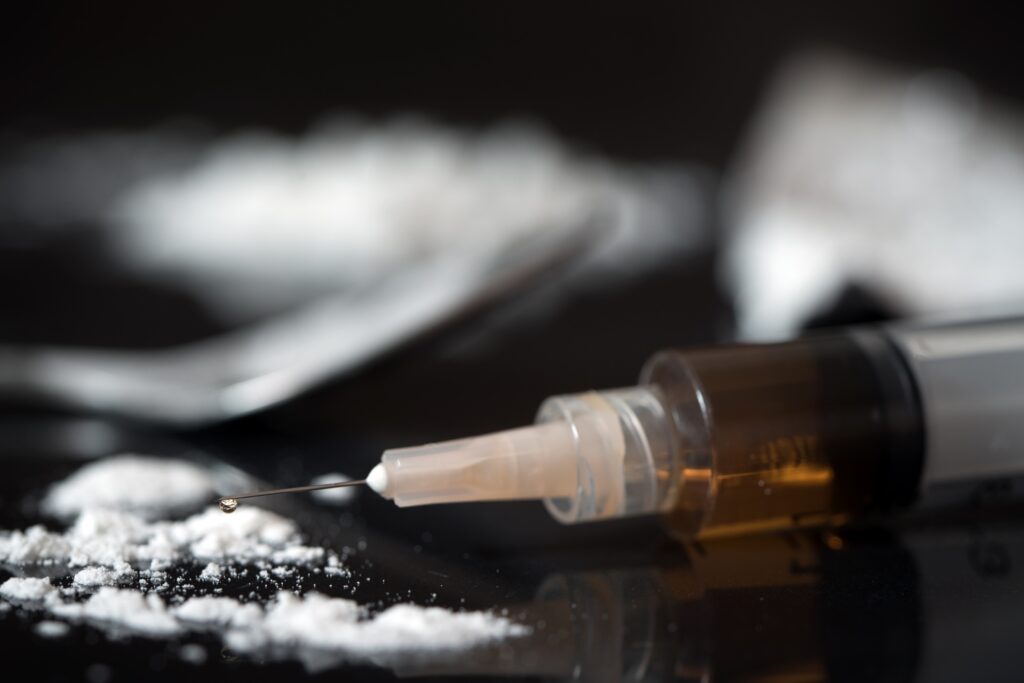
Legal definitions of dangerous drugs are established through a combination of state health and safety codes and federal mandates that outline precise criteria for risk and abuse.
The Controlled Substances Act (CSA) plays a pivotal role by setting boundaries that govern the legal distribution and use of substances deemed dangerous.
Key markers such as prescription labels—often indicated by “Rx only”—alert both patients and pharmacists that a dangerous drug requires medical oversight.
Health and safety codes further guide the classification by outlining how self-medication risks and potential misuse contribute to a drug’s dangerous profile.
Regulatory distinctions help separate these high-risk drugs from less harmful over-the-counter medications regulated by the Food, Drug, and Cosmetic Act.
In judicial contexts, the term “dangerous drug” signals to law enforcement that any person possessing such a drug without proper authorization faces strict legal consequences.
This comprehensive framework integrates federal drug law stipulations with state-specific guidelines, ensuring that dangerous drug regulations maintain public safety.
Ultimately, understanding these legal standards is vital, as they define the boundaries for lawful use and help prevent actions that lead to criminal charges for possession of a dangerous drug.
In Las Vegas, Nevada adheres closely to federal guidelines while also implementing additional measures through its statutory framework. Under provisions found in the Nevada Revised Statutes (NRS Chapter 453), the state imposes further requirements to ensure public safety.
This dual regulatory approach—federal and state—ensures that any substance classified as a dangerous drug is subject to comprehensive oversight, enhancing both community safety and the integrity of medical practices. Certified professionals, such as laser hair removal specialists, must comply with department rules to ensure safe and lawful practices.

Distinguishing Between Valid Prescriptions and Illegal Possession
A valid prescription is the cornerstone of lawful drug possession, clearly authorizing an individual to use a controlled substance for legitimate medical treatment. A person must possess such drugs only if they obtain them from authorized sources like pharmacists or practitioners.
Prescription drugs must be obtained through recognized healthcare channels, ensuring that every step complies with Nevada Division of Public and Behavioral Health regulations and applicable controlled substances laws.
When a licensed doctor issues a valid prescription, it becomes a formal document that legitimizes a patient’s right to use the medication as intended. Additionally, a practitioner acting per defined regulations can prescribe or administer these drugs lawfully.
In contrast, unauthorized handling or replication of such prescriptions can lead to allegations of illegal possession and prompt severe legal scrutiny. Strict adherence to prescribed guidelines prevents self-medication risks and ensures compliance with established health and safety codes.
Even minor deviations, such as improper storage or unauthorized replication of a prescription, may trigger charges under laws governing the possession of a dangerous drug offense. A notable case in Las Vegas demonstrated that slight procedural lapses in handling medicines can create misunderstandings with law enforcement, regardless of the valid prescription’s existence.
Law enforcement personnel in Nevada vigilantly monitor situations where prescription protocols are breached, emphasizing how easily legal boundaries can be crossed. Patients must follow all directions concerning dosage and storage to confirm that they possess a dangerous drug legally and without risk.
This clear differentiation underscores that maintaining proper procedures is essential to avoid escalating issues that could lead to criminal charges for possession of a dangerous drug. It is crucial for patients in Nevada to ensure that their prescriptions are current and properly documented. Nevada law mandates that healthcare providers verify the legitimacy of prescriptions, and any deviation from standard protocols can result in legal complications.
Moreover, pharmacies in Nevada are required to maintain meticulous records of dispensed controlled substances. These records serve as critical evidence to confirm the authenticity of prescriptions and protect both patients and prescribers from potential legal disputes. For possession to be lawful, the drug must be obtained from a pharmacist acting according to specific regulatory provisions.
Exemptions for Healthcare Professionals and Legitimate Uses
Healthcare professionals operate under unique exemptions that allow them to administer dangerous drugs safely within clinical and research settings.
Hospitals, pharmacies, and research institutions are granted specific privileges under state health services regulations, enabling controlled substances to be handled lawfully.
These exemptions recognize the importance of the lawful administration of drugs for emergency medical assistance and advanced diagnostic procedures.
Strict protocols require licensed professionals to follow detailed documentation and secure storage practices when managing dangerous drugs.
By adhering to established regulations, medical personnel ensure that controlled substances are used solely for approved therapeutic applications.
Research institutions, for instance, may experiment with dangerous drugs under controlled conditions as long as they comply with rigorous federal drug law standards. Additionally, individuals can obtain dangerous drugs for lawful research, teaching, or testing purposes, provided these activities do not involve resale.
Public health services oversee these exemptions by enforcing guidelines designed to minimize self-medication risks and ensure safe administration.
Healthcare facilities operate per the Controlled Substances Act, ensuring that all dangerous drugs are managed under close supervision. Certain drugs can only be administered under the guidance of a licensed veterinarian, ensuring that the prescription process adheres to legal regulations and health standards.
Such regulatory measures are critical during ongoing medical emergencies, where the prompt and lawful use of dangerous drugs can be lifesaving. Registered nurses are designated agents authorized to communicate prescription drug orders, acting under the authority of a practitioner within prescribed regulations.
Ultimately, these exemptions highlight that the legal framework for possession of a dangerous drug is flexible enough to accommodate legitimate, medically supervised uses while maintaining strict oversight.
Nevada regulations, in particular, recognize the critical role of healthcare providers in managing controlled substances. With specific licenses and stringent oversight, professionals are afforded exemptions that distinguish their regulated activities from unauthorized possession or misuse.
These exemptions are coupled with rigorous compliance obligations, including ongoing training and strict record-keeping, which further enhances the overall safety and integrity of drug administration in healthcare settings.

Prescription Drug Abuse
Prescription drug abuse is a growing concern in Nevada, including Las Vegas, where individuals may misuse or abuse medications legally obtained by others. The Nevada Controlled Substances Act regulates the distribution and possession of these drugs, requiring that a valid prescription be issued by a licensed practitioner.
Possessing a prescription drug without authorization can lead to criminal charges, including possession of a dangerous drug. Furthermore, self-medicating with another person’s prescription may be treated as a serious offense in Nevada law, exposing individuals to penalties such as fines, probation, or jail time.
The Nevada Board of Pharmacy and state health authorities also enforce strict standards for the safe use and disposal of prescription medications to reduce abuse and protect public health.
Safety Code Violations
Violations of the Nevada Health and Safety Code can result in serious consequences, including criminal charges and fines. The Code regulates the possession, distribution, and use of dangerous drugs and controlled substances.
For instance, distributing a dangerous drug without a valid prescription can lead to felony charges, and possessing a large quantity of a controlled substance may trigger enhanced penalties, including longer prison terms.
Additionally, individuals found in violation may be ordered to complete a drug education program or perform community restitution as part of their sentence. Seeking legal counsel immediately is critical to avoid long-term consequences.
A skilled Las Vegas criminal defense attorney can examine the specifics of your case, develop a defense strategy, and protect your rights in court.
Potential Penalties for Possession of a Dangerous Drug
Penalties for possessing a dangerous drug in Nevada vary widely, depending on the circumstances and the intent behind possession.
In many cases, first-time offenders may face misdemeanor charges, including probation, mandatory counseling, or short-term incarceration.
However, more serious offenses—particularly those suggesting intent to distribute—may result in felony charges, longer prison terms, and substantial fines.
The severity of criminal charges often depends on a person’s prior criminal history. Repeat offenders face harsher sentencing under Nevada’s habitual offender statutes.
Federal and state laws both prohibit dispensing controlled substances without proper authorization, and the Food, Drug, and Cosmetic Act emphasizes proper labeling and handling to prevent misuse.
Penalties can also include loss of professional licenses or restrictions on future access to controlled substances. In certain cases, a successful legal defense may help mitigate penalties by proving lack of criminal intent or unlawful search and seizure.
In Las Vegas, prosecutors take an aggressive approach toward drug-related offenses. If aggravating factors are present—such as large quantities, drug paraphernalia, or distribution near schools—judges may impose enhanced penalties under NRS 453.
Nevertheless, courts may offer alternative sentencing options, such as drug court, for eligible offenders. These programs often involve mandatory treatment, regular testing, and strict supervision, offering a path toward rehabilitation rather than incarceration.
Effective Legal Defense Strategies
Effective legal defense strategies are vital for those accused of illegal possession of a dangerous drug, providing avenues to challenge and mitigate severe legal outcomes.
Engaging an experienced defense attorney at an early stage is often the first step in constructing a robust response to any drug-related charges. Many attorneys offer a free consultation, providing an opportunity for potential clients to discuss their legal cases without financial risk.
Attorneys work diligently to verify the presence of a valid prescription, ensuring that it aligns with both state health services and controlled substances laws.
A critical aspect of the defense is scrutinizing the chain of custody to identify any lapses, such as flaws in the execution of a search warrant for dangerous drugs.
Defense experts frequently argue that procedural errors during evidence collection can undermine the prosecution’s case.
In some instances, legal defenses such as deferred adjudication or community supervision may be available, reducing the severity of imposed penalties.
Lawyers also examine whether proper protocols were followed during emergency medical assistance or other critical incidents involving controlled substances. Specifically, if an individual was the first to request emergency medical assistance during a drug overdose situation, it can serve as a defense against prosecution.
Detailed documentation from a pharmacy licensed to dispense medications can serve as compelling evidence that the possession of a dangerous drug was lawful. An ongoing medical emergency can also be a factor in legal defenses, providing a safeguard for those involved in overdose situations.
By challenging every step—from prescription guidelines to storage and handling—defense strategies effectively counter allegations of intent to distribute.
These approaches emphasize that even minor oversights must be rigorously examined to protect the rights of individuals accused of dangerous drug offenses.
A key element in mounting a defense in Nevada is challenging the legality of the evidence obtained. Defense attorneys often scrutinize whether proper search and seizure protocols were followed during investigations, as any deviation can result in evidence being suppressed.
Furthermore, Nevada courts have at times recognized defenses based on constitutional violations in the arrest process. A thorough examination of the arrest details can reveal critical errors that may lead to reductions or even dismissal of charges.
Conclusion
In conclusion, understanding the complex legal framework surrounding dangerous drugs is essential for patients, healthcare professionals, and anyone involved in controlled substances matters.
Accurate knowledge of what constitutes a dangerous drug empowers individuals to navigate the intricacies of controlled substances laws and maintain compliance with strict regulations.
Maintaining a valid prescription and following detailed storage protocols are critical practices that help prevent inadvertent legal breaches related to drug possession.
Healthcare providers are afforded clear exemptions that ensure the safe and regulated use of dangerous drugs within professional settings, reinforcing public safety.
For individuals facing charges, awareness of potential penalties and effective legal defense strategies can mean the difference between severe consequences and a manageable resolution.
Staying informed about the Controlled Substances Act, dangerous drug regulations, and related legal guidelines is key to avoiding criminal charges for possession of a dangerous drug.
Ongoing advancements in law enforcement procedures, including the proper execution of search warrants for dangerous drugs, continue to shape legal practices nationwide.
Local government regulations and public health services play pivotal roles in establishing standards for drug handling and dispensing across communities.
Ultimately, self-education, proactive legal consultation, and strict adherence to medical guidelines are necessary to protect oneself from the risks inherent in possessing a dangerous drug.
By remaining vigilant and informed about emerging trends in substance abuse regulation and legal defense, individuals can safeguard their health, rights, and futures while ensuring compliance with all mandates.
It is imperative to reiterate that this article is intended for informational purposes only and should not substitute for individualized legal advice. Persons facing charges related to dangerous drug possession or other legal issues, such as brandishing a firearm, should consult a qualified attorney familiar with Nevada law.
The evolving legal landscape and advancements in forensic technology continue to impact drug-related cases, underscoring the necessity for continuously updated legal strategies and expert legal support. Contact the defense firm today!