 English
 Spanish
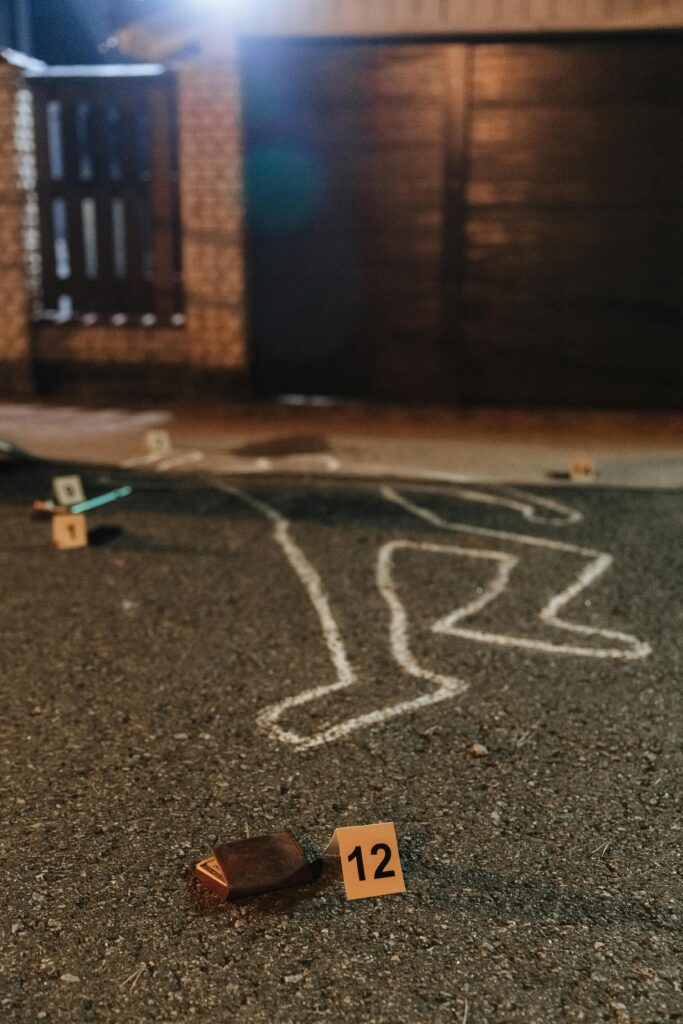
When someone is accused of taking a human life in Nevada, the legal consequences are immediate, overwhelming, and life-altering. But not every unlawful killing is treated the same under Nevada law. The line between manslaughter vs murder in Nevada is more complex than most people realize—and that difference can determine whether a person faces probation, life imprisonment, or even the death penalty.
Understanding whether a death is classified as voluntary manslaughter, involuntary manslaughter, second-degree murder, or first-degree murder is essential for anyone facing homicide charges. Every category requires prosecutors to prove specific elements, and every charge carries drastically different penalties, defenses, and long-term consequences.
This guide explains the real legal distinction between murder and manslaughter, how Nevada courts interpret malice aforethought, what separates an unintentional killing from a deliberate intention to kill, and how a Las Vegas homicide defense attorney evaluates the circumstances surrounding the case.
Understanding Nevada’s Legal Landscape: Why the Distinction Matters
Nevada law recognizes several forms of homicide, each defined by its level of intent, the actions leading to the death, and whether a reasonable person would view the conduct as reckless, negligent, or malicious. This legal framework determines whether the killing is treated as a felony crime, a heat-of-passion killing, an accidental killing, or an intentional act with malice aforethought.
When prosecutors file murder charges instead of manslaughter charges, the stakes rise immediately. A person could face:
- Life imprisonment
- Life without the possibility of parole
- Decades-long prison sentences
- Even the death penalty in cases with aggravating circumstances
This is why understanding the legal distinctions is crucial. A shift from murder to manslaughter can reduce exposure to the most severe penalties in the criminal justice system.

How Nevada Defines Homicide: Murder vs Manslaughter
Nevada’s homicide laws are rooted in the Nevada Revised Statutes (NRS), which outline the differences between an unlawful killing, a lawful act, and a killing committed in self-defense or justifiable homicide.
At the highest level, the law distinguishes between:
- Murder – An unlawful killing with malice aforethought
- Manslaughter – An unlawful killing without malice
The presence or absence of malice is the defining legal distinction. Malice can be expressed (deliberate intent) or implied (reckless disregard for human life).
First-Degree Murder: The Most Serious Form of Unlawful Killing
First-degree murder in Nevada requires proof of a deliberate intention to kill or a killing caused during the commission of certain felony crimes (felony murder rule).
A first-degree murder conviction may involve:
- Premeditation
- Deliberate intent
- Use of deadly force
- Murder committed during a burglary, robbery, or other listed felonies
Because this level of homicide involves intentional and malicious action, it carries the harshest potential penalties: life in prison or the death penalty.
Nevada courts treat the unlawful taking of a human life in this category as the gravest offense.
Second-Degree Murder: When Malice Exists Without Premeditation
Second-degree murder applies when a person kills without premeditation but with malice aforethought. It includes deaths caused by conduct showing reckless disregard for human life, even without a clear intent to kill.
Examples may involve:
- A person firing a gun into a crowd
- Extreme reckless behavior resulting in death
- Acts demonstrating conscious disregard for human life
Although second-degree murder is less severe than first-degree murder, it still carries decades in prison and a lifetime felony record.
Voluntary Manslaughter: When Emotional Disturbance Reduces Culpability
Nevada recognizes that certain killings occur in the heat of passion, meaning the person acted under extreme emotional disturbance that would cause a reasonable person to lose self-control.
Voluntary manslaughter occurs when:
- A death happens during a sudden argument
- A killing results from a serious provocation
- The person lacked time to “cool off” before acting
- The act was intentional but not malicious
For example, discovering a spouse in an affair and reacting violently may be considered voluntary manslaughter instead of murder.
It is still a serious offense, classified as a Category B felony, but the penalties are significantly lower than those for murder.

Involuntary Manslaughter: The Lowest-Level Homicide Charge
Involuntary manslaughter occurs when a person unintentionally kills another while acting in a reckless, negligent, or unlawful manner—but without intent or malice.
Common scenarios include:
- A fatal car accident caused by negligence
- A death resulting from the reckless handling of a firearm
- An unintentional killing resulting from a lawful act performed in an unlawful manner
This form of homicide is still devastating, but the law recognizes that the intent to kill was never present.
Vehicular Manslaughter: A Special Category in Nevada
Nevada treats certain traffic-related deaths as vehicular manslaughter, which involves:
- Simple negligence behind the wheel
- A death resulting from a negligent act
- No intent to kill, no alcohol, no extreme recklessness
This is distinct from DUI causing death, which is treated far more severely.
What Makes Murder Different? The Role of Malice Aforethought
The central difference between manslaughter vs murder lies in the presence of malice aforethought.
Malice may be:
- Express – a deliberate intention to kill
- Implied – acting with a conscious disregard for human life
In murder cases, prosecutors must show more than just carelessness or negligence. They must show that the actions leading to the death were so intentional, deliberate, or reckless that they rise to the level of malice.
Nevada’s Felony Murder Rule: When No Intent Is Required
Under certain circumstances, a person can face murder charges even if they never meant to kill. Nevada’s felony murder rule applies when someone is killed during the commission of certain felony crimes, such as:
- Burglary
- Robbery
- Home invasion
- Sexual assault
This rule creates some of the harshest legal consequences in Nevada, often leading to first-degree murder charges and life imprisonment.
Self-Defense and Justifiable Homicide: When Killing Is Not a Crime
Nevada law recognizes that some killings are legally justified, meaning they are not considered manslaughter or murder at all.
A homicide may be justified if:
- The person reasonably believed they were in danger of serious bodily harm
- They used deadly force to prevent death or harm
- The act met the legal standards of self-defense
In these situations, the killing is not an offense. A defense attorney may argue justifiable homicide to prevent a conviction.
Mitigating and Aggravating Circumstances: How They Affect Charges
The exact homicide charge often depends on the circumstances surrounding the killing.
Mitigating circumstances can reduce a murder charge to manslaughter, such as:
- Provocation
- Heat of passion
- Emotional distress
- Lack of criminal history
Aggravating circumstances, however, may elevate penalties:
- Use of a deadly weapon
- Killing a child
- Killing during a felony
- Prior violent offenses
These circumstances can even make a defendant eligible for the death penalty.
What Are the Penalties for Manslaughter in Nevada?
Voluntary manslaughter penalties (Category B felony):
- 1–10 years in prison
- Significant fines
- Long-term consequences
Involuntary manslaughter penalties (Category D felony):
- 1–4 years in prison
- Fines
- Permanent felony record
The law acknowledges that manslaughter lies at a lower level of culpability, but penalties are still severe.

What Are the Penalties for Murder in Nevada?
Penalties escalate dramatically for murder, including:
- Life imprisonment with possibility of parole
- Life without parole
- 50 years with parole eligibility after 20 years
- In rare cases, the death penalty
Because of these extreme consequences, anyone accused of murder or manslaughter requires immediate legal representation.
The Legal Process: What Happens After Someone Is Charged?
A homicide case goes through multiple stages, including:
- Arrest
- Bail hearing
- Charging by the district attorney
- Preliminary hearing
- District court arraignment
- Discovery
- Negotiations
- Pre-trial motions
- Trial
Because Nevada imposes significant penalties for homicide, even minor errors in the early stages can affect the entire case.
How an Experienced Defense Attorney Can Protect Your Future
Every homicide case is unique. A skilled attorney examines:
- Whether the killing was an unintentional act
- Whether the conduct shows negligence, recklessness, or malice
- Whether self-defense applies
- Whether the killing was part of a lawful act performed in an unlawful manner
- Whether the death qualifies as voluntary or involuntary manslaughter
- Whether the prosecution can prove intent to kill
- Whether evidence was obtained illegally
- Whether mitigating factors warrant reduced charges
A defense lawyer’s job is to challenge the prosecution’s evidence and fight to prevent a murder conviction, reduce charges, or obtain a full dismissal.
FAQ
What is the main difference between manslaughter and murder in Nevada?
The primary difference is malice aforethought. Murder requires either express or implied malice, while manslaughter involves an unlawful killing without malice.
Can an unintentional killing be charged as murder?
Yes. Under Nevada’s felony murder rule, a person may face murder charges even when they never intended to kill.
Is heat of passion considered murder or manslaughter?
A killing in the heat of passion is usually treated as voluntary manslaughter if a reasonable person would have lost self-control under the same circumstances.
Conclusion
The distinction between manslaughter vs murder in Nevada is more than a legal definition—it can determine the difference between a few years in prison and the rest of your life behind bars. Nevada law recognizes that not all killings are the same, and the courts evaluate every case based on intent, circumstances, malice, and whether a reasonable person would have acted differently.
If you or a loved one is facing homicide charges, the stakes could not be higher. The right legal strategy can mean the difference between being labeled a murderer, being convicted of a lesser offense, or being cleared entirely. No one should navigate this process alone.
If you’re facing murder or manslaughter charges in Las Vegas, take action immediately. Contact The Defense Firm for a free consultation with an experienced Nevada homicide defense lawyer who can fight for your freedom, your future, and your rights.