 English
 Spanish
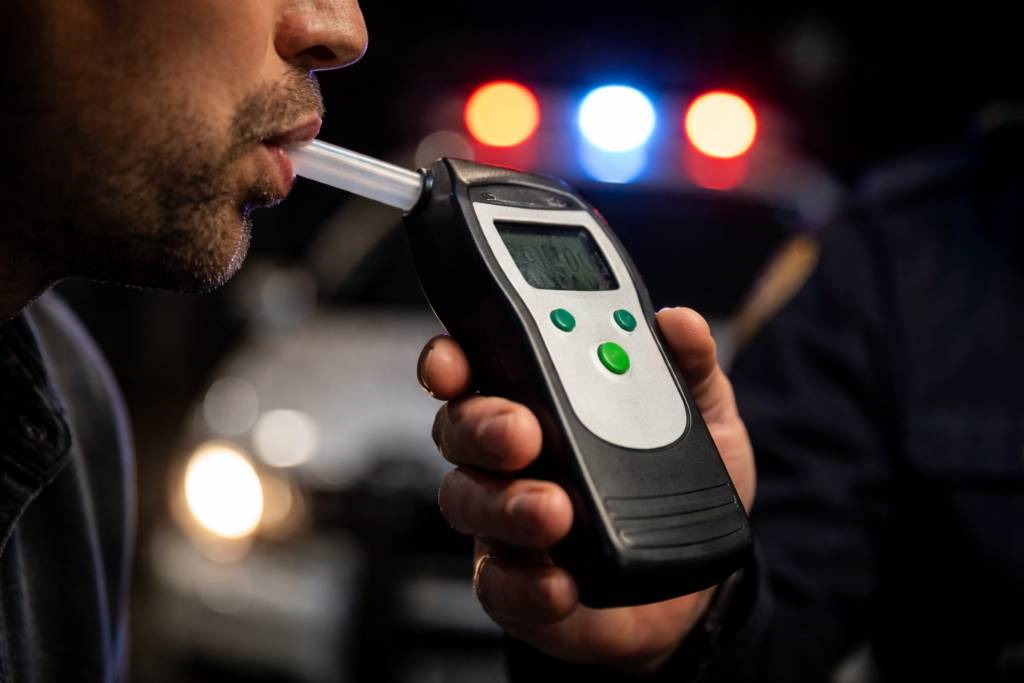
A Las Vegas DUI arrest often unfolds quickly, and few moments feel more pressured than when a law enforcement officer asks you to submit to a breathalyzer test in Nevada. Many drivers believe refusing is a safe choice—that by saying no, they avoid incriminating evidence. Under Nevada law, however, refusing a breath test can trigger serious legal consequences that are separate from, and sometimes harsher than, the DUI charge itself.
Understanding what happens if you refuse a breathalyzer in Nevada is critical because refusal decisions affect both the criminal court and the Department of Motor Vehicles. From automatic license suspension to the possibility of a forced blood draw, refusal often complicates a DUI investigation rather than helping it. For drivers in Las Vegas and Clark County, knowing how refusal works can shape the entire DUI case.
Nevada’s Implied Consent Laws and Why They Matter
Under Nevada’s implied consent laws, any person who drives a vehicle is deemed to have agreed to submit to a chemical test if lawfully arrested for DUI. This is known as implied consent, and it applies the moment you operate a vehicle on Nevada roads. Once a police officer has probable cause for a DUI arrest, refusal becomes a legal violation with immediate consequences.
This matters because refusing an official test is not a neutral act. While you can legally refuse a roadside breath test or preliminary breath test, refusing a post-arrest chemical test—such as an evidentiary breath test or blood test—triggers administrative penalties regardless of whether you are ultimately convicted.
Preliminary Breath Test vs. Evidentiary Breath Test in Nevada
Drivers often confuse the preliminary breath test with the evidentiary breath test, but Nevada law treats them differently. A roadside breath test is typically used during field sobriety tests to help an officer decide whether to make a DUI arrest. Refusing this roadside test does not automatically suspend your driver’s license.
Once arrested, however, the situation changes. A breathalyzer test, blood test, or urine test administered after arrest is considered an evidentiary test. Refusing such a test under Nevada’s implied consent framework leads directly to automatic license suspension and other legal consequences.
The DUI Investigation After a Breath Test Refusal
When a DUI suspect refuses a breath test after arrest, the arresting officer does not simply abandon the investigation. Instead, refusal often escalates the response. Officers may seek a blood draw, sometimes using reasonable force if legally authorized, to obtain a blood sample.
From a legal perspective, refusal can strengthen the prosecution’s narrative. Prosecutors often argue that breath test refusal shows consciousness of guilt, which can influence a DUI trial. Rather than preventing evidence, refusal may result in stronger, more invasive evidence being collected.
Administrative License Suspension for Refusing a Breathalyzer
One of the most immediate consequences of refusing a breathalyzer test is administrative license suspension. The Nevada Department of Motor Vehicles can impose a license suspension even if the criminal DUI case is still pending. This is an administrative action, not a criminal punishment.
Drivers are typically issued a temporary license, which is only valid for a short time. To challenge the suspension, you must request a DMV hearing quickly. Missing this deadline almost guarantees license revocation, significantly affecting your driving privileges.
DMV Hearing: Your Only Chance to Challenge License Loss
A DMV hearing is separate from criminal court, and many drivers underestimate its importance. At this hearing, the focus is on whether the police officer had legal grounds to request a chemical test and whether the refusal was properly documented.
Winning a DMV hearing can preserve your driver’s license, even if the criminal case continues. Losing it means enduring a full license suspension, regardless of whether you are later ultimately convicted of DUI. This dual-track system is why early legal representation is essential.
Criminal Penalties Linked to Breath Test Refusal
Refusing a breathalyzer test in Nevada does not eliminate criminal penalties. If prosecutors proceed with a criminal DUI case, refusal may be used as evidence against you. Courts can consider refusal when determining penalties involved, including jail time, fines, and required programs.
In some cases, refusal can lead to harsher penalties, especially if there are prior offenses. Judges may view refusal as non-cooperation, which can influence sentencing outcomes and probation conditions.
Blood Draws and Forced Testing After Refusal
Many drivers believe refusal prevents testing altogether, but this is rarely true. After refusal, officers may obtain a warrant for a forced blood draw. A qualified person can then collect a blood sample, producing blood alcohol content evidence that is often more precise than breath results.
From a defense standpoint, blood evidence introduces new issues, such as chain of custody, testing procedures, and lab accuracy. However, refusal often invites this deeper scrutiny, expanding the scope of the DUI case.
How Refusal Affects DUI Charges in Clark County
In Clark County, prosecutors frequently pursue DUI cases aggressively, even without breath results. They rely on officer observations, field sobriety tests, and chemical evidence obtained through blood draws. A breath test refusal does not stop the case; it reshapes it.
This affects plea negotiations as well. Prosecutors may be less inclined to reduce DUI charges when refusal is involved, believing the defendant attempted to avoid testing. This makes strategic defense planning even more important.
Ignition Interlock Devices and Refusal Cases
A DUI conviction involving refusal often results in stricter post-conviction requirements. Courts may order an ignition interlock device as a condition of reinstating driving privileges, even for first-time offenders.
This requirement adds financial and logistical burdens, reinforcing why refusal is not the shield many drivers believe it to be. Understanding these downstream consequences is critical when evaluating defense options.
Common Myths About Refusing a Breathalyzer in Nevada
One widespread myth is that refusing guarantees of dismissal. In reality, refusal often leads to stronger prosecution strategies. Another misconception is that refusal only affects the criminal case, ignoring the severe administrative penalties imposed by the DMV.
These misunderstandings frequently leave drivers unprepared for the full impact of refusal. Accurate legal guidance is essential to avoid costly mistakes that follow you long after the arrest.
Defense Strategies After a Breath Test Refusal
Effective DUI defense after refusal focuses on the legality of the stop, the arrest, and the officer’s compliance with Nevada’s implied consent laws. If police failed to follow proper procedures, evidence may be challenged or excluded.
A skilled dui defense attorney also examines whether the refusal was properly recorded and whether the driver was clearly informed of the consequences. These details can be pivotal in both criminal court and DMV proceedings.
Long-Term Consequences of Breath Test Refusal
Beyond immediate penalties, refusal can affect insurance rates, future arrests, and sentencing exposure in later cases. Prior refusals may be considered aggravating factors in subsequent DUI charges.
For drivers in Las Vegas, the long-term impact often outweighs any perceived short-term benefit. Refusal decisions echo through future interactions with law enforcement and the courts.

Why Early Legal Representation Is Critical After Refusal
Timing is everything after a DUI arrest involving refusal. Deadlines for a DMV hearing are short, and evidence must be preserved immediately. Delaying legal help can permanently close doors.
Working with an experienced Las Vegas DUI attorney ensures your rights are protected at every stage. Early intervention often makes the difference between manageable penalties and lasting damage.
FAQ
Can I legally refuse a breathalyzer test in Nevada?
You can refuse a preliminary breath test at the roadside. However, refusing a post-arrest chemical test violates implied consent law. That refusal leads to automatic license suspension and other penalties.
Does refusing a breath test mean I won’t be charged with DUI?
No, prosecutors can still file DUI charges based on other evidence. Refusal may actually be used against you in a DUI trial.
Will my license be suspended if I refuse?
Yes, the DMV imposes an administrative license suspension after refusal. You must request a DMV hearing quickly to challenge it.
Conclusion
Refusing a breathalyzer test in Nevada is rarely the safeguard drivers expect. Instead, it triggers automatic license suspension, invites forced blood draws, and strengthens the prosecution’s position in both criminal court and administrative proceedings. Under Nevada law, refusal carries serious consequences that can affect your freedom, finances, and driving privileges long before a final verdict is reached.
If you are facing a Las Vegas DUI arrest or have already refused a breathalyzer, legal options still exist—but they are time-sensitive. The Defense Firm provides experienced, strategic legal representation focused on protecting your rights and minimizing the impact of refusal. Contact The Defense Firm today for a free consultation with a knowledgeable defense attorney who can guide you through the process and fight for your future.