 English
 Spanish
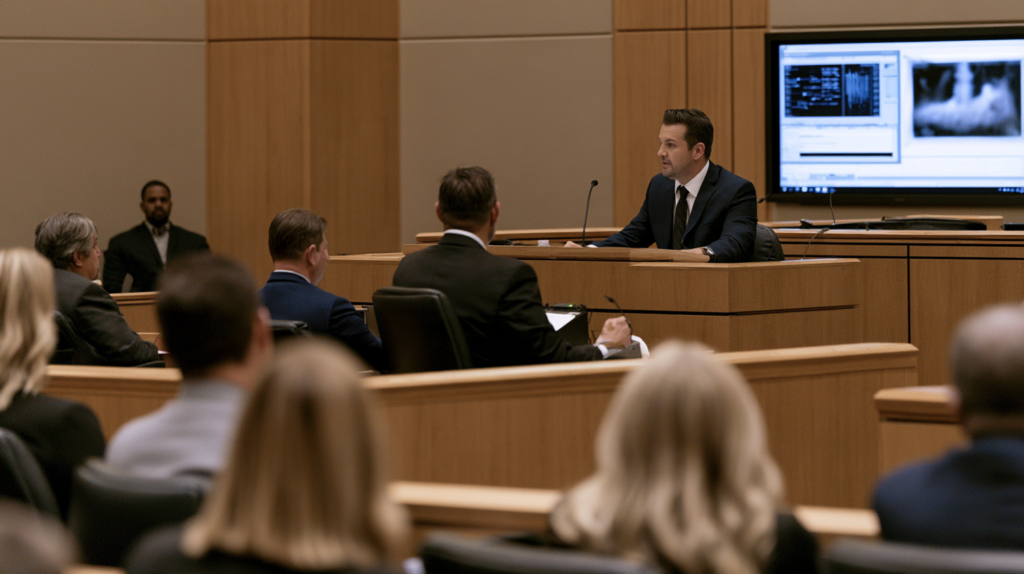
A drug case can move forward for months based on a roadside test that was never designed to conclusively establish what the substance actually is. The confirmatory laboratory analysis happens separately, on a different timeline, and is performed by an analyst whose work may later need to be presented and challenged in court.
That makes several questions important from the beginning: Has confirmatory testing been completed? Who performed it? Is the analyst available? Does the laboratory report match the seizure records and chain of custody?
A roadside drug test is presumptive, not confirmatory
The field test an officer performs during a stop is generally a presumptive test.
It may indicate that a substance could be a particular controlled substance, but it is not the same as a full laboratory analysis.
Confirmatory testing is performed in a laboratory using different methods and equipment, and it is that analysis that produces the result the prosecution may ultimately rely on to identify the substance.
That distinction has a practical consequence.
A criminal case may be charged, arraigned, and move through several stages while confirmatory testing is still outstanding.
The important question is not simply whether police performed a roadside test. It is whether the substance has actually been tested by the laboratory and what that analysis shows.
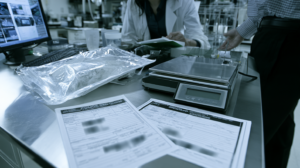
The laboratory analyst can become a constitutional issue
The person who performed the laboratory analysis matters because forensic reports can implicate the Sixth Amendment Confrontation Clause.
In Melendez-Diaz v. Massachusetts, the U.S. Supreme Court held that certain forensic laboratory certificates qualify as testimonial statements for purposes of the Confrontation Clause.
That means the prosecution cannot necessarily rely on a laboratory report as though it were simply an ordinary business record with no witness behind it.
The defense may have the right to confront the analyst responsible for the testimonial statements contained in the report.
That is why analyst availability can become important.
If the analyst has left the laboratory, is unavailable, or did not personally perform the relevant analysis, defense counsel can examine how the prosecution intends to introduce the chemical evidence and whether the proposed testimony satisfies the defendant’s confrontation rights.
Nevada does not impose a general deadline for drug-lab testing
Nevada does not establish one general statutory deadline requiring controlled-substance evidence to be tested within a specific number of days.
That is important because delays alone should not be treated as though they automatically violate a drug-testing deadline.
Nevada does impose specific laboratory deadlines in certain other contexts.
For example, sexual assault forensic evidence kits have statutory submission and testing deadlines.
Those rules apply specifically to sexual assault kits.
They do not establish a general turnaround period for drug or toxicology testing.
In a drug case, the practical effect of delay is therefore different.
The issue is what evidence the prosecution currently has, what remains outstanding in discovery, and whether the substance underlying the charge has actually been confirmed.
Testing delays can still affect the posture of the case
The absence of a fixed statutory deadline does not make laboratory delays irrelevant.
If confirmatory testing has not been completed, that can affect what the prosecution is able to establish at different stages of the case.
It can also create important discovery questions.
Has the evidence reached the laboratory?
When was it submitted?
When was it tested?
Has the report been produced?
Was additional testing requested?
The answers should come from the records in the defendant’s case rather than general statistics about laboratory backlogs.
The status of the specific evidence matters more than a statewide or national average.
Chain of custody tracks who handled the evidence
The chain of custody is the documented history of what happened to physical evidence from the moment it was seized through transport, storage, laboratory analysis, and later retention.
Each transfer creates a point where documentation should exist.
That may include the original officer who seized the substance, an evidence-storage facility, transport personnel, laboratory intake staff, the analyst, and anyone who handled the evidence afterward.
The purpose of examining the chain is to determine whether the evidence tested in the laboratory can be reliably connected to the evidence originally seized in the case.

Where chain-of-custody problems can appear
Several parts of the evidence trail deserve particular attention.
One is transfers between custodians.
Each handoff should be documented sufficiently to explain who possessed the evidence and when.
Another is storage.
The defense may examine how the evidence was packaged, secured, and accessed while it was waiting for analysis.
A third issue is a weight or quantity discrepancy.
If the amount recorded by the officer differs from the amount later reported by the laboratory, the defense should determine whether the difference has a documented explanation.
A gap in the chain does not automatically result in dismissal or exclusion.
But it can create a concrete issue concerning the reliability and weight of the evidence.
The laboratory report should be compared with the rest of the file
A laboratory report should not be treated as a final answer that requires no further review.
The defense can compare it with the seizure records, charging documents, evidence logs, and chain-of-custody records.
Important details can include:
- The substance identified.
- The testing methodology.
- The quantity or weight.
- The date the analysis occurred.
- The name of the analyst.
- Identifying information connecting the sample to the defendant’s case.
Each of those details can be checked against other documents.
The question is whether all of the records describe the same evidence on a coherent timeline.
The date of analysis can reveal an important part of the evidence history
The analysis date can show how long the substance remained in storage before laboratory testing occurred.
That connects the testing-delay issue directly with the chain-of-custody issue.
A lengthy delay is not automatically improper, but it increases the importance of understanding where the evidence was stored and who had access to it during that period.
The laboratory report and evidence logs should allow counsel to reconstruct that timeline.
If they do not, the missing information may justify additional discovery requests.
The identity of the analyst matters
The name attached to the laboratory report is also important.
Defense counsel should determine who actually conducted the testing and whether that person is the same analyst identified on the report.
That distinction can matter under the Confrontation Clause.
A laboratory may have several employees involved in intake, preparation, testing, review, and approval.
Which person’s testimony is constitutionally required can depend on what each person actually did and which testimonial statements the prosecution intends to introduce.
That is why analyst availability should be addressed through the specific laboratory records rather than assumptions about who signed the final document.
Drug-lab evidence follows different rules from DUI testing
It is important not to confuse controlled-substance testing with Nevada’s separate rules involving breath, blood, and urine evidence in impaired-driving cases.
DUI-related testing can involve statutory procedures governing affidavits and live testimony.
Those procedures do not automatically control the chemical identification of drugs seized in a possession or trafficking case.
The confrontation analysis for a controlled-substance laboratory report involves a different legal framework.
That distinction matters when determining which deadlines, objections, and testimony requirements actually apply.
Quantity discrepancies can affect the level of a drug charge
The amount of a controlled substance can affect the severity or classification of a Nevada drug charge, so a difference between the weight recorded at seizure and the amount later reported by the laboratory can matter. Not every discrepancy is suspicious, however. Packaging may have been included in one measurement and excluded in another, testing may consume part of the substance, and moisture or other physical changes can affect weight.
The key question is whether the records explain the difference. A documented reason for a change in weight is very different from an unexplained discrepancy. Defense counsel can compare the original seizure record, property documentation, laboratory report, and chain-of-custody records to determine whether the quantities remain consistent throughout the case.
A field test, lab report, and available analyst are three different things
These three stages are not interchangeable: a field test provides only presumptive information, a laboratory report provides confirmatory analysis, and an available analyst may be necessary when the prosecution seeks to introduce testimonial laboratory evidence at trial. Because a Nevada drug case can move forward before all three pieces are in place, defense counsel should determine exactly what evidence currently exists rather than assume that a roadside result has already been confirmed.

Frequently Asked Questions
Can a Nevada drug case move forward before the lab result is finished?
Yes. A presumptive field test can be part of the evidence supporting the early stages of a criminal case while confirmatory laboratory testing is still pending. That does not mean the field test and laboratory analysis are equivalent. Defense counsel should determine whether confirmatory testing has actually been completed and what the final report shows.
What happens if the analyst who tested the drugs no longer works at the laboratory?
That can raise a Confrontation Clause issue depending on who performed the testing, who created the relevant testimonial statements, and how the prosecution intends to introduce the laboratory evidence. The answer depends on the specific report and laboratory process, so defense counsel should determine exactly who performed each part of the analysis.
Does a gap in the chain of custody automatically get the drug evidence thrown out?
Generally, no. A chain-of-custody problem does not automatically exclude evidence or dismiss a case. It can, however, create a meaningful issue concerning the reliability and weight of the evidence, especially when the prosecution cannot clearly explain where the substance was, who handled it, or why the records contain discrepancies.
Conclusion
A roadside test, a laboratory result, and testimony from the analyst are three different parts of a Nevada drug case. The prosecution may move forward before all three are complete, which makes it important to determine exactly what has been tested and what remains unproven.
The laboratory report should be compared with the seizure documentation, evidence weights, custody records, and the identity of the analyst who performed the work.
If you or someone in your family is facing drug charges in Clark County, contact The Defense Firm for a free confidential consultation. A Las Vegas drug defense lawyer can review the laboratory testing, chain of custody, analyst information, and discovery to determine whether the chemical evidence supports the prosecution’s allegations or creates issues that should be challenged.