 English
 Spanish
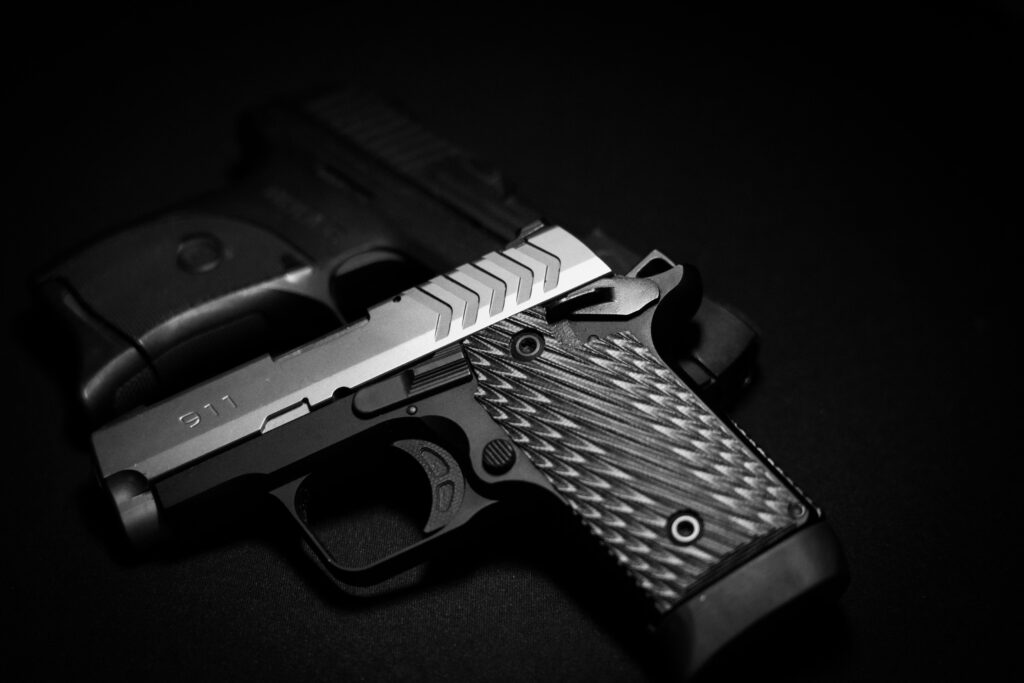
Carrying a firearm can feel like an ordinary part of life for many Las Vegas residents—especially those who believe in the Second Amendment and the right to bear arms. But carrying a gun in Las Vegas when it becomes a felony often happens faster than people expect, sometimes during a routine traffic stop, a domestic call, or a misunderstanding about eligibility. In Nevada, the shift from “lawful carry” to felony offense is usually about who is carrying, where the firearm is, and what is happening at the moment—not simply the act of owning a gun.
If law enforcement believes you fall into prohibited persons categories, or that you had possession of a firearm in a restricted situation, you may face criminal charges that carry a prison sentence, permanent criminal record consequences, and potential loss of civil rights. The stakes can be even higher when federal law overlaps with Nevada law, creating parallel exposure at the federal level and under Nevada state law. Understanding the risks early is the first step toward protecting your rights and building a defense.

The Legal Process: What Happens When Police Suspect Felony Gun Possession in Clark County
A weapons investigation often begins with the same moment you realize things have escalated—an officer asks if there is a gun in the car, requests consent to search, or claims the firearm is tied to a prohibited status. In Clark County, law enforcement may seize the firearm immediately, run records checks, and review whether the individual is a convicted felon, subject to a domestic violence restriction, or otherwise disqualified from firearm possession. These early actions can quickly trigger a referral to prosecutors who decide whether to file misdemeanor charges or felony-level counts.
This matters because the first reports often define the case narrative before you ever speak to a criminal defense attorney. Statements made during the stop—especially without counsel—can be used to establish knowledge and control, which are key elements in proving possession. Once a case is filed, it moves through arraignment, bail determinations, and pretrial litigation, where the defense must aggressively challenge the state’s evidence and protect against overcharging.
Nevada Gun Laws and the Key Legal Question: When Does Carrying Become a Felony?
Under Nevada gun laws, felony exposure often turns on eligibility and prohibited status. In many cases, the issue is not whether you “own” the gun, but whether you had gun possession—either actual possession or constructive possession—while falling under a category Nevada law prohibits from possessing firearms. This is why people can be charged even when the gun belonged to a friend, family member, or was stored in a shared space.
The client-facing implication is serious: you can face felony prosecution even when there was no violence, no discharge, and no intent to commit wrongdoing. Prosecutors may treat certain facts as automatic aggravators—prior records, certain protective orders, or alleged substance use—then file felony counts with enhanced penalties. Understanding these triggers is critical because what seems like a routine carry can become a felony case with life-altering consequences.
NRS 202.360 and Felon in Possession Allegations in Las Vegas
Nevada’s core prohibition statute is often referenced as NRS 202.360, which addresses possession restrictions for people with disqualifying histories. Under NRS 202.360, an ex-felon or a person convicted of a felony may be accused of felon in possession if they possess or control a firearm. A prior record does not have to be recent; a prior felony conviction can still create exposure years later, and many people are shocked when prior felony convictions face new prosecution based on a single traffic stop or home visit.
This matters because felon-in-possession cases are often prosecuted aggressively due to public safety concerns and perceived risk of violent crime. If you are found guilty, you may face state prison time and a lasting felony conviction that impacts housing, employment, and future rights. Even when a person believes they have moved on from past mistakes, a firearm allegation can reopen the most serious legal consequences.

Constructive Possession: How a Firearm in Las Vegas Can Create Felony Charges
Many felony gun cases are not based on a gun found on someone’s body—they are based on constructive possession. Constructive possession means the state claims you knew the firearm existed and could control it, even if it was not in your hands. A gun under a car seat, in a glove box, or in a shared closet can become the basis for a felony allegation if prosecutors argue it was within your control and tied to or her possession or her right to access it.
This matters most in shared spaces. If you live with family members, share a vehicle, or have roommates, the state may still try to attribute control to the person they view as the “responsible party.” The defense strategy often focuses on separating proximity from possession, challenging assumptions, and forcing the state to prove knowledge and control beyond a reasonable doubt.
Concealed Firearm Issues: When Lack of a Permit Turns Into Criminal Charges
A concealed gun can become a legal problem when it’s carried unlawfully or in a way that violates Nevada’s permit framework. Even though Nevada allows concealed carry with a concealed weapons permit, the permit must be valid and applicable to the situation. If law enforcement alleges you lacked a permit, carried in a prohibited manner, or carried in a restricted location, you can face criminal charges that escalate depending on your status and the circumstances.
The key point is that permit issues can become far more serious when combined with prohibited-person status. A technical violation that might otherwise be handled at a lower level can become felony exposure if prosecutors claim the individual should not have possessed firearms at all. That’s why early legal review of the facts—where the gun was, how it was carried, and whether the stop was lawful—is essential to protecting your options.
Domestic Violence and Firearm Rights: When a Domestic Violence Charge Creates Felony Risk
Cases involving domestic violence are one of the fastest paths to firearm prohibition issues. A domestic violence charge can lead to immediate restrictions, especially when courts issue protective orders or when prosecutors believe firearms create a heightened risk. Even before an outcome, certain court orders can restrict possession and create a legal trap for people who have guns in the home, even if the firearms belong to a spouse or other household member.
This matters because people often assume restrictions apply only after conviction, but protective orders can create real risk immediately. If a firearm is accessible while an order is in place, prosecutors may argue unlawful possession, especially if the person has custody of the property or access to the home. These cases require careful defense planning to protect rights while respecting court orders and avoiding new felony allegations.

Federal Prohibition and State Law: When Federal Crime Exposure Makes the Case Worse
Even when a case is prosecuted under Nevada law, federal prohibition can still shape exposure. Federal law restricts firearm possession for certain categories, including people with a felony record, certain domestic violence restrictions, and other disqualifying status categories like illegal immigrants or unlawful users. When prosecutors believe federal restrictions apply, the case can involve overlapping risk under federal law and Nevada state law, making the stakes higher and the negotiation landscape more complex.
This matters because federal restrictions can influence bail, charging decisions, and the prosecution’s posture about risk of future harm. Even if the case remains in state court, the threat of a federal crime can affect how aggressively prosecutors pursue a felony resolution. An experienced defense attorney will evaluate the case for dual exposure and develop a strategy that protects the client from both state and federal consequences.
Mental Health Facility and Mentally Ill Persons: Another Category of Prohibited Persons
A less understood area involves restrictions tied to mental health adjudications. Nevada and federal frameworks can restrict firearm possession when a person has been committed to a mental health facility or falls into categories often referenced as mentally ill persons or mentally ill status. These cases are particularly sensitive because they involve private medical and court records, yet they can still trigger criminal prosecution if the state claims unlawful possession.
This matters because people may not realize a past proceeding altered their eligibility to possess firearms. Even when someone believes their situation was resolved or stabilized, records can still be interpreted as prohibitive unless rights were restored through legal channels. The defense must examine documentation carefully and determine whether the prohibition applies, whether the state’s interpretation is correct, and whether the case is being overcharged.
Charges and Penalties: Category B Felony, Category C Felony, and Category D Felony Outcomes
When firearm possession becomes felony-level, prosecutors may pursue different categories based on the facts and the person’s legal status. In the most serious cases, the state may allege a category B felony or category C felony, which can carry significant exposure, including prison time and a long prison sentence. Other cases may involve a category D felony, depending on the statutory theory and case history, with sentencing ranges that still risk incarceration and long-term consequences.
The client-facing reality is that a felony gun case rarely ends with “a fine and forget it.” A conviction can create a permanent record, affect employment, restrict professional licensing, and eliminate future gun eligibility. Even when a case begins with a misunderstanding, the penalties can be severe if prosecutors establish prohibited status and possession.
Defense Strategies: How a Criminal Defense Attorney Challenges Felony Gun Possession
A strong defense often begins with challenging whether the state can prove possession at all. If the case is based on constructive possession, the defense can argue the firearm was not under the defendant’s control, that the space was shared, or that the gun belonged to someone else. The defense may also challenge whether the defendant knew that the firearm existed, because knowledge is critical when prosecutors try to convert proximity into a felony case.
Another major defense strategy is challenging the legality of the search. An illegal search can lead to suppression of the firearm evidence, which can collapse the prosecution’s case. If officers searched without lawful authority, extended a stop improperly, or violated constitutional standards, a defense attorney can file motions to suppress and force the state to prove the evidence was obtained legally.
Legal Consequences: How a Felony Conviction Changes Gun Rights and Civil Rights
A felony conviction has consequences that go far beyond court dates. It can eliminate gun rights, restrict the ability to possess firearms, and impact the long-term exercise of the right to bear arms. It can also affect employment opportunities, housing applications, and professional licensing due to the lasting effect of a criminal record. For many people, the real punishment is not only incarceration—it is the permanent stigma and limitations that follow.
This matters because even people who believe they were acting in self-defense or simply transporting a firearm can be treated as a prohibited possessor if the state can prove status and possession. The legal process can be unforgiving once a felony is entered, and reversing consequences is difficult. Protecting your future requires early intervention, evidence analysis, and a defense plan that aims to avoid felony outcomes whenever possible.

FAQ
Can I be charged if the gun was in my car but not on me?
Yes, because Nevada recognizes constructive possession. If the firearm is accessible and prosecutors claim you knew it was there, they may argue you had control over it even if it wasn’t on your body. This is common in traffic stops where a gun is found under a seat or in a console.
A strong defense challenges assumptions and highlights shared access and a lack of proof of knowledge. Constructive possession cases are often defensible when the evidence is thin.
Does a domestic violence charge affect firearm possession in Nevada?
It can. A domestic violence charge may lead to protective orders or restrictions that create immediate firearm prohibitions, especially when courts view the situation as high-risk. Even if the firearm belongs to someone else in the home, access can create legal exposure if an order restricts the accused person’s possession.
Because these rules can apply quickly, it’s important to seek legal advice early. A defense attorney can help you understand restrictions and avoid accidental violations that create felony exposure.
Can federal law apply even if my case is in a Nevada state court?
Yes. Federal law can restrict firearm possession for certain categories, and federal prohibition can influence how the case is handled. Even if the prosecution stays under Nevada state law, overlapping federal restrictions can raise the stakes and affect negotiation posture.
An attorney can assess whether the case carries federal crime risk and build a strategy that protects against both state and federal consequences.
What defenses exist for felony gun possession charges?
Common defenses include challenging possession—especially in constructive possession cases—and challenging the legality of the search. If the firearm was found through an illegal search, the defense may seek suppression, which can significantly weaken the prosecution’s case.
Defenses also include disputing prohibited status, showing lawful eligibility, and contesting whether the state can prove knowledge and control. Early legal representation improves the ability to preserve evidence and build the strongest defense.
Conclusion
Carrying a gun in Las Vegas when it becomes a felony often comes down to prohibited status, alleged possession, and how law enforcement obtained the evidence. Whether the state alleges felon in possession, a violation of NRS 202.360, a domestic violence-based restriction, or federal disqualification, the result can be criminal charges with enhanced penalties, state prison exposure, and a permanent criminal history record. The good news is that legal options exist—especially when the defense challenges possession, disputed eligibility, and unconstitutional searches.
If you’re facing a firearm case in Las Vegas, Boulder City, or Clark County, time matters. Contact The Defense Firm today for a free consultation with an experienced Nevada criminal defense lawyer who can protect your rights, challenge an illegal search, and fight to keep a firearm allegation from becoming a life-changing felony conviction.