 English
 Spanish
DUI checkpoints are a common tool used by law enforcement agencies in Las Vegas to identify impaired drivers and reduce drunk driving accidents. These stops, also known as sobriety checkpoints, are set up on major Las Vegas roads and operate under strict constitutional guidelines established by the United States Supreme Court.
The purpose of these checkpoints is not random enforcement but public safety. Officers aim to deter impaired driving and identify individuals who may pose a risk. While these stops are legal in Nevada, they must follow specific procedures under Nevada law to avoid violating drivers’ rights, just as visitors must understand essential Nevada drug laws when visiting Las Vegas.
Constitutional Guidelines That Make DUI Checkpoints Legal
The legality of DUI checkpoints in Las Vegas is based on court decisions that balance public safety with individual rights. The United States Supreme Court has ruled that checkpoints are allowed as long as they follow standardized procedures and are not arbitrary.
Under state law, officers cannot stop vehicles based solely on personal discretion. Instead, they must follow a pattern, such as stopping every second or third vehicle. This structure ensures that the checkpoint does not become an unreasonable search under constitutional protections.
How DUI Checkpoints are Conducted in Las Vegas
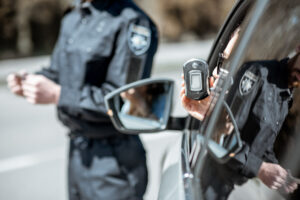
At a typical DUI checkpoint, law enforcement officers briefly stop vehicles to check for signs of impaired driving. Drivers may be asked for their driver’s license, vehicle registration, and proof of insurance.
During this interaction, officers observe behavior such as slurred speech, the smell of alcohol, or other indicators that may lead to a DUI investigation. If no signs of impairment are present, drivers are usually allowed to proceed within seconds.
Reasonable Suspicion and When a Stop Becomes an Investigation
A checkpoint stop is initially limited, but it can escalate if an officer develops reasonable suspicion. This occurs when observable factors suggest that the driver may be under the influence.
Once officers suspect impairment, they may extend the stop and begin further investigation. This can include asking additional questions or requesting that the driver step out of the vehicle for further evaluation.
Field Sobriety Tests and Driver Rights
Officers may ask drivers to perform field sobriety tests if there are signs of impairment. These tests are designed to assess coordination and cognitive function, but they are not always accurate.
In Nevada, drivers can generally refuse field sobriety tests without immediate criminal penalties. However, refusal may still influence the officer’s decision to continue the investigation or request additional testing.

Breathalyzer and Chemical Testing Requirements
If an officer establishes probable cause, they may request a breathalyzer test or other chemical test. Unlike field sobriety tests, these tests are typically legally required under Nevada’s implied consent laws, including in cases involving marijuana DUI laws in Nevada.
Refusing a chemical test can lead to license suspension and additional administrative consequences. In some cases, officers may obtain a warrant for a blood test, especially if impairment is strongly suspected.
What Drivers are Legally Required to Do at a Checkpoint
When stopped at Las Vegas DUI checkpoints, drivers must provide identification and basic documentation when requested. This includes a valid driver’s license, registration, and proof of insurance.
Drivers are not required to answer all questions beyond identifying information. Understanding these limits helps protect your constitutional rights while still complying with the law.
The Right to Remain Silent During a DUI Stop
Drivers have the right to remain silent beyond providing basic identification. While officers may ask questions about drinking or travel plans, you are not obligated to provide detailed answers.
Remaining calm and respectful while limiting unnecessary statements can help reduce the risk of self-incrimination. This is especially important if the situation escalates into a DUI investigation.
Illegal Turns and Avoiding DUI Checkpoints
Some drivers attempt to avoid checkpoints by making an illegal U-turn or violating other traffic laws. This can create additional legal problems and draw attention from police officers.
While making a legal U-turn before reaching a checkpoint may be allowed, any traffic violation gives officers a reason to initiate a stop. This often leads to further scrutiny, potential DUI arrests, or even unrelated charges such as theft allegations arising in Las Vegas casinos.
Common Mistakes Drivers Make at DUI Checkpoints
Many drivers unknowingly increase their risk by making simple mistakes. These include arguing with officers, providing inconsistent answers, or failing to follow instructions.
Other errors involve volunteering information that leads to further investigation. Even minor behaviors can influence how officers interpret the situation during a checkpoint stop.
DUI Arrests and Potential Criminal Charges
If sufficient evidence is gathered, a driver may be arrested and face DUI charges. In Nevada, these charges can range from a gross misdemeanor to more serious offenses depending on prior convictions or the severity of the incident, and the lasting impacts of a DUI on your Las Vegas driving record can be severe.
Cases involving injury or repeat offenses may lead to category B felony charges, significantly increasing potential penalties. In more serious situations, conduct at the scene can also result in separate felony battery charges under Nevada law. These outcomes highlight the importance of understanding your rights early.
License Suspension and Administrative Consequences
A DUI arrest often triggers immediate action from the Nevada DMV, including license suspension. This administrative process is separate from the criminal case and can begin shortly after the arrest.
Drivers may have the option to challenge the suspension through a DMV hearing, but strict deadlines apply. Resources like a dedicated Las Vegas DUI & DMV hearing guide can help explain this process. Missing these deadlines can result in automatic loss of driving privileges.
The Role of Evidence in DUI Checkpoint Cases
Evidence collected during a checkpoint stop plays a critical role in the outcome of a case. This includes officer observations, test results, and any recorded interactions.
If procedures were not followed correctly, the defense may challenge the evidence gathered. Issues such as a lack of proper checkpoint setup or violations of constitutional protections can impact the case, especially when prosecutors rely on circumstantial proof similar to constructive drug possession in Nevada.
DUI Defense Strategies After a Checkpoint Arrest
A strong defense often involves reviewing whether the checkpoint followed legal requirements. If law enforcement failed to follow proper procedures, the stop itself may be challenged.
Other strategies include questioning the accuracy of sobriety tests, examining the basis for probable cause, and identifying inconsistencies in the officer’s report. Each of these factors can influence the outcome.
What Happens After a DUI Arrest in Las Vegas
After an arrest, the case moves into the legal system. This includes court appearances, potential negotiations, and preparation for trial if necessary.
Drivers may also be required to complete programs such as DUI school or meet other conditions depending on the case. Understanding this process and knowing what to ask your lawyer about your criminal case helps individuals make informed decisions moving forward.
FAQ
Are DUI checkpoints legal in Las Vegas?
Yes, DUI checkpoints are legal as long as they follow constitutional guidelines and standardized procedures.
Can I refuse a field sobriety test at a checkpoint?
Yes, you can generally refuse field sobriety tests, but this may lead to further investigation.
What happens if I refuse a breathalyzer test?
Refusing a chemical test can result in license suspension and other penalties under Nevada law.
Can I avoid a DUI checkpoint legally?
You may legally turn away before reaching a checkpoint, but committing a traffic violation can lead to a stop.
Do I have to answer questions at a checkpoint?
You must provide identification, but you have the right to remain silent beyond basic information.
Conclusion
DUI checkpoints in Las Vegas are a legal and commonly used method for enforcing traffic laws and preventing impaired driving. While they serve an important public safety purpose, they also raise important questions about driver rights and legal limits.
Knowing what to expect and how to respond during a checkpoint stop can make a significant difference. From understanding when to comply to recognizing your right to remain silent, each decision matters.
If you are facing DUI charges or have questions about your rights at a checkpoint, speaking with an experienced DUI defense attorney can help you navigate the situation and protect your future. A free consultation can provide clarity on your legal options and next steps.