 English
 Spanish

A DUI license suspension in Nevada often begins with confusion because many drivers think the court and the Nevada DMV are deciding the same issue. They are not. A license suspension or revocation is a separate administrative action, and it can move forward even while the criminal court case is still just beginning.
That distinction matters for anyone stopped in Las Vegas, Clark County, Henderson, or Reno after a suspected DUI offense. A DUI arrest can trigger immediate problems for your driving privileges, while the criminal side may still be waiting on reports, charging decisions, or final chemical test review.
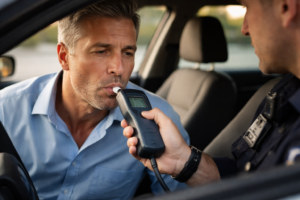
Why a DUI Arrest Can Trigger DMV Action Before the Criminal Case Ends
A DUI arrest triggers more than one process because Nevada treats the right to drive as an administrative privilege as well as a criminal-law issue. If a breath test, blood test, or other approved chemical test shows a prohibited alcohol concentration or drug concentration, the Department of Motor Vehicles may move against the driver’s license, apart from what later happens in court.
This is why people are often surprised to learn that the administrative license suspension can remain a problem even if the related criminal charges are later reduced or dismissed. The DMV states that license reinstatement is not automatic, and regaining a new license requires completing separate reinstatement steps.
Nevada DUI Arrest Context: Stop, Investigation, and Chemical Testing
Most DUI cases in Nevada begin with a traffic stop, officer observations, and a decision about whether there was probable cause to arrest. In plain English, that means the police officer must be able to point to facts suggesting impairment, not just a hunch. Those details later matter in both the criminal case and the DMV record.
From there, the case often turns on the breathalyzer test, blood test, or other chemical test results. Proper preparation, machine reliability, officer procedure, and the wording in police reports can all affect how strong the State’s evidence really is.
A DMV Hearing Can Be Separate, Limited, and Still Very Important
A DMV hearing is not a second criminal trial. Nevada’s Office of Administrative Hearings explains that this process is separate from the criminal case and is limited largely to whether the test results and surrounding facts support the DMV action against the license.
Even with that narrower scope, the hearing still matters. Witnesses testify under oath, drivers may have legal representation, and the hearing officer can consider physical evidence, case law, and whether witnesses should be subpoenaed. That gives the defense a chance to cross-examine witnesses and present evidence in a setting many drivers underestimate.
Temporary License Issues and Why Timing Matters
After requesting review, some drivers may be eligible for a temporary license or stay if they have no other active withdrawal and meet DMV requirements. Nevada’s hearing brochure explains that, in appropriate cases, a temporary credential may remain valid until the written decision is processed.
That makes timing a real strategic issue. Waiting too long to deal with the DMV side can narrow options, while acting early may help preserve driving-related defenses and reduce disruption to work, childcare, and other daily obligations in Las Vegas or elsewhere in Nevada.

What a First-Offense DUI Suspension in Nevada Usually Looks Like
For many first-time cases, the headline consequence is the loss of normal driving privileges for at least 185 days. The Nevada Driver Handbook states that for a first DUI offense, the driver’s license revocation is a minimum of 185 days, and criminal penalties may also apply.
On the criminal side, a first offense can also involve criminal penalties such as jail exposure or community service, fines, DUI school, and possibly treatment if the alcohol concentration is high enough. That is why a first arrest can still carry serious consequences well beyond the DMV notice itself.
Repeat Offenses Increase the Revocation Period and the Stakes
A second DUI offense within seven years raises the revocation period to one year, and the same handbook explains that a third offense within seven years can bring a three-year revocation along with felony exposure. For repeat offenders, the administrative and criminal consequences become much harder to separate in real life.
These are the cases where prior history, treatment compliance, and the accuracy of the testing record matter even more. Multiple offenses can affect plea negotiations, release conditions, insurance, and whether the court or DMV imposes broader consequences tied to risk and public safety.
Ignition Interlock Can Change the Path, But It Does Not Erase the Case
Nevada allows many DUI drivers to seek reinstated driving privileges before the revocation period ends by installing an ignition interlock device on any vehicle they operate. The DMV says a driver may reinstate before the end of the DUI revocation by presenting proof of installation and meeting the remaining reinstatement requirements.
That option can be critical for work and family stability, but it is not the same as winning the case. An interlock-based return to driving still comes with fees, documentation, testing requirements, and a restricted credential, so it should be treated as a procedural option rather than a clean reset.
Reinstatement Is a Process, Not an Automatic Result
Many people assume the license suspended status will simply disappear once the dates pass. Nevada says that is not how reinstatement works. The DMV explains that reinstatement is not automatic and that the privilege remains withdrawn until the driver satisfies the required steps and receives a license again.
Those steps can include fees, financial responsibility through SR-22 insurance, written and vision testing, and sometimes additional requirements depending on the case. The DMV also notes that it does not notify drivers when the period ends, which means drivers often need to be proactive if they want a timely license reinstatement.
The Criminal Court Case Can Still Affect Exposure and Stress
A DUI case is not only about the DMV license suspension. The court side can involve booking, release conditions, future court dates, negotiations, and the possibility of a DUI conviction that creates a longer record impact for employment, housing, professional licensing, and reputation.
For some drivers, the practical stress is immediate. Missing work because of court, losing normal transportation, and dealing with an insurance company after a DUI can create pressure that affects decisions long before any outcome is reached.

Bail, Release Conditions, and Daily-Life Consequences After Arrest
In many misdemeanor DUI cases, a person may be cited and released or booked and later released, but the effect on daily life can still be significant. Court conditions, transportation limits, and the risk of driving on a revoked Nevada driver’s license can quickly turn a manageable situation into a larger legal problem.
Nevada’s hearing brochure warns that driving on a revoked license can lead to arrest, additional jail exposure, fines, and an additional year of revocation. That is one reason the safest next steps usually start with understanding the status first rather than assuming you are clear to drive.
What Evidence Often Matters Most in DUI Suspension Cases
The strongest DMV or court challenge usually begins with the evidence, not with assumptions. The most important pieces often include the initial reason for the stop, body-cam or dash-cam footage, officer observations, field investigation details, police reports, and the actual chemical test results.
In some DUI cases, the real fight is about procedure rather than alcohol level alone. Calibration records, collection timing, officer training, and whether the defense can expose inconsistencies may influence how much weight a judge or hearing officer gives the testing evidence.
DUI Defense Strategy Starts With Protecting Both the License and the Case
A strong DUI defense usually begins with protecting the record before too many statements are made. The right to remain silent and the right to counsel matter because comments made after a stop can affect both the criminal case and the administrative hearing.
From there, strategy often turns on timing, test reliability, body-cam or other recordings, and whether the officer had a lawful basis for the stop and arrest. In plain English, issues like probable cause, reasonable suspicion, and the accuracy of police reports can change the direction of many DUI charges.
Experienced Legal Representation Can Help With Both Tracks
Because the DMV and court processes move on parallel tracks, many drivers need help understanding which deadlines and choices affect which part of the case. Experienced legal representation can help assist clients in reviewing the suspension, the evidence, and whether an early hearing request or interlock plan makes sense.
That does not mean any lawyer can promise a favorable outcome. It means an experienced attorney can help identify weak points, prepare the driver for what comes next, and reduce avoidable mistakes that make a Nevada DUI case harder to defend.

FAQ
Is a DUI license suspension in Nevada separate from the criminal case?
Yes, the Nevada DMV states that a DUI-based license suspension or revocation is separate from the court case. That means the administrative action can continue even if the criminal matter is still pending, reduced, or dismissed.
How long can a first DUI license revocation last in Nevada?
For a first offense, Nevada’s Driver Handbook says the driver’s license revocation is a minimum of 185 days. The handbook also explains that criminal penalties may be imposed in addition to the DMV action.
Can I drive again before the revocation period ends?
In some cases, yes. The DMV says drivers revoked for DUI may be able to reinstate before the period ends by installing an ignition interlock device and meeting the other reinstatement requirements, such as proof of compliance, fees, and possibly SR-22 insurance.
What happens at a Nevada DMV hearing?
A DMV hearing is an administrative proceeding where witnesses may testify under oath, evidence may be reviewed, and the hearing officer decides whether the revocation should stand. The hearing is separate from criminal court, and drivers may appear with or without an attorney.
Does license reinstatement happen automatically after a DUI suspension ends?
No, Nevada says license reinstatement is not automatic. A person must satisfy the DMV requirements and physically obtain a valid license again before normal driving privileges are restored.

Conclusion
A DUI license suspension in Nevada can quickly become larger than a transportation problem. It can affect your driver’s license, your work schedule, your family responsibilities, your insurance situation, and the direction of your criminal case long before there is an outcome in court. Because the Nevada DMV process and the criminal process move on separate tracks, even a single DUI arrest can create overlapping pressure that feels difficult to manage without clear guidance. What may look like a simple license suspension issue can also involve evidence challenges, hearing strategy, reinstatement requirements, and decisions that shape the rest of the case.
That is why early action matters. The right response is not panic, and it is not guessing. It is taking the time to understand your driving privileges, the possible administrative penalties, the role of a DMV hearing, and what evidence may affect both the DUI defense and the path toward license reinstatement. In many cases, getting informed early can help a person avoid preventable mistakes, protect the record, and make more confident decisions about the next steps.
If you are dealing with a DUI in Nevada, allowing yourself to get clear information early can make a meaningful difference. The Defense Firm can help people in Las Vegas, Clark County, and surrounding Nevada communities better understand the suspension process, their rights, and the legal options available to them. This is general information, not legal advice, and outcomes depend on the specific facts, evidence, and procedural history of each case.