 English
 Spanish
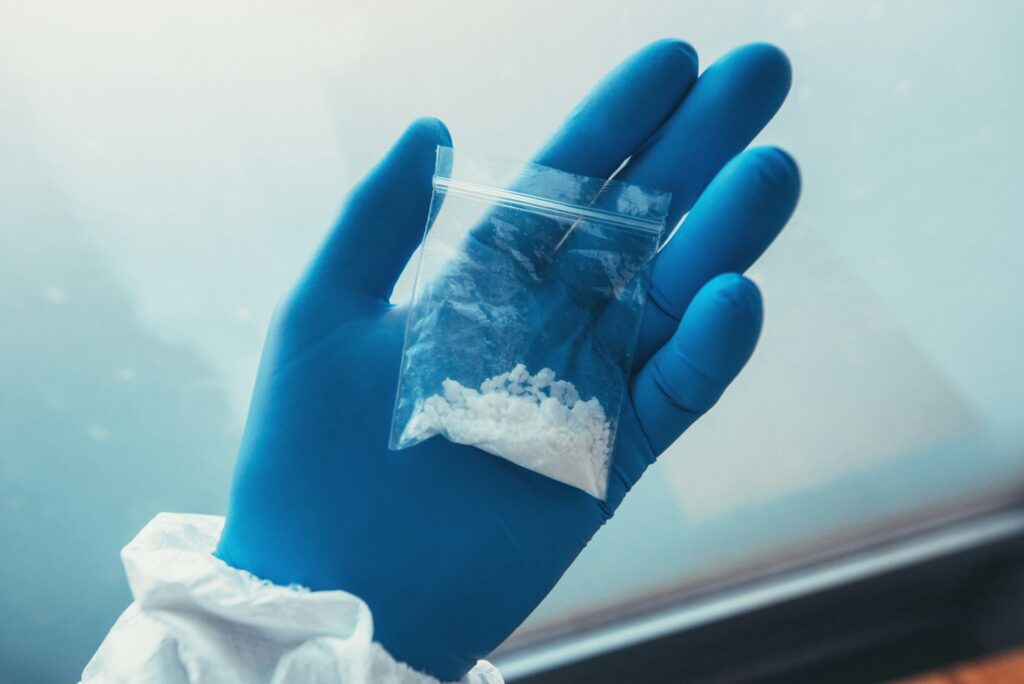
Imagine you’re cleaning out your car and stumble upon an old baggie, long forgotten. There’s no actual substance inside, just some residue of a controlled substance. Could you still get in trouble for it? The mere presence of drug residue or paraphernalia in your possession can indeed lead to legal consequences. Understanding the implications of drug residue and paraphernalia charges is crucial for anyone looking to stay on the right side of the law.
“It’s not just the quantity, but the presence itself that can get you into trouble.”
This article breaks down whether residue and paraphernalia can lead to charges, what legal definitions are involved, and how these cases typically unfold in court. By the end, you’ll not only know the risks but also what to do if you’re ever in such a situation.
Defining Drug Residue and Possession Charges

Drug residue refers to trace amounts of illegal substances that remain in drug paraphernalia or on other surfaces. Even the smallest traces found on items like spoons, needles, or pipes can carry significant legal implications. The Nevada Revised Statutes (NRS) allow for charges based on the possession of controlled substances, even in residue form.
Case Precedent: In State v. Ramos, the Nevada courts held that even minimal amounts of a controlled substance could justify a possession charge if the state could prove the defendant knew of its presence and had control over it. This underscores the serious nature of residue-based charges.
Authorities may use sophisticated techniques such as chemical analyses to detect drug residues, which can then become pivotal evidence in prosecutions. Even if you think a speck is too tiny to matter, the law might disagree. The strict stance on residue aims to curb drug misuse and reinforce community safety, but it also places a significant burden on individuals to remain vigilant.
How Drug Residue Leads to Charges
You might be surprised to learn that even minute amounts of drug residue can result in serious charges. The law in Nevada does not differentiate between the amount of the substance present and the implication of possession.
Key Points to Consider:
- Presence of Drug Residue: Residue alone can serve as sufficient grounds for possession charges under Nevada law.
- Drug Paraphernalia: Items like pipes, syringes, or even baggies with drug residue can lead to possession charges.
- Intent and Knowledge: The prosecution must prove you knowingly possessed the residue. For example, if drug paraphernalia is found in a vehicle you own or control, you could be charged even if you did not place it there.
Example: Imagine you are pulled over in Las Vegas for a traffic violation, and the officer finds a pipe with cocaine residue in your glove compartment. Even if you haven’t used it recently, that residue can lead to a possession charge, as seen in the ruling from State v. Johnson, where minimal drug presence on paraphernalia was used to uphold a conviction.
Residue vs. Usable Amounts
The distinction between drug residue and a usable amount of drugs can be nuanced. In some jurisdictions, residue might not meet the threshold for prosecution, but Nevada courts have been known to prosecute cases based solely on residue. The aim is to prevent drug-related activity by addressing all potential violations.
Legal Insight: In the landmark case Staples v. United States, the Supreme Court emphasized the importance of mens rea—the guilty mind—in criminal possession cases. While this principle applies broadly, Nevada courts often lean towards strict interpretations in drug residue cases, requiring defendants to demonstrate a lack of intent or knowledge.
Defending Against Residue-Based Charges
When facing charges related to drug residue, understanding your defenses is crucial. Here are some common strategies:
Challenging the Validity of the Evidence
Evidence obtained through unlawful search and seizure can be challenged. Under the Fourth Amendment, if law enforcement failed to adhere to proper protocol, the evidence might be excluded.
Case Example: In Mapp v. Ohio, the Supreme Court ruled that evidence obtained unlawfully cannot be used in court. If residue was discovered in a manner that violated your constitutional rights, this precedent could be pivotal to your defense.
Demonstrating Lack of Knowledge
If you can show you were unaware of the residue’s presence, this can form a strong defense. For example, if you borrowed someone’s car and residue was discovered, proving you didn’t know about it could result in a dismissal or reduction of charges.
Expert Tip: Witness testimonies, vehicle loan agreements, or statements from the owner can bolster your defense by showing the lack of intent.
Drug Paraphernalia: Common Examples

Knowing what constitutes drug paraphernalia can help you avoid unintentional possession:
- Pipes and Bongs: Used for smoking substances like marijuana or methamphetamine.
- Syringes: Associated with intravenous drug use.
- Scales and Baggies: Commonly used for distribution.
- Grinders and Rolling Papers: Used for preparing substances for consumption.
These items, even without visible drugs, can lead to charges if they contain residue.
Proactive Steps to Avoid Charges
Taking preventative measures can reduce your risk of facing residue-based charges:
- Regular Cleaning: Ensure your personal spaces, like your car and home, are free from any potential drug residue.
- Associations: Be mindful of who you associate with, as you could be implicated if drug paraphernalia is found in shared spaces.
- Know Your Rights: Familiarize yourself with Nevada’s laws and your rights regarding searches and possession.
Conclusion
Facing charges for drug residue can be daunting, but understanding the legal landscape and potential defenses can make a significant difference. The key is knowing how possession laws work and recognizing that even trace amounts can lead to charges. If you find yourself in such a situation, securing experienced legal counsel is essential.
The Defense Firm specializes in defending complex drug possession cases, including those involving residue. Call us today for a free consultation to discuss your rights and build a strong defense tailored to your situation. Your future is worth defending.