 English
 Spanish
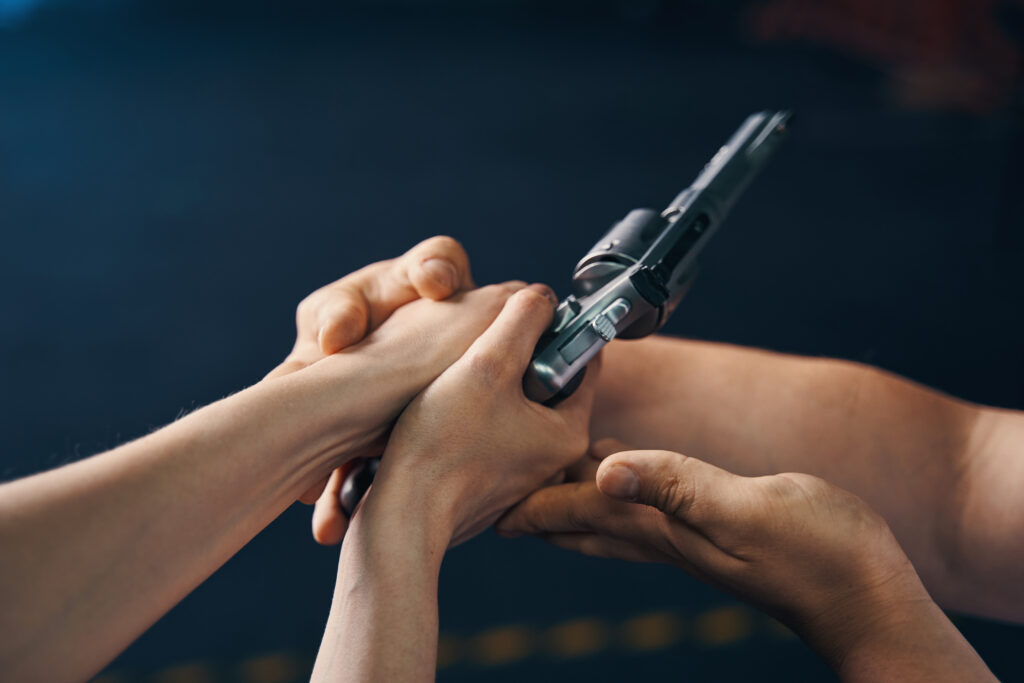
Stand your ground laws are often associated with states like Florida, but their broader impact on self defense claims reaches far beyond a single jurisdiction. Traditionally, the castle doctrine removes the duty to retreat when defending oneself inside one’s home, while Stand Your Ground laws extend this principle beyond the home to any place a person has a legal right to be.
These laws generally remove the duty to retreat before using deadly force, allowing a person to stand firm when facing a perceived threat. In contrast, Nevada applies a more nuanced approach rooted in traditional self-defense laws, where the justification for force depends heavily on the specific circumstances and the reasonableness of the defendant’s actions.
The proliferation of Stand Your Ground laws began in the United States in the early 2000s, with Utah being the first state to pass such legislation in 1994, followed by Florida in 2005, which became a model for other states. As of January 1, 2020, 34 states had enacted Stand Your Ground laws or expanded the castle doctrine to apply beyond the home, reflecting the extent of these legal reforms across the country.
In Nevada assault cases, the absence of a strict stand your ground statute does not eliminate the ability to claim self-defense. Instead, courts focus on whether the individual reasonably believed they were in danger of harm and whether the level of force used was proportionate. This creates a critical distinction in how criminal charges are evaluated, especially in cases involving aggravated assault vs. battery or allegations of violent crime.
How Self-Defense Claims Develop in Nevada Assault Charges
A self-defense claim in Nevada begins with an analysis of the immediate situation leading to the alleged assault case. For example, if a person is confronted by an aggressor and reasonably believes they are in imminent danger of bodily harm, their claim of self-defense will be evaluated based on whether their response was necessary and proportional to the threat. Law enforcement and prosecutors will examine whether the defendant faced an actual or perceived threat, and whether that threat justified a defensive response. This includes evaluating evidence, such as testimony from witnesses, and physical indicators like injuries or property damage.
The legal process then shifts to whether the defendant’s actions were legally justified. Nevada law does not require a person to retreat in every situation, but it does emphasize proportionality. If the level of force used exceeds what is considered necessary to prevent harm, the claim of self-defense can weaken significantly. This is especially relevant in cases involving firearm use or other forms of potentially deadly force, where the stakes are considerably higher.
Self-defense is legally defined as the use of reasonable force to prevent an imminent threat of violence, requiring that the individual believes they are in immediate danger and that the force used is necessary to prevent harm. A successful self-defense claim hinges on several key elements, including the necessity of an imminent threat and the proportionality of the response to that threat.
Legal Exposure and the Risk of Criminal Charges
Even when a person believes they acted to protect themselves, the risk of facing criminal charges remains substantial. In Nevada, prosecutors may pursue charges such as battery, assault, or aggravated assault if they believe the defendant’s actions were excessive or unjustified. The distinction between a lawful act of self-defense and a prosecutable offense often depends on how the situation is interpreted after the fact. In court, the defendant’s actions are defended by asserting that they reasonably believed they or others were in imminent danger, and legal standards for self-defense can vary based on the circumstances and jurisdiction, especially when considering what happens if a victim wants to drop charges. In some jurisdictions with Stand Your Ground laws, the burden of proof can shift to the prosecution to prove that the use of force was not justified, further complicating the legal landscape for self-defense claims.
This creates a challenging environment for defendants, particularly when the incident involves conflicting accounts or limited evidence. The prosecution may argue that the defendant escalated the conflict or failed to de-escalate when possible. These arguments can significantly influence the outcome of the case, especially during plea negotiations or trial proceedings.
Deadly Force and the Boundaries of Justifiable Defense
The use of deadly force represents one of the most critical aspects of any self-defense claim. Nevada law allows such force only when a person reasonably believes it is necessary to prevent serious bodily harm or death. This standard requires more than a generalized fear; it demands a clear and immediate perception of danger, often demonstrated by the defendant’s physical presence and situational awareness in the moment, supported by the surrounding circumstances. Courts must often give more weight to the defendant’s subjective perception of danger, provided it is deemed ‘reasonable’ under the circumstances. Additionally, many jurisdictions now use a ‘presumption of fear’ standard, where the use of force is presumed reasonable if the individual believed it necessary to prevent serious harm. These laws make it easier for defendants to avoid criminal liability if they can show a ‘reasonable belief’ of an imminent threat.
In assault cases, the introduction of deadly force often transforms the legal landscape. What may have started as a confrontation can quickly escalate into allegations of attempted murder or other severe offenses, particularly when the incident involves brandishing a firearm. The burden then shifts to demonstrating that the defendant’s actions were justified under the law, a process that requires careful analysis of both physical and testimonial proof.

The Role of Evidence in Self-Defense Claims
Evidence plays a decisive role in shaping the success of a self-defense claim. This includes physical evidence such as injuries, weapons, and surveillance footage, as well as testimonial evidence from witnesses and responding police officers. Note that surveillance footage can be particularly crucial in corroborating or disputing the defendant’s version of events. In many cases, digital evidence such as text messages or video recordings can also influence how events are interpreted.
It is also important to note that in some jurisdictions, Stand-Your-Ground laws can grant absolute immunity from both criminal prosecution and civil lawsuits, which frequently arises in domestic violence and domestic battery cases. Special immunity hearings may be held, and if the judge finds the evidence supports self-defense, charges can be dismissed before a trial even begins.
The credibility of the defendant’s account is often measured against this evidence. Any inconsistencies or gaps can be used by the prosecution to challenge the claim of justification. Conversely, strong and consistent evidence can reinforce the argument that the defendant acted out of necessity to prevent harm.
Strategic Defense Considerations in Assault Cases
Building a strong defense in an assault case requires a strategic approach that goes beyond simply asserting self-defense. Defense attorneys must analyze the timeline of events, identify potential weaknesses in the prosecution’s case, and present a coherent narrative that aligns with the available evidence.
This process often involves examining whether the defendant had a reasonable belief of danger and whether alternative actions were available. Many of these strategic issues are discussed in our broader Nevada criminal defense blog. Under Stand Your Ground laws, defendants are not required to prove they had no safe way to escape before using force. Critics argue that these laws may encourage people to use force rather than seek safer alternatives, potentially escalating situations that could have been resolved without violence. In some cases, the defense may argue that the defendant acted under extreme stress or fear, which influenced their perception of the situation. These factors can play a significant role in determining whether the actions taken were justified under Nevada law.
Consequences Beyond the Immediate Charges
The impact of an assault charge extends beyond the possibility of jail time or fines. A conviction can lead to long-term consequences, including a permanent criminal record, difficulty securing employment, and restrictions on housing opportunities, especially when it stems from felony battery charges. In cases involving gun violence or the use of a firearm, additional legal consequences may apply, including situations where a person can be charged based on possession of a gun they do not legally own. Stand Your Ground laws can have devastating effects on victims, often resulting in the loss of life or increasing the risk that someone may be killed during violent encounters. These laws have been associated with significant increases in violent crime, including a 24% to 45% rise in firearm and total homicide rates in Florida after their implementation. A 2017 study found that Stand Your Ground laws led to more homicides and hospitalizations from firearm-inflicted injuries, estimating that at least 30 people died each month as a result. However, the impact of these laws on nonfatal aggravated assault remains mixed, with some studies showing small increases and others finding statistically insignificant changes.
For individuals facing these charges, understanding the broader implications is essential. The outcome of the case can affect not only immediate freedom but also future opportunities and personal stability. This underscores the importance of addressing the situation with a clear and informed legal strategy from the outset, including exploring whether there are grounds to get criminal charges dropped before the court date.
Nevada’s Approach Compared to Stand Your Ground States
While Nevada does not formally adopt stand your ground legislation in the same way as Florida, its legal framework still allows for strong self defense claims under the right conditions. Florida’s Stand Your Ground law, for example, has been associated with a 45% increase in monthly firearm homicide rates and around a 23% increase among Black residents, raising concerns about gun violence and public safety. The key difference lies in how courts evaluate the necessity and proportionality of the defendant’s actions.
Conservative politicians have played a significant role in promoting and expanding Stand Your Ground laws across the U.S., often lowering the standards for self-defense and legal immunity despite evidence of increased violence and racial disparities. In 2021, both Ohio and Arkansas became the latest states to pass such laws, reflecting a continued trend.
In states with explicit stand your ground laws, the emphasis is often on the absence of a duty to retreat. These laws have been shown to disproportionately impact racial minorities, with homicides in which white shooters kill Black victims deemed justifiable five times more frequently than when the situation is reversed. A study found that when both the shooter and victim are white, 11% of these cases are deemed justifiable, while this percentage drops to 8% when both parties are Black. The likelihood of a homicide being ruled justified is 281% greater when the defendant is white and the victim is Black compared to cases where both are white, highlighting significant racial inequities. Black defendants are also less likely to successfully invoke Stand Your Ground laws for their defense after a shooting than white defendants, further emphasizing disparities in legal outcomes. In Nevada, the focus shifts to whether the defendant’s response was reasonable given the danger they faced. This distinction can significantly influence how cases are argued and how juries interpret the evidence presented during trial.
What Happens After an Arrest in an Assault Case
Following an arrest, the legal process moves quickly. The defendant may be taken into custody, booked, and brought before a judge for an initial hearing, which in DUI cases is often accompanied by a separate Nevada DMV hearing to protect driving privileges. At this stage, decisions regarding bail and release conditions are made, which can directly impact the defendant’s ability to prepare their defense.
As the case progresses, both sides gather evidence and prepare for a potential trial. The defense may file motions to suppress certain evidence or challenge the legality of the arrest itself. These procedural steps are critical in shaping the direction of the case and can influence whether charges are reduced, dismissed, or proceed to trial.

FAQ
Can self-defense be used as a legal defense in Nevada assault cases?
Yes, self-defense can be used if the defendant reasonably believed they were in immediate danger and used an appropriate level of force. The court will evaluate the circumstances and the proportionality of the response.
Does Nevada have a stand your ground law?
Nevada does not have a traditional stand your ground statute like Florida. However, the law does not always require retreat, and self-defense claims are evaluated based on reasonableness.
What qualifies as deadly force in a self-defense case?
Deadly force refers to actions that can cause serious bodily harm or death. Its use is only justified when necessary to prevent similar harm to oneself.
Can a self-defense claim eliminate criminal charges?
A successful self-defense claim can lead to charges being reduced or dismissed, but it depends on the strength of the evidence and how the situation is interpreted legally.
When should I contact a criminal defense lawyer after an assault arrest?
It is best to contact a lawyer as soon as possible after an arrest. Early legal guidance can help protect your rights and influence how the case develops.
Conclusion
Self-defense claims in Nevada assault cases involve a careful balance between individual rights and legal accountability. While stand your ground concepts provide a useful framework for understanding how self-defense laws operate, Nevada’s approach ultimately depends on the reasonableness of the defendant’s actions and the evidence supporting their claim.
Facing criminal charges for an alleged assault can be overwhelming, especially when the situation involves complex questions of force, intent, and justification. Early legal guidance can make a meaningful difference in how these cases are handled and how outcomes are shaped.
If you are dealing with an assault charge in Las Vegas or anywhere in Nevada, taking the time to understand your rights and options is a critical first step. Speaking with a qualified criminal defense attorney can help you navigate the legal process and make informed decisions about your next steps.