 English
 Spanish
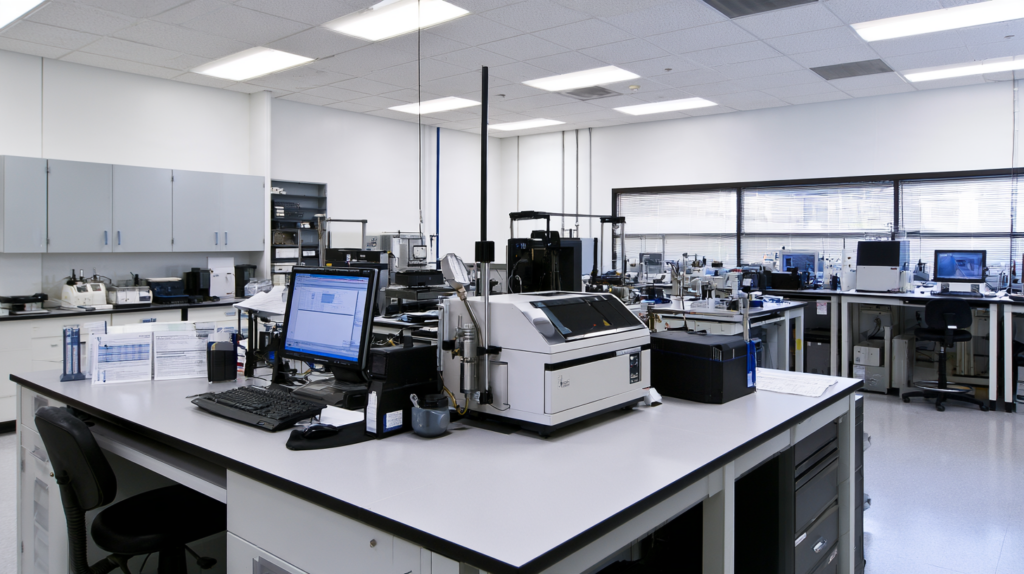
A breath test result in a Las Vegas DUI case can look like a fixed fact, but that number comes from a machine that Nevada regulations require to be calibrated, checked, and documented.
Those records can show whether the device was properly maintained, whether the required verification was performed before the test, and whether the person operating the machine was properly certified. That makes the paperwork behind the breath test an important part of the defense analysis, not just the number printed on the final report.
Nevada uses different calibration schedules for different breath test devices
One of the most important distinctions is the type of breath-testing device used.
An evidential breath-testing device, typically the machine used to produce a result intended for use in court, follows one calibration schedule.
Nevada regulations require that type of device to be calibrated by a certified forensic analyst at least once within the 90 days immediately before it is used to test a person’s breath.
The calibration must also verify the device at multiple alcohol concentration levels across its working range.
A preliminary breath-testing device, such as a handheld roadside unit, follows a different schedule.
The published regulations generally require calibration at least once a year, along with a separate monthly accuracy check using a certified alcohol standard.
That means the commonly repeated 90-day rule does not apply to every breathalyzer.
The first question is always which device produced the reading in the case.
The machine should also be checked immediately before the evidential test
The periodic calibration is only one part of the process.
Nevada regulations also require the certified operator to verify the calibration of an evidential breath-testing device immediately before administering the test.
That verification uses a certified solution or gas containing a known alcohol concentration.
The operator must also follow the approved Checklist for Operators of Breath-Testing Devices for the particular machine.
That means there are at least two separate calibration-related events behind an evidential breath result.
One is the periodic calibration performed by the forensic analyst.
The other is the verification performed by the operator immediately before the defendant’s test.
A machine can have a proper periodic calibration history while still presenting a question about what happened on the night of the arrest.
The agency’s chronological record is one of the most important documents
Nevada regulations require law-enforcement agencies using evidential breath-testing devices to maintain a chronological record for each machine.
That record can contain several categories of information.
For individual breath tests, it should identify the person tested, the date and time of the test, the operator, the calibration-verification result, and the breath-test result.
For calibrations, it should identify when the calibration occurred, who performed it, and the response and accuracy of the device during testing.
For maintenance and repairs, the record should document the date, time, person performing the work, and the nature of the repair.
This makes the agency log one of the first records worth requesting when a breath test is important to the prosecution’s case.
The forensic analyst keeps a separate record
The law-enforcement agency’s log is not necessarily the only calibration record.
The forensic analyst who calibrates or repairs the device must also maintain a chronological record for each machine they work on.
That record can include the date and time of the calibration, the analyst’s identity, the machine’s response and accuracy, and information about repairs.
This creates a separate source of documentation.
The agency may have one set of records while the analyst maintains another.
Comparing the two can help determine whether the machine’s history is complete and internally consistent.
The operator’s certification and checklist should also be reviewed
The person who administered the evidential breath test must be properly certified to operate that type of device.
The operator should also complete the required checklist during the test.
These documents answer different questions from the calibration log.
The machine’s history addresses whether the device was maintained and calibrated.
The operator’s certification addresses whether the person administering the test was authorized to operate that machine.
The checklist addresses whether the required procedure was actually followed during the defendant’s test.
A complete machine log therefore does not automatically answer every procedural question.
A gap in the records does not automatically dismiss the case
A missing calibration entry, incomplete maintenance history, or absent checklist can be important, but it does not automatically mean the DUI charge will be dismissed.
Nevada’s suppression rules do not create a standalone rule saying that a missing breathalyzer record automatically excludes the result.
A record gap can instead become relevant to the reliability and weight of the breath-test evidence.
The defense may use inconsistencies or missing documentation during cross-examination or when challenging whether the prosecution has established an adequate foundation for the test result.
The difference matters.
A result from a device with a complete, documented history is not necessarily the same evidentiary situation as a result from a machine whose required records contain unexplained gaps.
Why breathalyzer records should be requested early
Timing matters because the defense generally cannot evaluate the machine’s history until the relevant records are produced.
Nevada criminal cases also have deadlines for pretrial motions.
In Clark County, certain written pretrial motions generally must be filed sufficiently in advance of trial, and suppression issues can involve additional procedural requirements.
If a problem with the machine or operator is discovered only after the records arrive, the defense needs enough time to determine what legal significance the problem has and whether any motion should be filed.
That is why the practical sequence is to request the records early rather than waiting until shortly before trial.
Breathalyzer records are only one part of a DUI defense
A calibration challenge is not the entire DUI case.
The legality of the traffic stop is a separate issue.
Whether the officer had sufficient grounds to investigate or arrest the driver is another.
The way field sobriety tests were administered can matter.
The operation of the breath-testing device itself can create additional questions.
A DUI case can also proceed even when breath evidence is unavailable or challenged.
For that reason, calibration records should be reviewed as part of the broader evidence rather than treated as the only possible defense.
Refusing a breath test creates a different legal issue
If the driver refuses chemical testing, the analysis changes.
A refusal can create separate consequences involving the driver’s license and the criminal case.
In that situation, machine-calibration records may be less central because the prosecution may be relying on different evidence or a later chemical test obtained through another procedure.
The defense strategy therefore depends on whether a preliminary roadside test, evidential breath test, blood test, refusal, or combination of those events occurred.
A lapsed operator certification raises a different issue from a machine problem
The operator’s certification deserves separate attention because it concerns the person administering the test rather than the device.
If the operator’s certification had expired or did not cover the specific type of machine used, the issue is procedural.
A missing operator checklist creates another distinct question.
The certification addresses whether the person was authorized to operate the machine.
The checklist addresses whether the required testing steps were followed and documented.
Neither issue is answered solely by looking at calibration records.
That is why a complete discovery request should distinguish between machine records and operator records.
What records should a defense lawyer request?
A request should be specific enough to avoid receiving only part of the relevant documentation.
Depending on the facts of the case, the defense may want to review:
- The agency’s chronological record for the breath-testing device.
- The forensic analyst’s calibration and repair records.
- The operator’s current certification for that device type.
- The completed operator checklist from the defendant’s test.
- Records of maintenance or repairs around the relevant date.
- The calibration-verification results from immediately before the test.
- Documentation identifying the exact machine used.
Those records can help establish whether the device and operator complied with the requirements applicable to the test.
Frequently Asked Questions
How often does a Nevada breathalyzer have to be calibrated?
It depends on the type of device. An evidential breath-testing device generally must be calibrated within the 90 days immediately before use, while a preliminary roadside breath-testing device follows a different schedule that includes annual calibration and monthly accuracy checks. Identifying which device produced the reading is the first step before applying any calibration interval.
Can I request breathalyzer calibration records myself?
These records exist because Nevada regulations require agencies and analysts to maintain them, but in an active criminal case they are typically obtained through the discovery process. The practical step for a defendant is to raise the issue with defense counsel early so the appropriate records can be requested and reviewed before important pretrial deadlines.
Does a missing calibration record mean my DUI case will be dismissed?
Not automatically. A gap or irregularity in the records can create questions about the reliability or foundation of the breath-test result, but it is not itself a guaranteed basis for dismissal. The defense can use the missing documentation to examine the machine’s reliability, challenge the prosecution’s evidence, and determine whether another evidentiary argument applies.
Conclusion
A breath-test number should not be evaluated in isolation. Behind that result is a machine with a required calibration schedule, a pre-test verification, maintenance records, an operator certification, and a checklist documenting how the test was performed.
Those records can help determine whether the breath evidence in a Nevada DUI case is as reliable as the prosecution claims.
If a breath test is part of the evidence against you or someone in your family, contact The Defense Firm for a free confidential consultation. A Las Vegas DUI lawyer can request the relevant calibration, maintenance, analyst, and operator records and determine whether the breath-test evidence creates a defense issue worth challenging.