 English
 Spanish
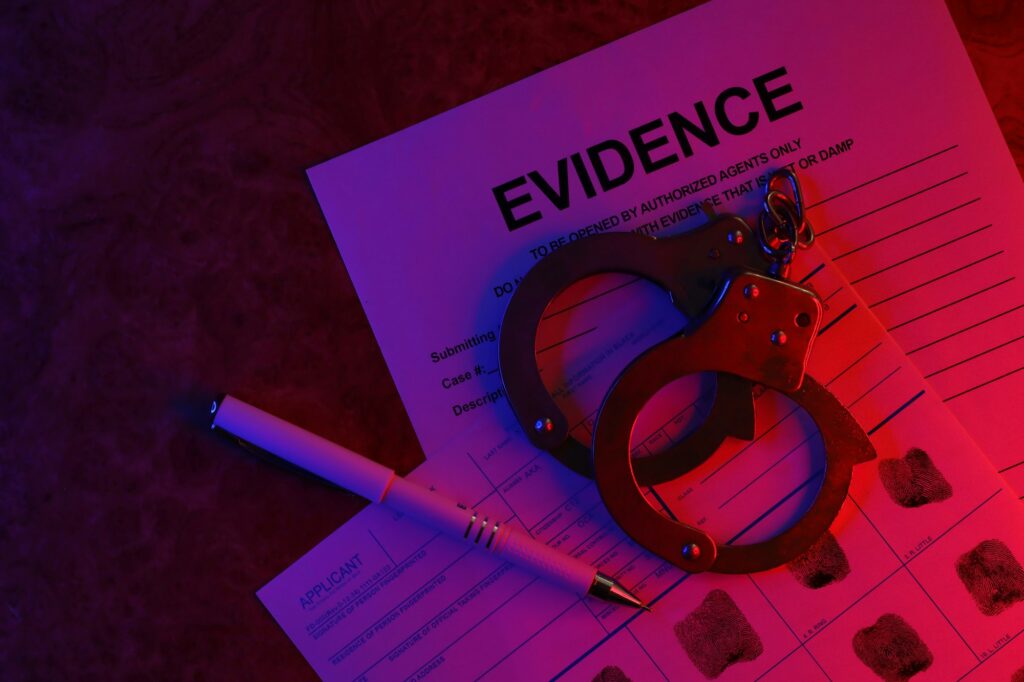
When prosecuting murder cases in Nevada, the strength and type of evidence can be the difference between conviction and acquittal. Evidence comes in various forms, each playing a crucial role in shaping the strategies of both the prosecution and the defense. Understanding how these pieces of evidence influence murder cases in Nevada’s courts can provide valuable insight into the complexities of the legal system.
Types of Crucial Evidence in Murder Cases
Eyewitness Testimonies
Eyewitness testimonies can be impactful in murder trials, offering firsthand accounts of events. However, they are not without limitations. Factors such as lighting, distance, and stress can affect a witness’s ability to recall details accurately. Courts in Nevada consider these variables when weighing the credibility of such testimonies. For instance, in Manson v. Brathwaite (1977), the U.S. Supreme Court emphasized that reliability is the key criterion for the admissibility of eyewitness identification.
Forensic Evidence
Forensic evidence often holds significant weight in Nevada murder cases. DNA analysis, fingerprint identification, and ballistics reports can provide objective support for the prosecution or defense. DNA evidence, known for its accuracy, must comply with standards set forth in Nevada Revised Statutes (NRS) 176.0913, ensuring proper handling and admissibility. Mishandled evidence or contamination can lead to challenges from the defense, potentially weakening the prosecution’s case.
Ballistics is another critical element, helping connect weapons to crime scenes. For example, matching shell casings to a firearm can corroborate witness statements or suspect confessions. These detailed analyses must meet strict guidelines to maintain their validity in court.
Electronic Evidence
Digital footprints, such as text messages, emails, and surveillance footage, have become indispensable in modern murder investigations. In Nevada, evidence from electronic sources must adhere to NRS 52.260, which addresses the authentication of electronic records. Surveillance footage can place a suspect at the crime scene, while cell tower data can create a timeline of their movements. In the 2018 Nevada case of State v. Johnson, cell phone records played a pivotal role in establishing the suspect’s location and supporting the prosecution’s narrative.
Circumstantial Evidence
While direct evidence directly links a suspect to a crime, circumstantial evidence implies involvement. This type of evidence can be powerful when combined with other forms, but it must be compelling enough to convince a jury beyond a reasonable doubt. The Nevada Supreme Court’s ruling in Boren v. State (2014) reinforced that circumstantial evidence, when corroborated, can be as persuasive as direct evidence.
How Forensic Evidence Influences Trials

The role of forensic evidence is significant in ensuring justice in murder cases. Properly presented forensic evidence can solidify the prosecution’s case or provide the defense with grounds for reasonable doubt. For example, when DNA or fingerprint evidence places the accused at the crime scene, it can be difficult for the defense to refute. However, the defense may challenge the chain of custody or the methods used to collect and analyze the evidence.
Forensic evidence must meet the standards for admissibility under NRS 48.025, ensuring it is both relevant and reliable. Courts are vigilant about how forensic reports are presented, often relying on expert testimony to explain the findings and their implications.
The Role of Eyewitness Testimonies in Prosecution
Eyewitness testimony can captivate jurors, but its reliability can vary. In high-stress situations, a witness’s memory might be compromised. The Nevada Supreme Court’s ruling in State v. Thompson (2020) highlighted the importance of corroborating eyewitness accounts with additional evidence. During cross-examination, defense attorneys often scrutinize discrepancies in testimonies to challenge their accuracy.
Technological Advances in Homicide Investigations
The use of advanced technology has revolutionized homicide investigations in Nevada. Tools like facial recognition, enhanced video analytics, and digital forensic software have provided prosecutors and defense teams with robust tools for case-building. For example, GPS data and cell phone triangulation can create detailed timelines of suspect movements. In State v. Miller (2019), cell phone records and GPS data were integral in corroborating witness testimonies and securing a conviction.
While technological evidence bolsters cases, it also presents challenges. Ensuring the integrity and proper handling of digital data is vital. Evidence must be authenticated according to NRS 52.260 to be admissible in court, and any lapse in protocol can be leveraged by the defense to dispute its credibility.
Evidence and Plea Bargains
The strength of evidence often influences plea negotiations. When prosecutors possess compelling evidence such as DNA matches or clear surveillance footage, they have greater leverage to push for stricter terms. Conversely, weaker or purely circumstantial evidence can prompt more favorable plea deals for the defense.
Defense attorneys skilled in analyzing evidence may seek to highlight weaknesses in the prosecution’s case during pre-trial negotiations. This strategy was notably effective in State v. Hernandez (2021), where inconsistencies in forensic evidence led to a reduced charge in exchange for a guilty plea.
Defense Strategies for Challenging Homicide Evidence

Defense attorneys use several methods to challenge the prosecution’s evidence. Pre-trial motions to suppress evidence collected unlawfully, such as violations of NRS 179.085 (unlawful search and seizure), are common. Cross-examining expert witnesses to question the accuracy of forensic tests or the validity of eyewitness statements is another vital strategy.
Additionally, defense teams may present alternative theories or evidence that points to another suspect, creating reasonable doubt. This approach emphasizes the importance of examining every piece of evidence meticulously.
Conclusion
Evidence plays a decisive role in Nevada murder prosecutions, influencing everything from plea deals to trial outcomes. Forensic analysis, eyewitness testimonies, and technological data all contribute to building or challenging a case. While each type of evidence has its strengths, they must be presented within the framework of Nevada’s legal standards to hold weight in court.
If you or a loved one are navigating a complex case, don’t face it alone. Contact The Defense Firm today for a comprehensive consultation and ensure your rights are protected through every stage of the legal process.