 English
 Spanish
Uncovering the impact of undercover operations on drug crimes begins with understanding how deeply these tactics are embedded in modern law enforcement. In Las Vegas and throughout Clark County, undercover officers and undercover agents are routinely used to investigate criminal organizations, especially in cases involving drug trafficking and large-scale illegal activity. These operations allow law enforcement officers to gain access to environments that would otherwise be closed to traditional investigation methods.
The very nature of undercover work involves deception, but it is still governed by strict legal standards designed to protect individuals from unfair prosecution. While undercover investigations are often effective in exposing serious crime, they also raise important legal questions about whether suspects were encouraged to commit crimes they otherwise would not have committed. This distinction becomes critical when cases reach court, especially when evaluating whether a defendant’s rights were violated.
Undercover Techniques and Sting Operations Drive Modern Drug Investigations
Modern undercover techniques include controlled purchases, surveillance, and participation in sting operations designed to expose ongoing criminal activity. A successful sting operation may involve undercover agents posing as buyers or sellers, building trust with suspects over numerous occasions to gather evidence. These operations are commonly used in cases involving organized crime and networks distributing controlled substances across multiple locations.
In Nevada, conducting undercover operations often involves coordination between local police, regional agencies, and sometimes federal entities such as the FBI. These investigations are designed to collect evidence that can support a strong prosecution, but they must also respect legal limits. If officers go beyond the appropriate use of their authority—such as improperly influencing a person to engage in illegal activity—the integrity of the case may be challenged in court.
The Legal Process Begins with Arrest and Evidence Built Through Undercover Work
Once enough evidence is gathered through undercover activities, authorities may move forward with an arrest. In Las Vegas or North Las Vegas, this often follows a period of surveillance and controlled interaction between undercover officers and the accused. The decision to arrest is typically based on probable cause, meaning there is sufficient reason to believe a crime has occurred.
After arrest, the case enters the formal legal process, including booking, bail considerations, and an initial court appearance. At this stage, statements made during interviews or interactions with investigators can significantly impact the outcome. Exercising the right to remain silent and seeking guidance from a defense attorney early can help protect against self-incrimination and shape how the prosecution builds its case.
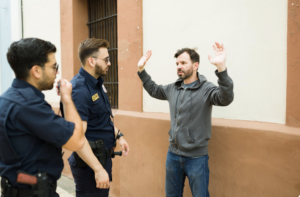
Entrapment Concerns Create Critical Limits on Undercover Investigations
One of the most important legal defenses in these cases is entrapment, which occurs when law enforcement officers improperly encourage suspects to commit crimes they were not otherwise predisposed to commit. Under Nevada principles, the focus is on whether the accused was already willing to engage in the criminal activity, or whether the undercover program pushed them into actions they would not have taken independently.
Courts carefully evaluate whether officers acted within the limits of lawful conduct or crossed into coercion. Defense strategies may highlight patterns of repeated pressure, manipulation, or inducement that go beyond acceptable undercover work. If proven, entrapment can weaken the prosecution’s case and potentially lead to reduced charges or dismissal, depending on the strength of the evidence and how it was obtained.
Evidence Collection in Undercover Drug Cases Shapes Prosecution Outcomes
The success of undercover operations depends heavily on the quality and handling of evidence. This may include recorded conversations, surveillance footage, controlled buys, and testimony from undercover agents or confidential informants. Maintaining the chain of custody and ensuring the integrity of this evidence is critical to its admissibility in court.
Defense attorneys often examine whether the evidence was collected legally and whether any violations occurred during the investigation. For example, if investigators failed to follow proper procedures or exceeded their authority, it may open the door to a suppression motion. These legal challenges can significantly impact the outcome by limiting what the prosecution can present to prove guilt beyond a reasonable doubt.
Criminal Charges and Penalties in Nevada Drug Crime Cases Can Be Severe
Drug-related offenses uncovered through undercover investigations can range from simple possession to large-scale trafficking charges. In Nevada, penalties depend on the type and quantity of drugs, as well as the alleged role of the accused within the operation. More serious cases involving organized crime or repeat offenders may lead to felony charges with substantial prison exposure.
Beyond incarceration, individuals may face long-term consequences such as a criminal record, employment barriers, and reputational harm. The danger of these charges extends beyond the courtroom, affecting housing, financial stability, and personal relationships. Understanding these risks early allows individuals to make informed decisions about their legal options and defense strategy.
Defense Strategies Focus on Challenging Undercover Methods and Protecting Rights
A strong defense in these cases often begins by analyzing the appropriate use of undercover techniques and identifying any overreach by law enforcement officers. If officers acted outside the bounds of legal conduct or failed to avoid entrapment, this may form the basis of a defense. Timing is critical, as early legal action can preserve evidence and identify weaknesses in the case.
Experienced criminal defense attorneys also focus on protecting constitutional rights, including the right to counsel and the right against self-incrimination. By carefully reviewing interviews, surveillance methods, and the conduct of undercover agents, a defense attorney can build a strategy aimed at reducing charges or challenging the prosecution’s narrative. Each case is unique, and outcomes depend heavily on the specific facts and circumstances involved.

FAQ
Can undercover officers legally encourage someone to commit a drug crime?
Undercover officers can provide an opportunity for a person to commit a crime, but they cannot improperly pressure or coerce someone into doing so. If the conduct crosses into entrapment, it may be challenged in court. The key issue is whether the person was already predisposed to commit the offense. This distinction can significantly impact the outcome of a case.
What happens after being arrested in an undercover drug operation?
After an arrest, the individual is typically booked and may face bail conditions before appearing in court. The case then proceeds through arraignment and pretrial stages, where evidence is reviewed. Statements made during the investigation can be used in prosecution. Early legal representation is important to protect your rights.
What kind of evidence is used in undercover drug crime cases?
Evidence often includes recorded conversations, surveillance footage, and testimony from undercover agents or informants. Digital communications and controlled purchases may also be presented. The defense can challenge how this evidence was obtained and whether procedures were followed. Weaknesses in evidence can affect the prosecution’s case.
Conclusion
Uncovering the impact of undercover operations on drug crimes reveals both the effectiveness and the legal complexity of these investigations. While undercover activities play a key role in identifying criminal organizations and addressing illegal activity, they are not without limits. The law requires that these operations be conducted fairly and without improper influence on suspects.
If you are facing charges stemming from an undercover investigation in Nevada, you do not have to navigate the process alone. Early guidance can help you understand your rights, evaluate the evidence, and take informed steps to protect your future. Contact The Defense Firm for a confidential consultation to gain clarity on your situation and explore your legal options with experienced attorneys who understand the complexities of these cases.