 English
 Spanish
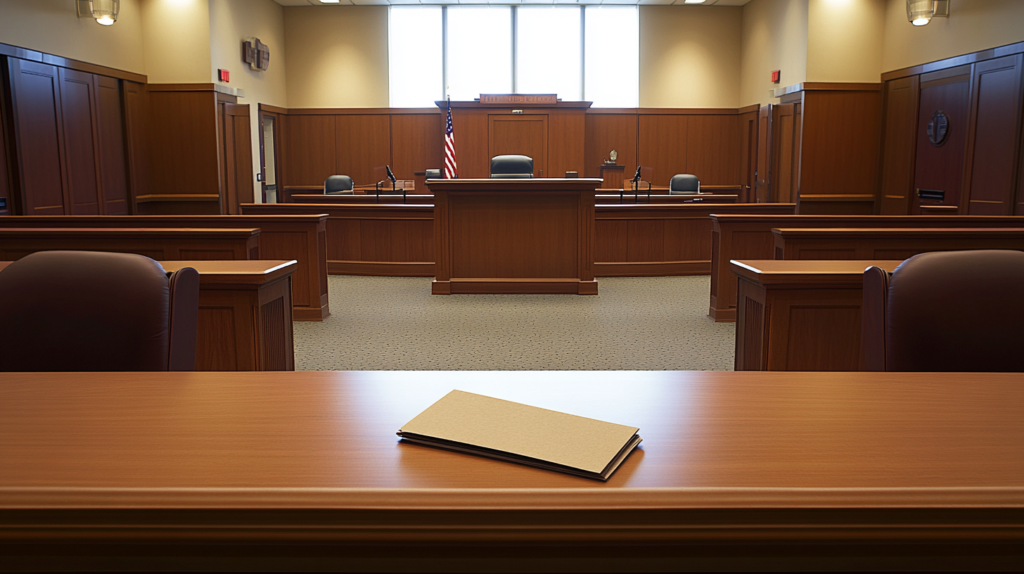
Getting arrested in Las Vegas can happen quickly. One moment you may be walking on the Strip, sitting in a vehicle, leaving a nightclub, or talking to casino security. Next, an officer may place you in handcuffs and begin moving you through the criminal justice system. The fear is real, but the decisions you make in the first minutes and hours can affect your defense for the rest of the case.
A Las Vegas arrest does not mean you are guilty, and it does not mean the prosecution’s version of events is complete. Police reports can leave out important facts, witnesses can misunderstand what happened, and evidence may be challenged later. The most important thing you can do after an arrest is protect your rights, avoid unnecessary statements, and get legal help before the case gains momentum against you.
We at The Defense Firm represent Nevada residents and visitors arrested throughout Clark County. Whether the case involves DUI, drugs, assault, domestic violence, theft, casino-related allegations, or a felony charge, the process usually follows the same path: the police encounter, arrest, booking, bail, first court appearance, and early defense investigation.
The police encounter before arrest.
Many arrests begin before the handcuffs appear. Officers from the Las Vegas Metropolitan Police Department, Nevada Highway Patrol, casino security coordination, or another agency may approach after a traffic stop, 911 call, disturbance report, casino incident, or officer observation. At this stage, the officer may be trying to decide whether there is reasonable suspicion, probable cause, or enough information to make an arrest.
Your first responsibility is to stay calm and avoid physical resistance. Even if you believe the officer is wrong, arguing aggressively, pulling away, or refusing lawful commands can create additional allegations. A situation that might have been defensible can become harder if prosecutors add resisting arrest or obstruction charges.
You usually must identify yourself when lawfully detained, but you do not need to explain the incident, answer investigative questions, or guess about what happened. The safest response is simple: provide identifying information when required, then clearly say that you want to remain silent and speak with a criminal defense attorney. This protects you without escalating the encounter.
Do not consent to searches of your phone, vehicle, hotel room, purse, backpack, or personal belongings. If officers have a warrant or a legal basis to search, they may proceed without your permission. If they ask for consent, you can say no. Refusing consent is not the same as resisting.

The booking process at CCDC
After an arrest, many people are taken to the Clark County Detention Center, often called CCDC. The booking process may include fingerprints, mugshots, personal property inventory, medical screening, records checks, and entry of your information into the jail system. This part of the process can take hours, especially on weekends, holidays, or major event nights in Las Vegas.
During booking, officers may ask basic administrative questions, such as your name, date of birth, address, and emergency contact information. Those questions are different from questions about the alleged crime. You should not discuss what happened, where you were, who you were with, whether you had been drinking, whether you used drugs, or why police were called.
Statements made during or after booking can be used against you. Even casual comments in a holding area may create problems later. The safest approach is to answer the required identification questions and avoid discussing the facts until you have spoken with a defense lawyer.
You may be allowed to make a phone call. Use it carefully. Contact a family member, trusted friend, or attorney. Do not explain the full case over a jail phone because calls may be recorded. Give practical information, ask for help contacting counsel, and save case details for a confidential attorney-client conversation.
Rights that protect you after an arrest
The most important right after an arrest is the right to remain silent. You do not have to answer questions about the alleged offense. You also have the right to request an attorney. Once you clearly invoke those rights, officers should not continue questioning you about the crime without counsel present.
This matters because many people talk themselves into problems. They think explaining will help, but partial statements, nervous answers, contradictions, or guesses can become evidence. Even innocent explanations may be taken out of context. Silence is not an admission of guilt. It is a constitutional protection.
You also have the right to know the charges, the right to court review, and the right to legal representation. If you cannot afford private counsel, the court may appoint a public defender. However, if you plan to hire a private attorney, getting one involved early can help with bail, the first court appearance, evidence preservation, and communication with the prosecutor.
In DUI cases, testing rules can be more complicated. Roadside exercises are different from chemical testing after arrest. Nevada’s implied consent rules may require a post-arrest chemical test in certain situations, but pre-arrest field sobriety exercises are often voluntary. Our guide to implied consent in Nevada explains why the timing of testing matters.
Bail and release after booking
After booking, the next concern is usually raised. Bail in Las Vegas may be based on a schedule, a judge’s decision, or the facts of the case. Lower-level charges may have a scheduled amount that can be posted before the first court appearance. More serious cases, or cases involving certain risk concerns, may require a judge to review release conditions.
There are several ways to secure release. Cash bail means paying the full amount directly to the court. A bail bond allows a licensed bail agent to post the bond in exchange for a non-refundable premium. In Nevada, the premium is generally 15 percent of the bond amount or $50, whichever is greater. A judge may also grant own recognizance release, which means the person is released without paying money and promises to return to court.
If bail is too high, a defense attorney may ask the court to reduce it. The judge may consider the seriousness of the charge, prior record, past failures to appear, local ties, employment, family responsibilities, and whether the person is a flight risk or danger to the community. For visitors, including tourists arrested in Las Vegas, the defense may need to show that the person will return for court despite living outside Nevada.
Release does not always happen immediately after bail is posted. CCDC may still need to verify records, complete paperwork, and process the person out of custody. Delays are common, especially during high-volume periods. Our guide to the bail process in Las Vegas explains how this stage works and why early legal involvement can help.
The first court appearance
The first court appearance may involve an arraignment, initial appearance, or other setting, depending on the charge and custody status. If a person has not been brought before a magistrate within 72 hours after arrest, excluding nonjudicial days, Nevada law requires the magistrate to give the prosecutor a chance to explain the delay and may allow release if the delay was unnecessary.
At this early hearing, the judge may address the charge, rights, plea, counsel, bail, release conditions, and the next court date. In many cases, the safest procedural step is entering a not-guilty plea so the defense can review discovery, challenge evidence, and negotiate from a stronger position. A guilty plea at the first appearance can close off options before the case has been investigated.
This hearing can also affect whether the person stays in custody, receives lower bail, gets released on their own recognizance, or must follow specific conditions. The judge may order no contact with an alleged victim, travel restrictions, drug or alcohol testing, GPS monitoring, or other requirements.
Having a lawyer at this stage matters. Counsel can argue for better release conditions, protect you from saying something harmful, and begin shaping the defense before the prosecution’s theory becomes the only version the court hears.
Protecting evidence in the first 48 hours
The first 24 to 48 hours after an arrest are critical. Evidence can disappear quickly. Surveillance footage may be overwritten, witnesses may leave town, rideshare records may be harder to retrieve, and text messages or digital records may be deleted.
Write down what you remember while the details are fresh, but do not post about the case online or send long explanations to friends. Share your notes only with your attorney. That helps preserve attorney-client privilege and prevents your own words from being used against you.
Save anything that may support your defense. This may include receipts, messages, call logs, photos, videos, hotel records, rideshare trips, parking records, GPS data, medical records, or witness names. If the incident happened at a casino, bar, hotel, or business, time may be limited because surveillance footage is not always stored for long.
Do not contact alleged victims or witnesses without legal advice. Even a well-intentioned apology, clarification, or request to “tell the truth” can be interpreted as pressure, harassment, or witness tampering. If a protective order or no-contact order is in place, communication can create a separate violation. Our guide to protective order violations explains why even indirect contact can be risky.
Avoiding mistakes that damage the defense
One of the biggest mistakes after an arrest is trying to explain the case to the police without an attorney. Another is assuming that cooperation means answering every question. You can be respectful without giving statements that prosecutors may later use against you.
Social media is another risk. Posts, comments, photos, location tags, private messages, and deleted content may become part of the investigation. Do not post about the arrest, the alleged victim, police, witnesses, alcohol or drug use, or what you think happened. Silence online protects you the same way silence with the police protects you.
You should also avoid missing court, ignoring release conditions, leaving Nevada without permission when restricted, failing to update your attorney, or violating testing and monitoring requirements. These mistakes can lead to a warrant, bail revocation, or a worse negotiation position.
If you are facing a DUI charge, preserve anything that shows your timeline, including food receipts, drink receipts, witness names, rideshare attempts, or medical issues that may affect testing. If you are facing drug charges, do not consent to additional searches of your home, vehicle, or phone without a warrant.
Choosing the right lawyer after an arrest
Not every attorney handles every criminal charge the same way. The right Las Vegas criminal defense lawyer should understand the local courts, prosecutors, judges, jail process, bail hearings, and the evidence issues common to your type of case.
For a DUI case, the defense may involve testing procedures, body camera footage, field sobriety tests, breath records, blood draws, and DMV deadlines. For a drug case, the focus may be the stop, search, possession theory, lab results, chain of custody, or whether police violated constitutional protections. For domestic violence or assault, the defense may need witness interviews, medical records, surveillance footage, self-defense evidence, and credibility analysis.
Experience with the charge matters. The Defense Firm handles cases involving domestic violence, battery and assault, drug crimes, DUI, theft, weapons allegations, and serious felony offenses across Clark County.
A strong attorney does not wait until the first hearing to begin. Early work may include reviewing the arrest, preparing bail arguments, preserving video, identifying witnesses, requesting discovery, and looking for constitutional issues. The sooner the defense starts, the more opportunities there may be to control the damage.

FAQ
Can the police search my phone after arresting me in Las Vegas?
Police may seize your phone, but they generally need a warrant to search its contents. Do not unlock your phone, provide your passcode, or consent to a search without legal advice.
Do I have to answer detective questions after an arrest?
No. You can invoke your right to remain silent and ask for an attorney. Once you do, officers should stop questioning you about the alleged offense unless counsel is present or you choose to reinitiate the conversation.
Will an arrest in Las Vegas appear on my record?
An arrest may appear on certain background checks even without a conviction. Depending on the outcome, you may later qualify for record sealing. The final result of the case can affect when and whether sealing is available.
Conclusion
A Las Vegas arrest can threaten your freedom, record, job, license, immigration status, and future. What you do next matters. Do not explain the case to the police, do not post about it online, and do not walk into court unprepared.
Contact The Defense Firm as soon as possible after an arrest in Las Vegas, Henderson, North Las Vegas, or anywhere in Clark County. Our team can protect your rights, fight for release, challenge weak evidence, preserve critical proof, and build a defense strategy from the start. Schedule a free confidential consultation today and take control before the prosecution gains momentum.