 English
 Spanish
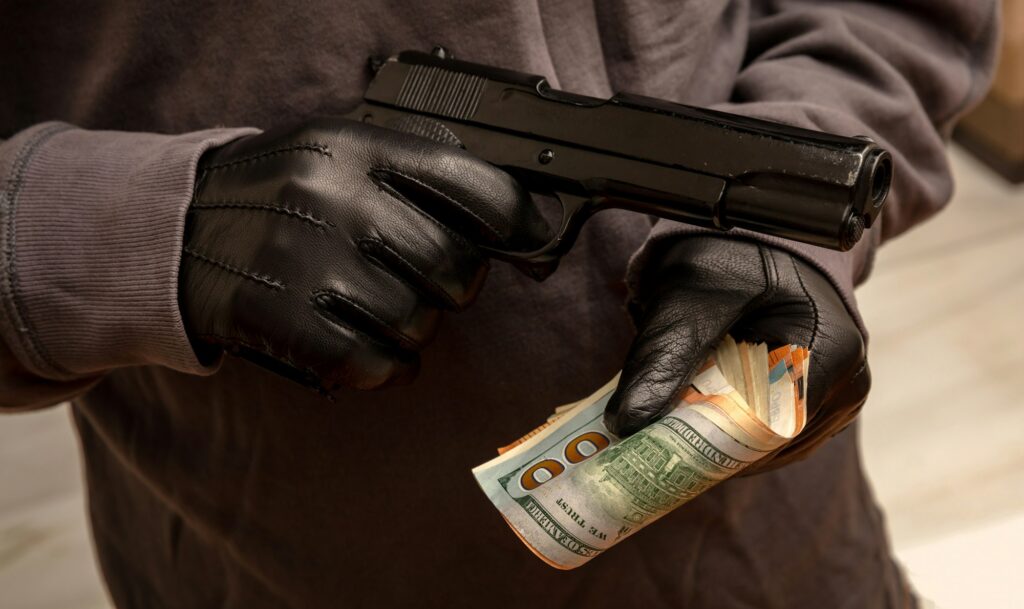
Ever wondered whether using a fake weapon during a crime could lead to serious robbery charges? The answer is more complex than you might think. While it may seem intuitive that a fake weapon might reduce the severity of a charge, the law often views such cases differently. This article delves into the legal intricacies surrounding the use of a fake weapon during a robbery, exploring how perception, intent, and precedent play significant roles in the courtroom.
Defining Robbery in Legal Terms
Robbery is defined as the unlawful taking of property from another person by force, intimidation, or threat of violence. It differs from other theft-related offenses like larceny or burglary because it involves direct interaction with the victim and the use or threat of force. Under Nevada law, robbery is a felony that carries significant penalties, and it does not necessarily require the use of a real weapon—even the threat alone suffices to escalate a charge to armed robbery.
Precedent and Case Law
A notable precedent in Nevada is State v. Fouquette, 67 Nev. 505, 221 P.2d 404 (1950), which underscored the significance of victim perception in determining the severity of a robbery charge. Even if the weapon turns out to be fake, the key factor is whether the victim reasonably believed their life was in danger.
The Role of Perception in Robbery Charges
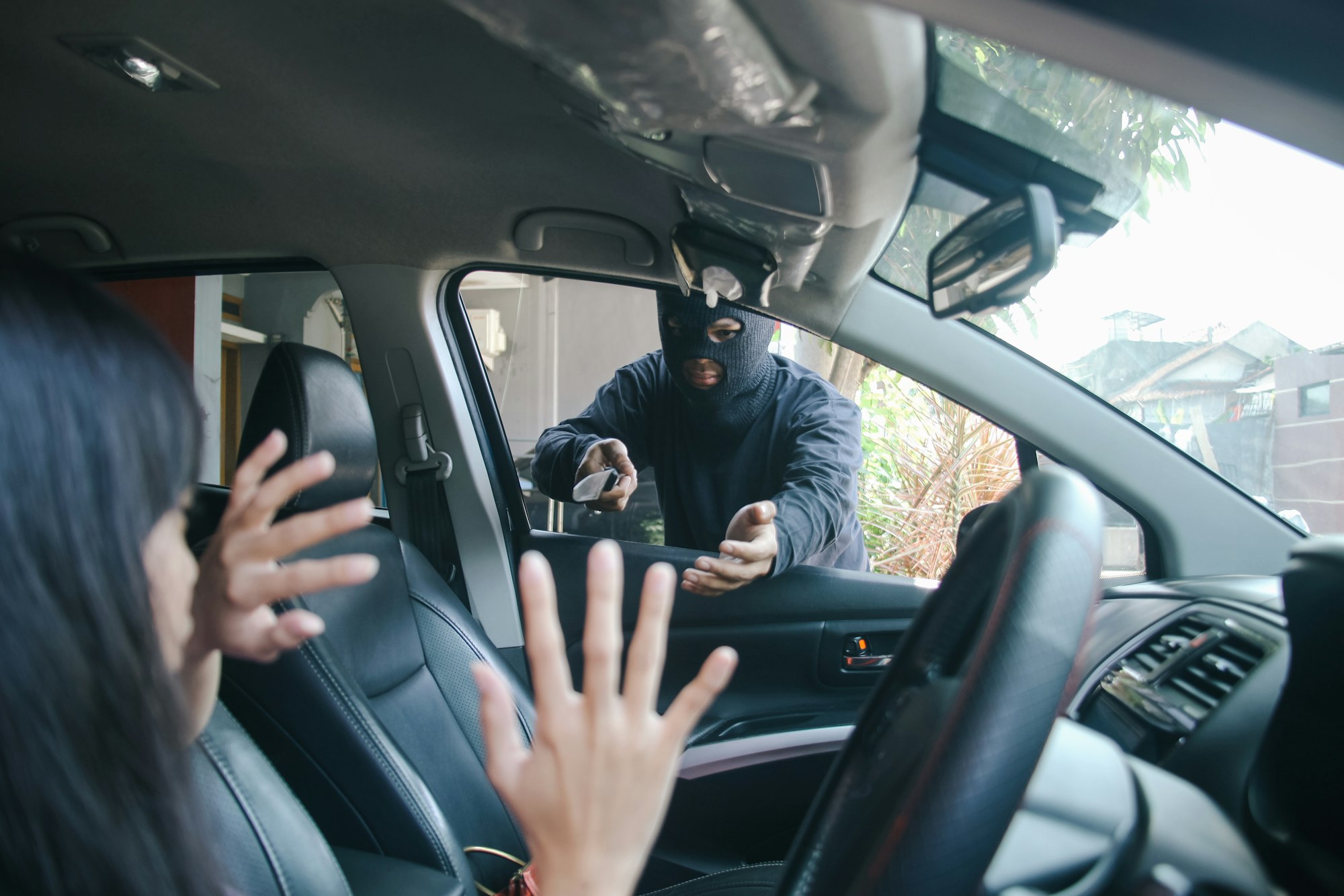
One of the most critical aspects of robbery cases involving fake weapons is the victim’s perception. If a perpetrator brandishes a fake weapon that looks real enough to induce fear, the law treats the crime as if a real weapon was used. This approach is rooted in the principle that the psychological trauma inflicted on the victim remains the same, regardless of the weapon’s authenticity.
In Nevada, prosecutors can argue that the use of a fake weapon constitutes an armed robbery due to the victim’s reasonable belief that the weapon posed a genuine threat. Courts frequently uphold this interpretation, reinforcing the idea that the presence or simulation of a weapon elevates the severity of the crime.
Example: How a Fake Weapon Can Lead to Severe Charges
Imagine a scenario where an individual uses a realistic-looking toy gun to rob a convenience store. Despite the weapon being fake, the victim believes their life is in imminent danger and complies with the demands. Under Nevada law, this act would be charged as armed robbery, emphasizing that it’s the perceived threat that matters most. The precedent established in State v. Gibson, 99 Nev. 804, 672 P.2d 1075 (1983), illustrates how courts weigh the victim’s belief in assessing charges.
Legal Consequences of Using a Fake Weapon
Robbery with a fake weapon can carry severe penalties similar to those involving real weapons. Convictions may result in substantial prison sentences, significant fines, and a permanent criminal record. For example, a standard armed robbery conviction in Nevada can lead to a prison sentence ranging from 2 to 15 years.
Additionally, the use of a fake weapon does not exempt a defendant from facing enhancements under Nevada’s sentencing guidelines. This means that even if no physical harm occurs, the emotional and psychological impact on the victim is taken into account during sentencing.

Defenses Against Robbery Charges Involving Fake Weapons
While the legal system takes a stringent stance on robbery involving fake weapons, certain defenses can be explored depending on the specifics of the case:
Challenging Victim Perception
One potential defense is to question whether it was reasonable for the victim to believe the weapon was real. If evidence, such as surveillance footage, shows that the weapon was visibly fake or that the defendant did not use it in a manner that could reasonably instill fear, this argument may mitigate the charges.
Lack of Intent to Instill Fear
Another defense could be to argue that the defendant did not intend to create a threatening environment. This may involve demonstrating that the defendant’s actions did not align with typical robbery behavior or lacked elements of coercion.
Legal Misunderstandings
Sometimes, defendants may not fully understand the implications of their actions or believe that using a fake weapon would result in lesser consequences. While this is not a defense per se, it may be relevant during plea negotiations to seek reduced charges.
Why Legal Representation is Crucial
Facing a robbery charge—whether involving a real or fake weapon—is a serious matter that can impact your life for years to come. The nuances of perception and intent require skilled legal navigation. Hiring an experienced defense attorney is essential for building a robust defense, potentially challenging the prosecution’s case, and negotiating the best possible outcome.
At The Defense Firm, we understand the complexities of robbery cases and the importance of a tailored defense strategy. If you or someone you know is facing such charges, reach out today for a free consultation. Our experienced team is here to safeguard your rights and help you navigate the legal system with confidence.
Conclusion
Robbery cases involving fake weapons highlight the significant role perception and intent play in legal outcomes. While the weapon may be fake, the charges can be very real, with severe consequences that extend beyond initial sentencing. Understanding these legal nuances is crucial for anyone involved in or affected by such cases. For personalized legal guidance and a strong defense, don’t hesitate to contact The Defense Firm for expert representation and a free consultation.