 English
 Spanish

Imagine waking up one day to discover someone else has hijacked your identity—filing taxes, opening credit cards, or even receiving medical care in your name. It sounds like a plot from a thriller, but for millions of people worldwide, it’s a harsh reality. Over 1.1 million identity theft cases were reported to the FTC in 2022, underscoring the alarming prevalence of this crime.
Identity theft is a growing crime that has far-reaching consequences for victims and their financial accounts. When someone becomes a victim of identity theft, they may face challenges such as unauthorized access to bank accounts and online accounts, leading to significant financial and emotional distress. Identity thieves often commit fraud using stolen personal information to open credit cards, make unauthorized purchases, or even take out loans in the victim’s name.

One of the more alarming forms is medical identity theft, where thieves use stolen identities to access medical services or insurance benefits. This can create complications in the victim’s medical records, leading to potential health risks and financial burdens. Additionally, identity theft crimes can severely impact a person’s credit score, as unauthorized transactions often go unnoticed until the damage is done.
Dealing with identity theft recovery is a lengthy process that involves contacting the three major credit bureaus—Experian, Equifax, and TransUnion—to dispute fraudulent charges and place alerts on accounts. Reporting the incident to law enforcement is also crucial. In Nevada, you should file a police report with the local police department or sheriff’s office. You may also contact the Nevada Attorney General’s Office to report suspected identity theft. Victims must act quickly to prevent further damage and regain control of their financial and online accounts.
Understanding how to safeguard your identity is essential. Awareness of how identity thieves operate and the tools they use, such as phishing scams or data breaches, can help you protect your personal and financial information. Being proactive and regularly monitoring your bank accounts and credit reports can help you spot potential identity theft early, minimizing its consequences.
Ultimately, the impact of identity theft is significant, affecting not only financial stability but also emotional well-being. Taking preventive measures and knowing how to respond effectively is key to mitigating the risks associated with this widespread issue.
The Alarming Prevalence of Identity Theft
Identity theft is no longer a rarity; it is a global problem with billions of dollars in losses reported each year. According to the Identity Theft Resource Center (ITRC), data breaches in 2022 exposed hundreds of millions of records containing personal or financial information. Meanwhile, the FBI’s Internet Crime Complaint Center (IC3) noted over 800,000 cybercrime complaints in 2021 alone, many of which involved identity-related fraud.
Key Statistics at a Glance
- 1.1 million+ identity theft reports to the FTC in 2022.
- Data breaches can expose tens of millions of records in a single incident.
- The annual cost of identity theft in the U.S. is estimated to be in the tens of billions of dollars.
These figures illustrate why staying informed and proactive is crucial. The more you know about identity theft, the better positioned you are to protect yourself and respond effectively should you become a target.
Financial Identity Theft
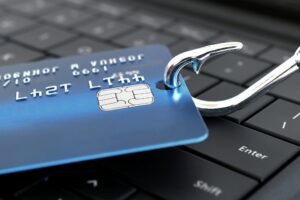
Financial identity theft is the most recognized form of identity fraud. Criminals use stolen personal information—like Social Security numbers, credit card details, or bank account credentials—to gain access to existing accounts or open entirely new lines of credit. Once they have what they need, they can make unauthorized purchases, drain your bank account, or run up massive debts in your name.
Common Methods
- Phishing Emails and Texts: Attackers pose as legitimate institutions to trick you into revealing sensitive information.
- Skimming Devices: Fraudsters attach devices to ATMs or gas pumps to capture card data.
- Dumpster Diving: Criminals rummage through trash to find discarded documents containing personal details.
Warning Sign: Unexpected charges or unfamiliar transactions on your credit card or bank statements. Even small, recurring charges could signal that a thief is testing the waters before making larger purchases.
Tax Identity Theft
Tax identity theft occurs when someone uses your Social Security number (SSN) to file a fraudulent tax return, typically aiming to intercept your tax refund. Victims often realize something is amiss when they receive an IRS notice regarding a duplicate filing or an unexpected adjustment to their tax return.
How to Mitigate Risks
- File Early: Filing your taxes as early as possible can reduce the window of opportunity for thieves to file first in your name.
- Respond Promptly to IRS Notices: Any unexpected communication from the IRS should be taken seriously. If you receive a notice about a tax return you didn’t file, act immediately.
- Use IRS Identity Protection PIN: An IRS IP PIN adds an extra layer of security, preventing others from filing a return in your name.
Medical Identity Theft
Medical identity theft involves the misuse of an individual’s personal information—often including insurance and medical identifiers—to obtain healthcare services, prescription drugs, or medical equipment fraudulently. This form of identity theft can lead to both financial burdens and dangerous inaccuracies in medical records.
Obtaining Medical Services Fraudulently
Criminals may use stolen insurance details to:
- Schedule appointments under your name.
- Acquire prescription medications.
- Submit fraudulent insurance claims.
If your health insurance provider unexpectedly denies coverage or you see unfamiliar medical treatments on your billing statements, these are red flags that warrant immediate attention.
Implications for Medical Records
One of the most dangerous aspects of medical identity theft is the potential alteration of your medical history. For instance, if someone else’s allergies or prescription regimen are added to your file, you could receive improper treatment in an emergency. Review your explanation of benefits (EOB) statements and monitor your health records through patient portals to catch any suspicious entries.
Criminal Identity Theft
Criminal identity theft occurs when someone uses your identity during legal encounters, such as providing your name to law enforcement when they’re arrested. In this scenario, their criminal activity becomes associated with your record, and you may not realize the damage until you face wrongful charges or fail a background check for a job or housing application.
Fraudulent Activities Under Your Name
- Providing law enforcement with stolen identities.
- Court documents were filed against the wrong individual.
- Arrest warrants mistakenly issued to victims.
What to Do: If you suspect you’re a victim of criminal identity theft, obtain a copy of your criminal record from local or state authorities. Dispute any false charges and file a police report stating you are a victim of identity theft.
Synthetic Identity Theft
While less commonly discussed, synthetic identity theft is one of the fastest-growing forms of fraud. In this tactic, criminals combine real and fictitious information—like using a random name with a stolen SSN—to create a “synthetic” identity. Over time, they build credit under this made-up identity and then run up massive debts, leaving the real SSN owner facing the consequences.
Detecting Synthetic Identity Theft
- Credit Report Discrepancies: Accounts you don’t recognize under unfamiliar names.
- Conflicting Data: Letters addressed to a name similar to yours but not exactly correct.
- Unexplainable Credit Score Drops: Sudden changes in credit scores can point to fraudulent activity.
Synthetic identity theft is notoriously difficult to catch because it doesn’t directly target existing accounts. Staying vigilant with routine credit checks is essential.
The Warning Signs of Identity Theft

No matter the form, identity theft often leaves telltale traces. Knowing these warning signs can help you act before a bad situation spirals into a catastrophe.
Unauthorized Financial Activities
- Unfamiliar Transactions: Even small charges on your bank or credit card statements can signal a larger fraud scheme.
- Surprise Declines: Sudden declines on valid credit cards might mean your available balance has been drained.
Spam Calls and Suspicious Emails
- Phishing Attempts: Calls or emails claiming you owe taxes or must verify personal details.
- Excessive Spam: An unexpected spike in spam could indicate your email has been compromised.
Sudden Credit Score Changes
- Unexplained Drops: If your credit score falls drastically, investigate immediately. New credit inquiries or delinquent accounts opened in your name can severely damage your score.
- Credit Denials: Being unexpectedly denied for a loan or credit card is a major red flag.
Consequences for Victims
Identity theft is far more than a simple annoyance. It can unleash a range of hardships, from immediate financial losses to long-term emotional distress.
Financial Loss and Economic Impact
- Bank Account Drains: Stolen funds are often difficult to recover without a timely dispute.
- Mounting Debts: Thieves can open multiple credit lines, leaving you to deal with harassing calls from debt collectors.
- Increased Insurance Rates: In some cases, repeated fraud claims can lead to higher premiums on homeowner or auto insurance.
Emotional and Psychological Toll
- Stress and Anxiety: Coping with false charges and endless phone calls to banks can lead to significant emotional strain.
- Erosion of Trust: Many victims feel violated and less trusting of institutions after their data is misused.
- Time and Effort: Resolving identity theft can take months—sometimes years—of persistent communication with creditors and law enforcement.
Preventing Identity Theft
While no method guarantees complete immunity, proactive measures significantly reduce your vulnerability. By combining digital hygiene with physical document security, you can build multiple layers of defense.
A data breach can expose sensitive information such as medical records, credit card numbers, or Social Security details, putting individuals at risk of identity theft. This often involves fraud, such as tax fraud, where stolen information is used to file fake tax returns. Monitoring credit card statements and regularly reviewing your credit report are essential steps to help prevent identity theft. If suspicious activity is detected, contacting the fraud department of your financial institution or placing a fraud alert through one of the major credit bureaus is crucial. Agencies like the Internal Revenue Service also play a role in protecting individuals from fraudulent tax-related activities. Staying vigilant can help minimize the impact of identity theft and safeguard your personal information.
Protecting Personal Information
- Shred Sensitive Documents: Utility bills, bank statements, and credit card offers should never go into the trash intact.
- Limit Social Media Sharing: Avoid posting details like your birthdate, address, or phone number.
- Use Caution with Public Wi-Fi: Public networks can be breeding grounds for data interception. Connect via a virtual private network (VPN) when possible.
Strong Passwords and Two-Factor Authentication
- Unique, Complex Passwords: Use a combination of letters, numbers, and symbols. Avoid reusing passwords across sites.
- Password Manager: Consider using a reputable password manager to store your login details securely.
- Two-Factor Authentication (2FA): Whenever possible, opt for 2FA to require a second verification step—often a text message or authenticator app code.
Monitoring Financial Accounts
- Set Up Account Alerts: Most banks and credit card issuers let you enable text or email alerts for transaction notifications.
- Check Credit Reports: Review your credit report from the three major bureaus (Equifax, Experian, and TransUnion) at least once a year, looking for unexpected accounts or hard inquiries.
The Role of Data Breaches
Large-scale data breaches can expose millions of consumers’ information at once. Criminals often buy and sell these stolen details on the dark web, compounding the risk of identity theft.
High-Profile Breaches
- Equifax (2017): Exposed personal data of approximately 147 million Americans.
- Marriott (2018): Affected around 500 million guests, revealing information like passport numbers and travel details.
- Capital One (2019): Over 100 million U.S. customers were impacted, including Social Security numbers.
Actions to Take After a Data Breach
- Freeze Credit: Freezing your credit with all three major bureaus blocks anyone from opening new accounts.
- Set Fraud Alerts: A fraud alert on your file requires lenders to verify your identity before issuing credit.
- Report and Document: File a report with the FTC and document all correspondence with financial institutions.
Responding to Identity Theft
If you suspect you’ve become a victim, quick action can minimize the damage. From contacting your bank to filing official reports, every step matters.
Notify Relevant Institutions
- Banks and Credit Card Companies: Request that they freeze or close compromised accounts.
- Credit Bureaus: Besides freezing credit, you can also request that incorrect information be removed or corrected.
- Utility and Service Providers: Thieves can open utility accounts in your name, so alert these companies if you see suspicious activities.
Involving Government Agencies
- Social Security Administration (SSA): If your SSN is compromised, inform the SSA.
- Federal Trade Commission (FTC): File a detailed report at IdentityTheft.gov.
- Local Law Enforcement: Submit a police report, particularly for criminal identity theft or large-scale financial loss.
The Recovery Process
Recovering from identity theft requires both immediate and sustained efforts. In Nevada, legal actions related to identity theft may be subject to specific statutes of limitations under civil and criminal law, so consulting an attorney promptly is crucial. Understanding the timeline and staying organized will help you navigate this challenging period more effectively:
- Change Passwords: For any affected accounts, create new, unique passwords immediately.
- Close Compromised Accounts: Work with financial institutions to shut down fraudulent accounts.
- Monitor Credit Scores: Rapid credit score changes might reveal new fraudulent charges or inquiries.
Long-Term Recovery
- Regular Credit Checks: Continue to pull credit reports every few months to ensure no new unauthorized activity appears.
- Dispute All Errors: Provide detailed documentation to lenders and credit bureaus to remove fraudulent entries.
- Secure Personal Documents: Keep your Social Security card, birth certificate, and other sensitive documents in a safe or locked file cabinet. Shred unnecessary papers thoroughly.
Identity Theft Insurance: Pros and Cons

Identity theft insurance has grown more popular as consumers look for ways to mitigate financial losses. While it can help cover out-of-pocket expenses such as legal fees and lost wages due to court appearances, it won’t necessarily prevent identity theft from happening in the first place.
Pros
- Financial Reimbursement: Covers certain costs associated with resolving identity theft.
- Dedicated Support: Some policies include a case manager who can guide you through the recovery process.
- Peace of Mind: Knowing you have a safety net can alleviate stress.
Cons
- Annual Premiums: Insurance may add ongoing costs without guaranteeing full coverage of all damages.
- Policy Limitations: Certain policies may not cover synthetic identity theft or other emerging scams.
- No Guarantee: Insurance doesn’t stop thieves from accessing your information; it only helps with remediation afterward.
Before purchasing a policy, evaluate the coverage details and compare multiple providers to ensure you’re getting the best protection for your needs.
Best Practices for Protecting Sensitive Data
Beyond the basics of strong passwords and monitoring accounts, consider additional safeguards to fortify your digital life.
- Use Encrypted Messaging Apps: Secure apps help keep your conversations private.
- Limit Online Sharing: Review privacy settings on social media platforms to minimize data exposure.
- Implement Multi-Layer Security: Combine firewalls, antivirus software, and frequent system updates to deter cyber threats.
- Educate Your Household: Ensure everyone in your home understands phishing risks, safe browsing habits, and how to spot scam calls or emails.
| Tool/Practice | Benefit |
| Password Manager | Simplifies creating and recalling strong passwords |
| VPN (Virtual Private Network) | Encrypts data over public Wi-Fi, reducing interception risks |
| Antivirus Software | Detects and blocks known malware or spyware |
| Encrypted Cloud Backup | Safeguards important files from ransomware attacks |
Conclusion
Identity theft is not merely a financial inconvenience; it’s a serious crime with repercussions that can last for years. By understanding its various forms—financial, tax, medical, criminal, and even synthetic—individuals can better recognize when they’re at risk and take proactive measures to prevent a breach of their data. Staying alert to warning signs like unauthorized financial activities or a sudden dip in your credit score can mean the difference between catching fraud early and facing extensive damage.
In recent years, Congress passed several laws aimed at addressing the growing problem of identity theft and improving the recovery process for victims. However, the journey to reclaim one’s identity can still be overwhelming, especially when dealing with issues such as spam calls from fraudulent actors or the misuse of stolen information to wrongfully obtain healthcare benefits. In some cases, identity theft involves a family member, making the situation even more emotionally complex. Thieves who wrongfully obtain personal information may face criminal charges under Nevada law. For example, NRS 205.463 classifies certain acts of identity theft as a Category B felony, which can lead to significant prison time and fines. Warning signs like unexpected bills, changes in a rental agreement, or unauthorized accounts can help individuals act quickly to mitigate further damage.
When prevention fails, knowing how to respond—from freezing your credit to filing reports with the FTC and local law enforcement—helps victims regain control faster. While legislative frameworks provide avenues for justice, personal vigilance remains the most effective shield against identity theft. The digital age has ushered in new complexities, from AI-driven deepfake scams to sophisticated biometric hacks, but awareness and consistent security practices still form your strongest defense. This article is for informational purposes only and does not constitute legal advice; for personalized guidance, consult a licensed attorney in your jurisdiction.
Take action today: review your current security practices, update your passwords, and monitor your financial activities. If you ever suspect foul play, don’t hesitate to involve banks, credit bureaus, and legal authorities. By staying informed and vigilant, you can significantly reduce your risk of falling prey to identity thieves and ensure that your personal and financial well-being remains firmly in your own hands. Prevention is always better than cure—don’t wait to safeguard what’s yours.