 English
 Spanish
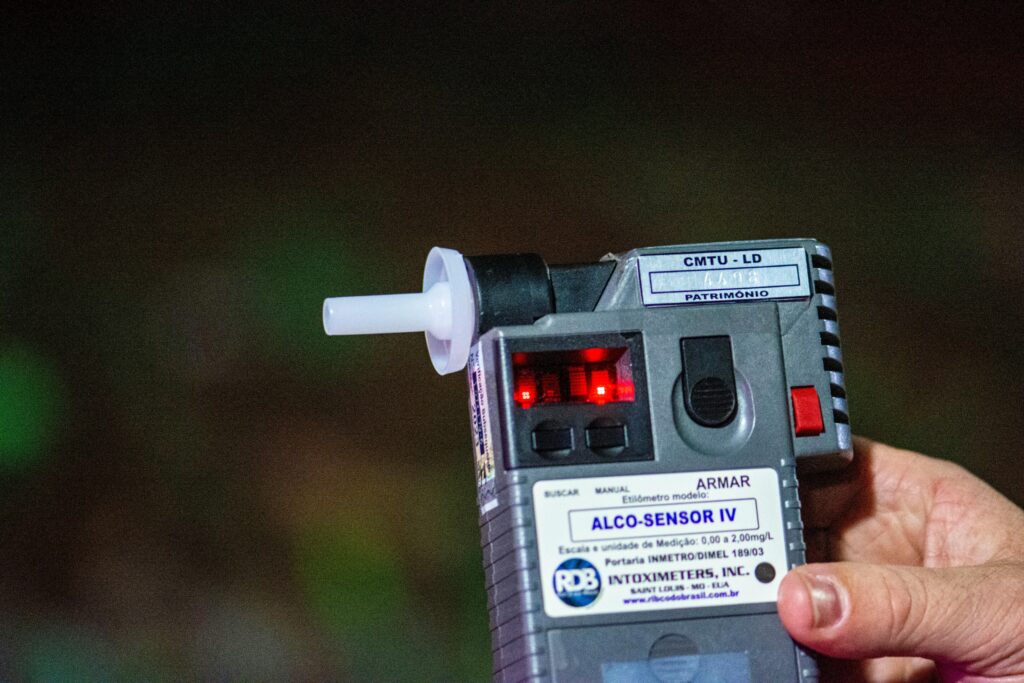
DUI checkpoints are a common sight on Las Vegas roads, especially during holidays, major events, and late-night hours. These stops are designed to identify impaired drivers, reduce drunk driving accidents, and ensure compliance with Nevada’s strict traffic laws. However, many drivers are unsure about what they are legally required to do when approaching sobriety checkpoints. Understanding your rights—what you must comply with and what you may refuse—can make a significant difference in the outcome of any DUI investigation that follows.
Nevada allows DUI checkpoints under specific constitutional and statutory conditions. While these checkpoints are legal in Las Vegas, law enforcement agencies must follow precise procedures to ensure that stops do not violate the Fourth Amendment or Nevada law. When officers fail to comply with these rules, any evidence obtained may be deemed invalid.
This guide explains how DUI checkpoints in Las Vegas work, what officers can and cannot do, and what your rights are when stopped.
How DUI Checkpoints in Las Vegas Are Legal Under Nevada Law
Although some states prohibit sobriety checkpoints, Nevada DUI checkpoints are legal under state law and supported by federal law. The United States Supreme Court has ruled that checkpoints, when conducted properly, do not constitute unreasonable searches. However, law enforcement must follow strict constitutional guidelines to ensure that drivers’ rights are not violated.
In Las Vegas, checkpoints must be approved and announced in advance. This means law enforcement agencies generally announce DUI checkpoint locations through media outlets, press releases, or online notifications. Advance notice is part of the safeguard, ensuring the checkpoint is not arbitrary and that drivers are aware of heightened enforcement efforts.
What Happens When Drivers Approach Sobriety Checkpoints in Las Vegas
As you approach flashing lights, cones, and law enforcement officers, the first step is slowing down and preparing to follow the officer’s instructions. Officers may briefly stop each car or every second or third vehicle, depending on how the checkpoint is structured. This procedure ensures the stop is not selective or discriminatory.
At the initial contact, officers typically request your driver’s license, vehicle registration, and proof of insurance. These requests are legally permissible. During this interaction, officers may also be observing your driving behavior, demeanor, reactions, and whether any warning signs of impairment—such as slurred speech—are present.
If an officer suspects impairment, the stop escalates into a deeper DUI investigation, potentially involving field sobriety tests or chemical testing.
Can Drivers Avoid a Las Vegas DUI Checkpoint?
Drivers sometimes wonder if making a legal U-turn to avoid a checkpoint is allowed. The law permits drivers to avoid a checkpoint if they do so lawfully. However, performing an illegal U-turn or violating traffic laws gives officers independent reasonable suspicion to initiate a stop.
Avoiding a checkpoint is not grounds for arrest, but breaking a traffic rule while doing so can lead to further investigation.
What Law Enforcement Officers Can Demand at a DUI Checkpoint
Under Nevada law, officers can request basic identifying documents. Beyond that, police must have probable cause or reasonable suspicion to expand the stop. A driver is not required to answer investigative questions such as where they are coming from, what they were doing, or whether they have been drinking.
Drivers have the right to remain silent, as long as they provide legally required documents and comply with lawful commands. Remaining calm and respectful avoids escalation while still protecting constitutional protections.
If the officer develops suspicion based on behavior, odor of alcohol, or visible impairment, the investigation may intensify. But this escalation must be justified; a checkpoint does not give officers unlimited authority.
Are Drivers Required to Perform Field Sobriety Tests at Checkpoints?
One of the most misunderstood rights at Las Vegas DUI checkpoints involves field sobriety tests. These tests—including walk-and-turn, one-leg stand, and eye movement assessments—are not mandatory. Drivers may legally refuse field sobriety tests without penalty.
Officers often imply that refusal suggests guilt, but sobriety tests are voluntary under Nevada law. These assessments are subjective and often used to justify further action.
If a driver refuses, the officer may seek other forms of evidence, but refusal alone does not constitute intoxication.
What Happens If an Officer Requests a Preliminary Breath Test
If the officer suspects impairment, they may ask you to blow into a preliminary breath test device. This roadside test is also voluntary in many situations. Refusing it does not immediately trigger consequences unless the officer has already developed sufficient suspicion to justify arrest.
Once arrested, Nevada’s implied consent rules require drivers to submit to a breathalyzer or chemical test. At that stage—post-arrest—refusing can lead to license suspension, forced testing through a search warrant, or additional penalties.
How Checkpoint Investigations Escalate When Officers Suspect Impairment
If an officer notes signs of intoxication—such as odor of alcohol, glassy eyes, or slurred speech—they may isolate the driver for further evaluation. This secondary inspection area is where officers may attempt to administer field sobriety tests or request chemical tests.
While drivers must comply with arrest procedures, pre-arrest testing remains voluntary. Officers must articulate the specific observations that led them to suspect impairment, or the stop may not withstand legal scrutiny.
What Rights Drivers Have to Remain Silent During a DUI Checkpoint Stop
A driver may politely decline to answer questions unrelated to basic identification. Statements about drinking, medical conditions, or daily activities may be used to build a case against the driver.
Drivers can exercise their constitutional right to remain silent. This does not interfere with providing a valid driver’s license, insurance, or registration, which are legally required.
What Happens After an Arrest at a Las Vegas DUI Checkpoint
If arrested, the driver is transported for an evidentiary breathalyzer test, blood test, or other chemical test. Officers may also pursue a warrant for a blood sample if the driver refuses testing. These procedures follow Nevada’s DUI laws and allow the state to continue building a criminal case.
Arrests at checkpoints carry serious consequences, particularly for repeat offenders or cases involving serious injury. A checkpoint arrest is treated similarly to other DUI arrests, with potential for fines, jail, DUI school, and license suspension.
At this stage, the most important step is seeking legal representation from an experienced DUI attorney as soon as possible.
How DUI Lawyers Challenge Illegal or Improper Checkpoint Procedures
A key defense strategy involves examining whether the checkpoint was conducted legally. Attorneys investigate:
- Whether law enforcement provided proper advance notice
- Whether the checkpoint procedures followed required neutrality
- Whether law enforcement agencies followed administrative protocols
- Whether officers detained drivers longer than necessary
- Whether improper searches occurred
If the checkpoint violated constitutional protections, any evidence obtained may be suppressed. This can severely weaken or even destroy the prosecution’s case.
Attorneys also scrutinize the officer’s basis for escalating the investigation. Without clear evidence of impairment, the state may fail to demonstrate probable cause.
What Drivers Should Do to Protect Their Rights at Checkpoints
Drivers must remain calm, comply with lawful directives, and avoid confrontational language. They have the right to remain silent, the right to refuse voluntary field tests, and the right to consult their attorney. They should avoid volunteering additional information that could lead to further investigation.
These simple steps help ensure the stop stays within constitutional boundaries and protect the driver’s rights if legal challenges become necessary later.
FAQ
Are DUI checkpoints legal in Las Vegas?
Yes, Nevada law permits DUI checkpoints as long as law enforcement agencies follow constitutional guidelines, provide advance notice, and conduct stops neutrally.
Can I refuse field sobriety tests at a checkpoint?
Yes, Drivers are not legally required to perform field sobriety tests, and refusal does not automatically imply guilt.
What happens if I refuse a chemical test after arrest?
Refusing a breath or blood test post-arrest may lead to immediate license suspension and could result in a warrant for a forced blood draw.
Conclusion
DUI checkpoints are legal in Nevada, but that does not mean officers have unlimited authority. Drivers have specific rights, including the right to remain silent and the right to refuse field sobriety tests. When law enforcement agencies fail to follow correct procedures, any evidence gathered may be invalidated in court.
If you were stopped or arrested at a Las Vegas DUI checkpoint, your rights and freedom may depend on choosing the right legal advocate. A skilled attorney can examine checkpoint procedures, challenge improper police actions, and fight to protect your driver’s license and future.
If you’re facing DUI charges from a checkpoint stop, take action now. Contact The Defense Firm for a free consultation with a Las Vegas DUI defense attorney who will protect your rights every step of the way.