 English
 Spanish
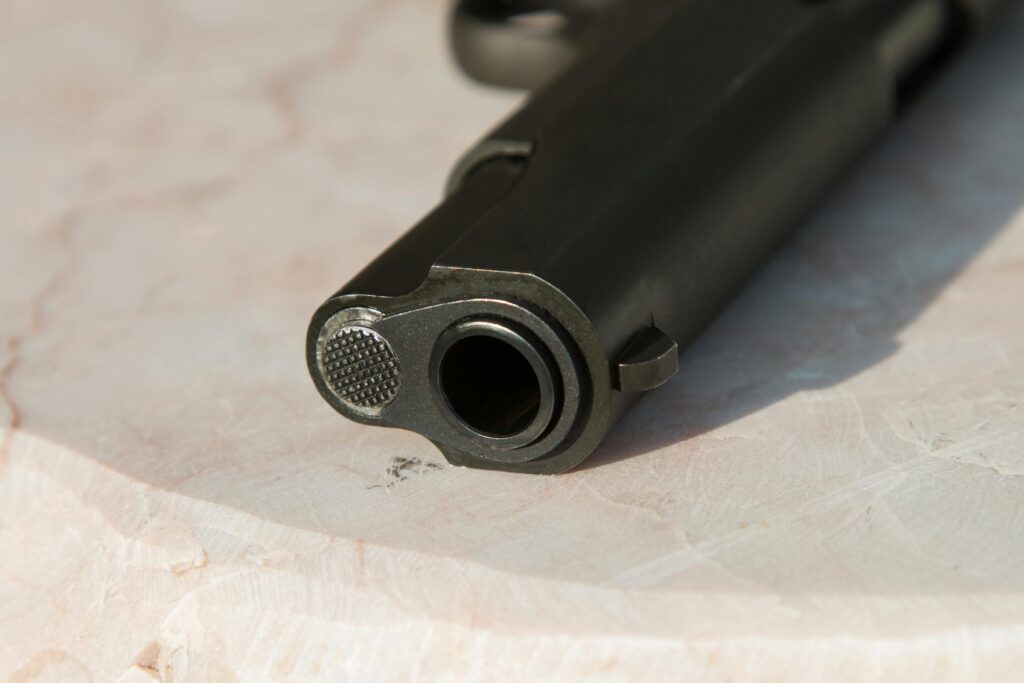
Gun enhancements in Nevada criminal cases can turn a routine felony into a life-altering legal battle. When prosecutors allege that a defendant used, possessed, or even brandished a deadly weapon during the commission of a crime, Nevada law triggers enhanced penalties that often result in significantly longer prison sentences. These consequences apply across Las Vegas, Henderson, and Clark County courts, making firearm enhancements one of the most serious sentencing issues defendants face in Nevada’s criminal justice system.
Understanding how weapon enhancement laws operate is critical for anyone charged with a crime involving a firearm. Whether the allegation involves unlawful possession, a concealed weapon, or a gun used during a felony, Nevada statutes, especially NRS 193.165, can impose double penalties, restrict judicial discretion, and impose mandatory prison time. This article explains how gun enhancements work, when courts apply them, and why early representation from a Las Vegas criminal defense lawyer is essential.
How Nevada’s Deadly Weapon Enhancements Work in Las Vegas Criminal Cases
Nevada’s primary weapon enhancement statute, NRS 193.165, allows the court to add a consecutive sentence when a defendant commits a felony while using a firearm or any dangerous weapon readily capable of causing substantial bodily harm. The enhancement is added on top of the underlying crime and must be served consecutively—never at the same time.
This means a felony that normally carries a 1–5-year sentence could transform into a 10-20-year exposure when prosecutors add a deadly weapon enhancement. For defendants, this sentencing structure increases risk and pressure, particularly when facing aggressive prosecution in Clark County.
Why Nevada Applies Harsh Penalties for Crimes Involving Deadly Weapons
Nevada’s lawmakers designed these enhancements to deter repeat offenders, discourage violent conduct, and protect public safety. The state views crimes with firearms as inherently more dangerous, regardless of whether the gun was fired. This philosophy drives the harsher sentencing framework and restricts plea negotiations in many cases.
Even when no one suffers substantial bodily harm, prosecutors argue that the presence of a firearm escalates the risk of severe consequences. Judges in Las Vegas typically agree, particularly in cases involving domestic violence, burglary, robbery, and controlled substance offenses.

Which Criminal Offenses Trigger Firearm Enhancements in Nevada?
Nearly any felony can be enhanced when prosecutors believe the defendant used or possessed a firearm during the crime. The statute applies broadly and aggressively across the Clark County District Court.
Enhancements frequently accompany:
- Robbery and home invasion
- Assault and battery with a deadly weapon
- Drug trafficking or distribution
- Domestic violence offenses
- Burglary
- Kidnapping
- Sexual assault
- Crimes causing or attempting substantial bodily harm
The underlying crime does not need to be violent. Simply possessing a firearm while committing such crimes is enough to trigger enhanced penalties.
How Gun Enhancements Affect Category B Felony Charges in Nevada
Many firearm-related cases fall under Category B felony classifications. These felonies carry increased minimum prison time, and Nevada judges have limited discretion when enhancements apply.
If the underlying crime carries a penalty of 2–10 years, the deadly weapon enhancement can add another 1–20 years. This creates sentencing structures that dramatically increase punishment and reduce opportunities to negotiate favorable outcomes.
Because gun enhancements often convert otherwise negotiable charges into mandatory prison time, defendants must respond strategically.
What Counts as a “Deadly Weapon” Under Nevada Law?
Although most defendants associate enhancements with firearms, Nevada’s definition of a deadly weapon is significantly broader. Courts consider a weapon deadly if it is:
- Inherently dangerous (e.g., guns, knives, brass knuckles)
- Used in a way that can cause substantial bodily harm
- Readily capable of producing serious injury
This includes unconventional objects used as weapons—tools, hard objects, or items used to inflict injury. It also covers modern weapons such as machine guns, tear gas, and other dangerous devices.
Possession of a Firearm vs. Use of a Firearm: Why the Distinction Matters
One of the most misunderstood elements of Nevada’s enhancement law is that the prosecution does not need to prove intent to use the weapon. Simply having a gun during the commission of a crime is often enough to activate the enhancement.
In Las Vegas criminal cases, this creates exposure even when:
- The firearm remained concealed
- The defendant never touched the weapon
- The gun was unloaded
- The alleged firearm belonged to someone else
- The weapon was possessed legally
What matters is the state’s argument that the firearm increased the potential for harm.
Firearm Possession by Prohibited Persons and Related Enhancements
Separate from deadly weapon enhancements, Nevada and federal law both criminalize firearm possession by certain individuals. Common “prohibited persons” include:
- Felons
- Domestic violence offenders
- Undocumented immigrants
- Individuals with certain mental illness findings
- Defendants with prior convictions for violent crimes
- Controlled substance users
When such individuals possess firearms, Nevada charges them with separate offenses that often carry additional penalties on top of the underlying crime.
How Gun Enhancements Impact Sentencing and Prison Time
Because sentencing enhancements are added after the underlying crime, a defendant faces consecutive sentencing. This greatly increases exposure and often leads to significantly longer prison terms.
Judges can consider many factors during sentencing, including:
- Circumstances surrounding the offense
- Severity of injuries or bodily harm
- Prior convictions or criminal history
- Whether the weapon was brandished or discharged
- Criminal intent
- Whether the defendant poses a public safety risk
Although judges maintain some discretion, serious firearm allegations limit opportunities for leniency.
Nevada Judges and Judicial Discretion in Weapon Enhancement Cases
Even though NRS 193.165 prescribes specific sentencing ranges, Nevada judges hold some discretion when imposing the final penalty. They consider mitigating factors such as:
- Lack of prior felony convictions
- Mental illness
- Cooperation with the police
- Evidence of rehabilitation
- A supportive background
- Whether the defendant played a minimal role in such crimes
Still, many judges emphasize that crimes involving firearms place the community at risk and therefore merit strong sentences. This trend is consistent across Las Vegas and Henderson courts.

How Federal Gun Laws Affect Nevada Cases Involving Firearms
Even if a defendant faces state charges in Nevada, federal law may still apply. Federal firearm offenses often involve harsher sentencing guidelines, mandatory minimums, and longer prison time.
Common federal triggers include:
- Possession of machine guns
- Firearm possession by undocumented immigrants
- Use of a firearm during a drug trafficking offense
- Distribution of controlled substances involving weapons
- Firearms traded for drugs
- Repeat firearm offenses
When federal and state jurisdictions overlap, the consequences can become severe.
The Role of Police Reports and Evidence in Firearm Enhancement Cases
Prosecutors rely heavily on police reports, witness statements, and forensic evidence to support gun enhancements. They often attempt to show that the weapon was present, visible, or used in a threatening manner.
However, defense attorneys frequently challenge:
- Inaccurate police reporting
- Misidentification of weapons
- Improper seizure or unlawful search
- Conflicting witness accounts
- Lack of fingerprints or DNA on the weapon
- Problems with the chain of custody
- Insufficient proof connecting the firearm to the crime
When evidence is weak, enhancements may be reduced or dismissed.
Building a Strong Defense Against Firearm Enhancements in Nevada
Defending firearm enhancement allegations requires a strategic approach. A skilled Las Vegas criminal defense lawyer may:
- Challenge the legality of the search or seizure
- Dispute the weapon’s classification as a deadly weapon
- Contest possession or ownership
- Argue that the weapon was not “readily capable” of causing harm
- Present mitigating factors to negotiate a reduced charge
- Cast doubt on the underlying crime
- Seek dismissal of enhancements in exchange for plea agreements
Many enhancements can be avoided when defense attorneys intervene early and aggressively.
The Severe Consequences of Firearm Enhancements in Nevada
Gun enhancements carry severe consequences that affect every part of a defendant’s life. Beyond prison time, firearm allegations can lead to:
- Immigration consequences
- Loss of civil rights
- Lifetime firearm bans
- Damaged employment opportunities
- Difficulty obtaining housing
- Long-term restrictions after release
These consequences underscore the need for knowledgeable legal counsel.
FAQ
Can a gun enhancement be dismissed in Nevada?
Yes, gun enhancements can be reduced or dismissed when defense counsel successfully challenges the evidence, negotiates a plea, or demonstrates that the weapon was not used in a way that meets Nevada’s legal definition of a deadly weapon.
Does the gun have to be fired to trigger an enhancement?
No, Nevada law does not require the firearm to be fired. Mere possession of a deadly weapon during the commission of a felony is enough to trigger enhanced penalties.
Can federal charges be added to a Nevada gun case?
Yes, federal prosecutors may intervene when circumstances involve machine guns, undocumented immigrants, drug trafficking, or repeat firearm offenses. Federal penalties are often much harsher.
Conclusion
Firearm enhancements dramatically increase penalties in Nevada criminal cases. Whether the allegation involves firearm possession, brandishing a deadly weapon, or using a gun during a felony, the consequences are harsh and often life-altering. The stakes are high—especially in Las Vegas and Clark County courts, where prosecutors aggressively pursue such crimes and judges frequently impose lengthy prison sentences.
If you or a loved one is facing a firearm charge or a deadly weapon enhancement, you should not navigate the criminal justice system alone. Strong defense representation can make the difference between years in prison and a favorable resolution.
If you’re facing firearm enhancements or gun-related charges in Las Vegas, take action now. Contact The Defense Firm for a free consultation with an experienced criminal defense lawyer who can protect your rights and future.