 English
 Spanish
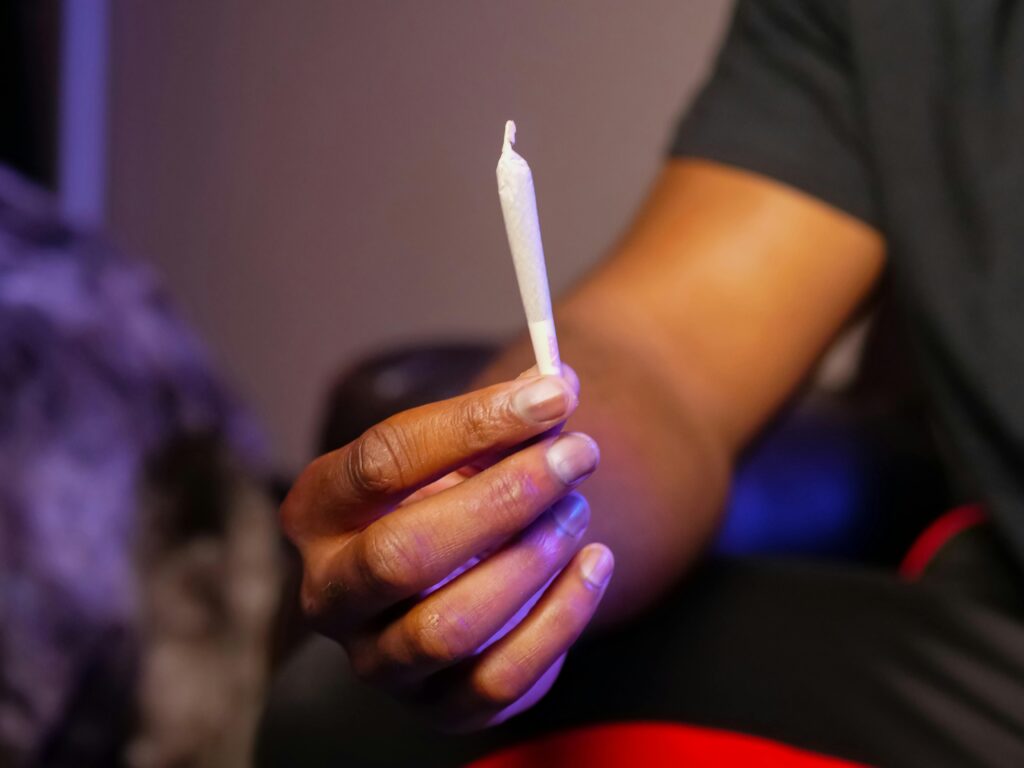
Las Vegas is built for spontaneity, but Nevada law around drugs is not. A quick decision—buying recreational marijuana, carrying prescription drugs, or taking something from a friend—can trigger drug possession charges that follow you long after your trip ends. In Las Vegas and Clark County, those cases often start with a simple stop, a hotel call, or security screening.
The hard truth is that “I didn’t know” rarely stops a case once police believe they have probable cause. Visitors are often shocked by how quickly the situation moves from questions to a search, from a search to an arrest, and from an arrest to bail conditions that affect travel plans. Knowing the rules up front is the best way to avoid serious legal consequences while still enjoying your trip.

Why Legal Cannabis and Illegal Substances Differ Under Nevada Law
A key travel mistake is lumping everything together as “drugs.” Under Nevada marijuana laws, adults 21+ can possess limited amounts of cannabis, but that is not the same as possessing a controlled substance like cocaine, meth, or certain pills without a valid prescription. Cannabis has its own regulatory framework, while most other drugs fall under controlled substance schedules that can lead to felony exposure.
That distinction matters because penalties, police assumptions, and courtroom strategy change depending on what you have and how it’s packaged. “It was just a small amount” may not help if officers believe there’s intent to sell, or if you’re carrying a substance treated more harshly under state law. If you’re unsure what you’re dealing with, the safest move is to avoid guessing and focus on protecting your case if contact with law enforcement officers occurs.
Legal Marijuana Purchases Still Have Possession Limits
Adults 21+ can purchase marijuana from licensed dispensaries in Las Vegas, and many visitors assume that means “no risk.” Nevada still sets a legal limit on how much you can possess, including limits for cannabis flower and concentrated marijuana. If you exceed the limit, what feels like a normal purchase can become a criminal offense with legal consequences.
The possession rule also creates confusion for people visiting multiple dispensaries in one day. Buying legally doesn’t automatically protect you if the combined amount puts you over the legal limit, especially if the packaging suggests distribution rather than personal use. If police suspect intent to sell, the case can shift from simple possession to exposure that carries severe penalties.
Marijuana Possession Limits for Tourists Under Nevada Law
Nevada’s adult-use limits are commonly described as up to 2.5 ounces of cannabis and up to 1/4 ounce of concentrate for those 21 and older. That baseline matters for out-of-state visitors because your home state’s rules don’t travel with you, and “I thought it was fine where I’m from” doesn’t change Nevada law.
If you’re over the limit, enforcement may start with a citation, but it can also escalate depending on context. Packaging, cash, text messages, and statements can be used to argue intent beyond personal use, which raises the stakes quickly. When you’re traveling, keeping your exposure low is a smart way to avoid self-incrimination and avoid turning a vacation into a court date.
Public Marijuana Use Is Generally Illegal in Las Vegas
One of the most common tourist arrests and citations comes from public use. Even though marijuana in Nevada is legal to possess (within limits), cannabis consumption is generally prohibited in public places—like sidewalks, casinos, clubs, parking garages, and many hotel areas. Visitors often learn this only after an interaction with law enforcement officers or security.
This is where “I’m not hurting anyone” collides with enforcement reality. Public consumption can trigger hefty fines and—depending on surrounding facts—lead to searches that uncover other issues like drug paraphernalia or pills without a valid prescription. Even when the cannabis itself is within the legal limit, the setting can create legal complications.

Cannabis Lounges in Nevada: Legal but Regulated
Nevada began allowing cannabis lounges so adults can consume on-site, but these businesses operate under strict regulations and local approval. The practical point for visitors is simple: lounges are meant to be the lawful alternative to public use, and they come with rules about how products are purchased and used on the premises.
Tourists should not assume every “smoke-friendly” venue is a compliant lounge. A venue’s marketing, a promoter’s claim, or a rideshare driver’s advice is not legal guidance, and relying on it can lead to serious consequences if police view the use as public consumption. When in doubt, verify you’re dealing with a legitimate operation and prioritize safe travels over convenience.
Common Tourist Mistakes With Lounges and Event Enforcement
Crowds change enforcement patterns. At festivals, sports events, and major weekends, policing and private security increase, and small infractions can turn into contact that invites broader investigation. People who smoke cannabis casually in a crowd sometimes trigger a chain reaction: removal, questioning, and then a search that uncovers other issues.
This is also where drug testing myths spread—people assume there’s a quick test that proves legality. In reality, cannabis enforcement often focuses on location and behavior, while other substances may lead to lab analysis and extended timelines. If you’re stopped, the best move is to stay calm, protect your right to remain silent, and avoid trying to “talk your way out” with guesses.
Federal Law Overrides State Cannabis Rules on Federal Property
A major Vegas visitor trap is forgetting that federal law applies on federal property. Even if something is legal under state law, it may still be illegal on federally owned land, inside federal buildings, or in certain federally controlled spaces. For tourists, that can include areas tied to federal operations or nearby federal lands outside the Strip.
The risk isn’t just theoretical: people carry cannabis in a backpack without thinking about where they’re walking, touring, or taking photos. If your trip includes day excursions near federal land, or you’re entering spaces that function under federal rules, you can stumble into legal consequences that don’t look like typical Nevada citations.
Prescription Medication Mistakes That Lead to Charges
Many visitors don’t touch street drugs but still end up with criminal charges because of pills. If you’re carrying prescription drugs, you should have a valid prescription and keep medication in properly labeled containers whenever possible. Officers often treat loose pills as suspicious, and that can escalate to drug possession allegations until documentation clears the issue.
This becomes even more serious with pain medications, stimulants, or anxiety medications that are frequently regulated as controlled substances. Sharing pills with a friend, carrying someone else’s medication, or traveling with unlabeled doses can trigger drug possession charges and, depending on facts, more serious allegations. The simplest travel habit—keep proof, keep labels, keep quantities consistent with personal use—can prevent serious consequences.
Medical Marijuana and Out-of-State Cards in Nevada
Some visitors arrive with a valid medical marijuana card and assume it gives them broader rights in Las Vegas. Medical status can matter in certain contexts, but it does not automatically authorize public use, and it does not protect you from rules about where you can consume cannabis. The key is separating possession rules from location rules.
Even for medical marijuana patients, problems arise when people treat cannabis like a universal exception across every venue. Nevada may recognize forms of accepted medical use, but enforcement still looks at behavior, location, and compliance. If you’re traveling, the safer approach is to treat medical status as documentation—not as permission to ignore public-consumption limits.
Bail and Court Conditions That Affect Travel
A common tourist shock is that bail is not just money—it often comes with rules. Conditions may restrict travel, require check-ins, or prohibit certain conduct while the case is pending, and violations can create new exposure. In Clark County, judges can also impose conditions that keep cases controlled while prosecutors evaluate evidence.
These conditions matter because they can collide with a visitor’s schedule. Missing court, leaving the state without permission (when required), or ignoring paperwork can turn a manageable case into a warrant situation. If you’re in this position, getting clarity on next steps quickly helps you protect your case and reduce accidental mistakes.

Arraignment, Discovery, and Why Timing Matters
At arraignment, the court confirms charges and sets the case on a track. From there, the defense receives evidence through discovery, which may include body camera footage, lab results, and reports that shape negotiation and motion practice. Many drug cases are won or improved by focusing on what the state can actually prove—especially knowledge, possession, and lawful search issues.
Timing is a strategic lever. Video can be overwritten, lab timelines can delay filings, and witnesses can disappear—so early action often helps the defense preserve favorable facts. If you wait, you may lose proof that supports your side, which is why attorneys emphasize acting early to protect your case rather than hoping it fades.
Drug Possession Penalties: From Fines to Felonies
Not all drug allegations carry the same weight. Cannabis, within limits, is one category, but possession of other controlled substances can expose a person to felony charges depending on the schedule and quantity. Nevada’s controlled-substance statutes focus heavily on the drug type and amount, and some thresholds can escalate penalties quickly.
Tourists should also understand that “intent” can be inferred from context. Packaging, scales, multiple baggies, large amounts of cash, or messages can be used to argue distribution even when a person insists it was personal use. That’s how a case can shift from drug possession to accusations that look like drug trafficking and carry harsher exposure.
Drug Trafficking Thresholds and Severe Penalties
Nevada treats drug cases as increasingly serious when quantities rise, and certain thresholds can trigger much harsher sentencing ranges. This is why visitors who carry “party weekend” amounts—especially with non-cannabis drugs—can face consequences that don’t match their expectations.
It’s also why you should never assume “same penalties” apply across substances. Cannabis rules do not translate to other drugs, and federal law can add another layer depending on location. If you’re facing allegations involving quantity, your defense needs to address not only what was found, but also how it was tested, handled, and linked to you through reliable evidence.
Drug Paraphernalia Charges for Small Amounts
Visitors sometimes focus only on the substance and forget about items that can be charged separately. Pipes, vapes, grinders, syringes, and other objects may be treated as drug paraphernalia, and their presence can be used to argue intent to use or distribute. That can complicate cases where the underlying possession might otherwise be negotiable.
Paraphernalia also increases police interest during searches because it’s visible and easy to interpret. If the state relies on paraphernalia to support intent, the defense may need to challenge assumptions, context, and the legality of the search. A small item can still carry legal consequences when prosecutors frame it as part of a larger story.
Transporting Marijuana and Crossing State Lines
Another common mistake is treating travel like a normal errand. Taking cannabis across state lines can create serious issues, because legality changes the moment you leave Nevada—and transportation can trigger federal and other-state exposure. Even a legally purchased product can become a problem if it’s carried into a jurisdiction that treats it as contraband.
Tourists also underestimate how “transport” issues arise in Nevada. Cannabis in a vehicle can still attract police attention during traffic stops, and how it’s stored may affect suspicion and enforcement decisions. If you’re stopped, the safest approach is to stay calm, invoke your right to remain silent, and avoid consenting to searches without understanding your rights.
FAQ
Where can I legally consume cannabis in Nevada?
In general, public consumption is prohibited, and use is typically limited to private spaces where it’s allowed, plus compliant cannabis lounges where permitted.
Hotels and casinos may have strict policies even on private property, and violations can escalate into security and police involvement. If there’s a dispute, avoid arguments and focus on the next steps that reduce risk. When in doubt, choose the lowest-risk option and avoid public areas.
What happens after a drug arrest in Las Vegas—booking, bail, and court dates?
Most cases move through booking, then a release decision that may include bail and conditions. Those conditions can affect travel and must be taken seriously to avoid additional problems. The court process then moves to arraignment and discovery, where evidence like reports and lab results becomes clearer. Early legal counsel helps you avoid missteps and plan around deadlines.
Should I talk to law enforcement officers if they ask questions about drugs?
Be respectful, provide identification, and remember you generally don’t have to answer detailed questions that could be used against you. Invoking your right to remain silent and asking for an attorney can prevent accidental self-incrimination.
Consent searches are a major turning point, so don’t agree to searches if you’re unsure of your rights. A lawyer can later evaluate whether probable cause existed and whether a suppression motion is appropriate.

Conclusion
Las Vegas can be an incredible trip, but drug misunderstandings can create criminal charges that derail travel and follow you home. Understanding Nevada marijuana laws, avoiding public use, respecting federal law traps, handling prescription medication carefully, and staying within possession limits are practical steps that reduce the risk of serious legal consequences.
If you’re already facing drug possession charges in Las Vegas or Clark County, you don’t have to guess your way through the system. The next step is to learn your rights, understand what evidence the state has, and take steps to protect your case early—before statements or missed court obligations make things worse.
This is general information, not legal advice, and outcomes depend on the specific facts and evidence in your situation. If you want clarity on next steps and how to seek legal counsel in Nevada, The Defense Firm can help you understand what you’re facing and what options may realistically be available.