 English
 Spanish
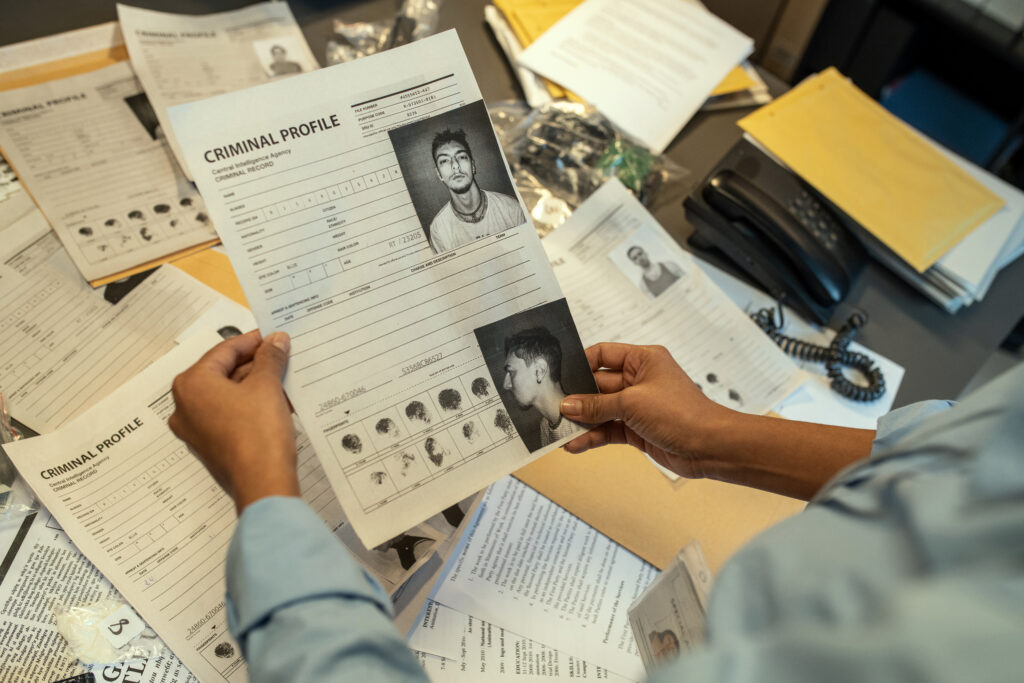
A criminal record can affect nearly every part of your life, from employment opportunities to housing approvals and even professional licensing. In Las Vegas and across Clark County, background checks are a routine part of hiring and rental decisions, which means even a minor criminal offense can continue to follow you long after a case is closed.
Many people assume that once a case is resolved, the situation is behind them. In reality, criminal records remain visible through most background checks unless they are legally removed through the record sealing process. This creates long-term consequences that go beyond fines or court appearances and can directly impact financial stability and future opportunities, especially with offenses like DUI convictions on your Las Vegas driving and criminal record.
Understanding Nevada Record Sealing and How It Works
Nevada record sealing allows individuals to legally hide certain court records and criminal history from public access. Once a record is sealed, it no longer appears in standard searches conducted by employers, landlords, or most government agencies.
However, sealing a record does not erase it completely. Law enforcement, including the Las Vegas Metropolitan Police Department, and certain licensing agencies can still access the criminal history record under limited circumstances. This distinction is important because it explains why the process is called sealing, not expungement.
The Difference Between Arrest Records and Court Records
Not all records are the same, and understanding the difference is critical when starting the record sealing process. Arrest records are maintained by a law enforcement agency, such as the Las Vegas Metropolitan Police Department or another police agency involved in the case.
On the other hand, court records are handled by institutions like the Las Vegas Justice Court or the Eighth Judicial District Court. When filing a record sealing petition, both types of records must be addressed, which is why the process often involves multiple courts and agencies.
How the Record Sealing Process Begins in Nevada
The first step in the record sealing process is obtaining a full criminal history report. This document outlines your entire Nevada criminal history, including arrests, charges, and case outcomes. Without this report, it is impossible to prepare an accurate petition.
Once the report is obtained, the next step is identifying which cases qualify under Nevada law. This includes reviewing each criminal case, verifying eligibility, and ensuring that all required waiting periods have been met before moving forward.

Waiting Periods and Legal Eligibility Under Nevada Law
Every criminal offense has a specific statutory waiting period before it becomes eligible for sealing. These timelines are defined under Nevada Revised Statutes and vary depending on the severity of the offense, and they play a major role in how long record sealing takes in Las Vegas.
For example, many misdemeanor offenses have shorter waiting periods, while category B felonies, felony DUI convictions, and cases involving substantial bodily harm require significantly longer delays before filing a record sealing petition.
Why Waiting Periods Create Delays in the Sealing Process
One of the most common frustrations people face is the delay caused by the required waiting period. Even if a case was dismissed or resulted in a minor outcome, the law still requires time to pass before the record can be sealed.
These delays can impact employment and housing opportunities during that period. Understanding how to verify waiting periods and plan is essential for avoiding unnecessary setbacks in the entire process.
Criminal Cases That May Not Qualify for Record Sealing
Not every case qualifies under Nevada record sealing laws. Certain sex crimes, including sexual assault, are generally excluded and cannot be sealed. For these and other serious offenses, it is important to understand which crimes you can’t seal in Nevada, as these cases remain permanently visible within the criminal history record.
Additionally, some violent offenses and repeat criminal convictions may fall under exceptions. For example, DUI convictions can have lasting impacts on your Las Vegas record and may be subject to stricter sealing rules. Identifying these limitations early helps avoid filing a petition that will ultimately be denied by the court.
The Role of Courts in Approving Record Sealing
Once a record sealing petition is filed, it is reviewed by the appropriate court, such as the District Court or Las Vegas Justice Court. The judge evaluates whether the petition meets all legal requirements under Nevada law.
If approved, the judge signs a court order that instructs all relevant agencies to seal records. This includes courts, police departments, and state agencies such as the Department of Public Safety.

How Multiple Agencies Affect the Timeline
After the court signs the order, the process does not end immediately. Multiple government agencies must update their systems to reflect that the order sealing records removes public access, and any violations of bail conditions in Las Vegas or other new charges during this period can further complicate matters.
This includes coordination with the Las Vegas Metropolitan Police, the Henderson Police Department, and other involved entities. The need to notify multiple agencies is one of the main reasons the timeline can extend over several months.
Cost Factors in Las Vegas Record Sealing Cases
The cost of Las Vegas record sealing depends on several variables, including court filing fees, document retrieval costs, and legal assistance. Each court clerk may charge separate fees depending on the number of cases involved.
Additional costs may arise when requesting records from a law enforcement agency or preparing documentation for multiple courts. While some individuals look for a free consultation, professional legal guidance often helps avoid costly errors and delays.
How Record Sealing Impacts Background Checks and Employment
Once a record is sealed, it no longer appears in most background checks. This can significantly improve employment prospects, especially for individuals who previously struggled due to visible criminal charges.
In industries that require professional licensing, sealing a record can also improve eligibility. However, certain agencies may still have access to sealed records, depending on the nature of the position and regulatory requirements.
Strategic Importance of Filing an Accurate Petition
An accurate petition is one of the most critical parts of the process. Errors in case numbers, missing courts, or incomplete information can lead to rejection or delays.
Because many individuals have cases across multiple courts, including North Las Vegas and Clark County, ensuring that every record is included is essential for sealing the entire criminal record.
What Happens After the Judge Signs the Order
Once the judge signs the order, the final phase begins. Each agency must confirm compliance, and the record sealed pursuant to the order becomes hidden from public access.
Although this step is largely administrative, delays can still occur. Monitoring the progress and ensuring all agencies complete the update is an important part of the entire record sealing process.
FAQ
How long does record sealing take in Las Vegas?
The timeline depends on the type of offense, the number of cases, and how many agencies are involved. Most cases take several months after filing.
What is the waiting period for record sealing in Nevada?
Waiting periods vary based on the offense. Misdemeanors typically require less time, while felony convictions require longer statutory waiting periods.
Can all criminal records be sealed in Nevada?
No. Certain offenses, including sexual assault and some violent crimes, are not eligible under Nevada law.
Does record sealing remove my record completely?
No. Sealing hides the record from public access, but law enforcement and some agencies can still view it.
Do I need a lawyer to seal my record?
While not required, working with a lawyer helps ensure accuracy and can reduce delays in the process.
Conclusion
The record sealing process in Las Vegas involves multiple steps, strict timelines, and coordination between courts and law enforcement agencies. From obtaining a criminal history report to filing an accurate petition, every stage plays a role in determining the outcome.
For individuals dealing with criminal records, understanding the time and cost factors is essential. A properly handled case can improve opportunities, protect your future, and reduce the long-term impact of past charges.
If you are considering sealing your record, speaking with a Las Vegas record sealing attorney can help you understand your eligibility, timeline, and next steps under Nevada law.