 English
 Spanish
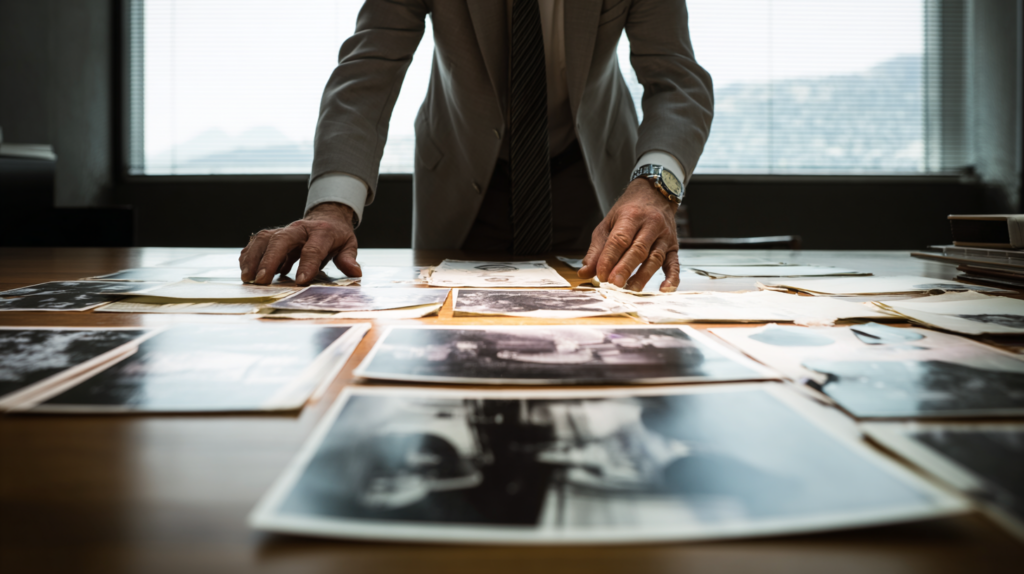
When someone is accused of a crime in Las Vegas, the case often turns on what the prosecution can prove, what the defense can challenge, and whether the evidence presented is strong enough to support a conviction. In Clark County, Nevada, prosecutors handle felony and misdemeanor matters through the criminal division, and that means a person facing criminal charges may quickly move from investigation to court deadlines, hearings, negotiations, or trial preparation. Understanding evidence in Nevada criminal defense cases is essential because evidence does not simply “speak for itself”; it must be collected, reviewed, challenged, admitted, and interpreted within the rules of the legal system.
For the accused, evidence can affect nearly every decision in the criminal process. It may influence whether a person contests the allegations, negotiates with prosecutors, files motions, prepares for a jury trial, or considers the risks of pleading guilty. A skilled criminal defense attorney does not only ask whether evidence exists; the attorney asks whether it is reliable, whether it is admissible, whether it was lawfully obtained, whether it directly proves the charge, and whether it leaves room for reasonable doubt.
Why Evidence Matters in Nevada Criminal Defense After an Arrest in Las Vegas
After an arrest or investigation, law enforcement officers’ reports, witness accounts, photos, videos, text messages, medical records, and forensic materials may be used to shape the prosecution’s version of what happened. In most cases, the government must connect that information to each legal element of the alleged offense, including whether a crime occurred, whether the defendant’s actions caused or contributed to it, and whether the prosecution can prove the required mental state. This is why critical evidence should be reviewed early, before assumptions harden into courtroom arguments.
A defense attorney may begin by comparing the police narrative against the actual record. If a report says one thing, but video footage, eyewitness testimony, or documentary evidence suggests something different, that difference can become central to the defense strategy. In a Las Vegas DUI arrest, for example, evidence may include driving observations, body camera footage, breath or blood testing records, and DMV-related materials that may affect a restricted driver’s license issue, while other Nevada criminal cases may depend more heavily on identification, intent, injury, or possession.
Physical Evidence, Crime Scene Details, and Forensic Analysis Can Shape the Case
Physical evidence may include clothing, damaged property, fingerprints, weapons, controlled substances, biological material, DNA samples, or other objects allegedly connected to a crime scene. This kind of evidence can play a crucial role in the case, but it is not automatically conclusive. The defense may question how the item was found, who handled it, whether the chain of custody is complete, whether contamination is possible, and whether the object truly connects the defendant to the alleged crime.
Scientific evidence and forensic analysis may also require careful review because jurors may give technical evidence more weight than it deserves. A criminal defense attorney may examine whether testing followed accepted procedures, whether the analyst is qualified, whether the result is statistically meaningful, and whether scientific research supports the prosecution’s conclusions. In some cases, expert testimony may be needed to explain limitations, challenge overstated claims, or help the jury understand why a forensic result does not necessarily prove the defendant’s guilt.
Direct Evidence, Circumstantial Evidence, and Witness Testimony Are Not the Same
Direct evidence is evidence that, if believed, directly proves a fact, such as a witness claiming they saw the defendant commit the act. Circumstantial evidence requires an inference, such as location data, behavior after an incident, possession of an item, or a pattern prosecutors believe suggests a defendant’s motive. Nevada criminal cases may involve both, and neither type should be ignored; the key question is whether the evidence is strong, lawful, consistent, and sufficient to prove the charge beyond a reasonable doubt.
Witness testimony, testimonial evidence, and eyewitness testimony can be powerful, but they can also be mistaken, incomplete, biased, pressured, or affected by stress. A defense lawyer may examine witness credibility, prior statements, visibility, timing, intoxication, memory, relationships between the parties, and whether the witness has a reason to exaggerate or minimize what happened. When a witness must testify in court, the defense may use cross-examination to show the judge or jury that the story does not match the evidence.
Admissibility Rules Decide What Evidence the Jury May Actually Hear
Not every piece of evidence gathered during a criminal investigation can be used at trial. Nevada law generally treats relevant evidence as admissible, while irrelevant evidence is not admissible, and even relevant evidence may be excluded when legal rules or constitutional protections apply. Under NRS 48.025, relevant evidence is generally admissible unless limited by law, while irrelevant evidence is not admissible.
This is where admissibility becomes a major defense issue. A defense attorney may argue that certain evidence should not be presented because it is unfairly prejudicial, confusing, cumulative, unreliable, or connected to an unlawful search or interrogation. Nevada evidence rules also recognize limits on evidence when its probative value is substantially outweighed by concerns such as unfair prejudice or confusion. For someone facing Nevada criminal penalties, keeping improper evidence out of the case can make all the difference in how the prosecution’s evidence is perceived.
Exculpatory Evidence Can Protect the Right to a Fair Trial
Exculpatory evidence is information that may help the accused, weaken the prosecution’s theory, or support an alternative explanation. This may include surveillance video, phone records, GPS data, receipts, medical records, witness statements, forensic results, or other forms of proof that contradict the allegation. The defense may need to request, preserve, and present exculpatory evidence before it disappears, becomes harder to obtain, or is overlooked during negotiations.
This matters because the purpose of the criminal process is not simply to press charges, but to seek justice through a fair trial. If the prosecution’s evidence is incomplete, if key information was ignored, or if police failed to investigate leads favorable to the accused, the defense can argue that the case is weaker than prosecutors claim. A strong criminal defense approach often depends on showing not only what the government has, but also what it does not have.
Trial Preparation Uses Evidence to Build Reasonable Doubt
At trial, the prosecution must present evidence and attempt to prove the accused is guilty under the applicable standard. The defense does not have to prove innocence, but it may argue that the government’s evidence is inconsistent, unreliable, incomplete, or legally insufficient. Insufficient evidence can become the foundation for defense arguments, motions, negotiation leverage, or trial strategy, depending on the facts and the stage of the case.
Effective trial preparation involves organizing the evidence, preparing cross-examination, reviewing visual aids, anticipating the prosecutor’s arguments, and deciding whether defense witnesses or expert testimony may help. A Nevada criminal defense attorney may also prepare the defendant to understand courtroom procedures, risks, and possible outcomes without making promises. Whether the case involves a first-time DUI offense, domestic allegation, theft accusation, drug charge, or violent offense, the evidence determines how the defense can respond.

FAQ
What types of evidence are used in Nevada criminal cases?
Nevada criminal cases may involve physical evidence, testimonial evidence, documentary evidence, scientific evidence, video footage, text messages, medical records, and police reports. The prosecution may use these materials to argue that a crime occurred and that the defendant committed it. A defense lawyer reviews whether the evidence is reliable, admissible, and strong enough to support the charge.
Can a criminal case continue with only circumstantial evidence?
Yes, a case may proceed with circumstantial evidence, but the prosecution must still prove the charge beyond a reasonable doubt. Circumstantial evidence requires the jury to draw inferences from facts, which creates room for defense challenges. A criminal defense attorney may argue that the evidence supports more than one explanation or fails to prove the defendant’s guilt.
What happens if evidence was collected illegally?
If evidence was obtained through an unlawful search, improper interrogation, or constitutional violation, the defense may ask the court to exclude it. The judge decides whether the evidence is admissible after reviewing the facts and legal arguments. If important evidence is excluded, it may affect negotiations, trial strategy, or the prosecution’s ability to prove the case.
Conclusion
In a Nevada criminal case, evidence plays a central role from the first police report through negotiation, hearings, and trial. Evidence in Nevada criminal defense cases is not just about reacting to what prosecutors present; it is about investigating the facts, identifying weaknesses, challenging improper materials, and protecting the accused person’s right to a fair trial. The strength of the defense may depend on whether the evidence is reviewed early, preserved properly, and tested before the case reaches a critical stage.
This article is general information, not legal advice, and outcomes depend on the facts, charges, evidence, court history, and specific circumstances of each case. If you are facing criminal charges in Las Vegas, Henderson, or Clark County, Nevada, early legal representation can help you answer questions, understand the evidence, and make informed decisions. Reach out to The Defense Firm today to schedule a free consultation with a knowledgeable Nevada criminal defense attorney who can examine the evidence against you, explain your legal options, and help you take informed steps to protect your case.