 English
 Spanish
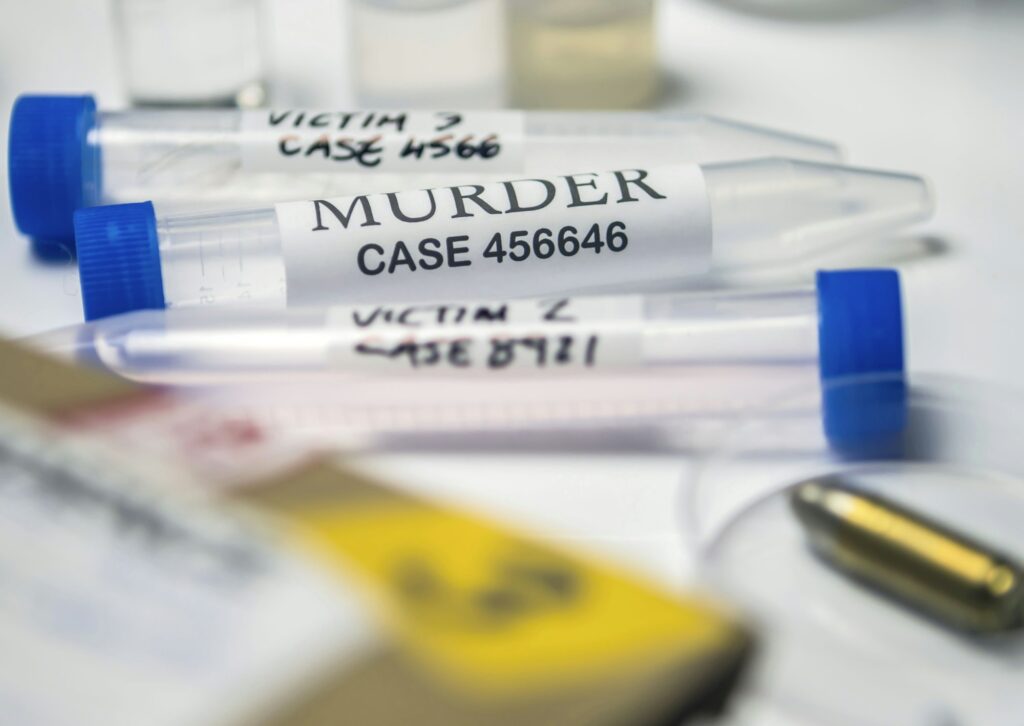
Forensic evidence is essential in solving murder cases, providing crucial support for investigations and courtroom trials. In Las Vegas, where high-profile cases frequently capture public attention, the importance of reliable forensic practices is paramount. From DNA analysis to digital forensics, understanding how forensic science is applied helps illustrate how justice is pursued and served.
Gathering Evidence at the Crime Scene
The foundation of any successful murder investigation begins at the crime scene. Investigators meticulously secure the area to preserve potential evidence. They identify likely points of entry and exit and map out a comprehensive survey of the scene to capture an accurate picture of what transpired.
Initial assessments involve presumptive tests to prioritize the collection of key evidence. High-resolution photographs and detailed 3D scans document the scene thoroughly. This visual documentation is vital for reconstructing the events during the trial.
Collecting evidence is a precise process. Each item—whether a latent fingerprint or a hair sample—is carefully preserved to maintain its integrity. Forensic experts use specialized powders, chemical developers, and DNA swabs to gather even the smallest trace evidence.
The collaboration of skilled crime scene personnel is essential. Their efforts ensure that all potential evidence is collected, cataloged, and stored correctly, serving as a crucial bridge between the scene and courtroom proceedings.
The Role of Digital Forensics in Modern Investigations

Digital forensics has transformed how investigators approach cases in today’s technology-driven world. Digital footprints—such as cell phone records, emails, and social media interactions—can provide significant insights into a suspect’s actions and connections.
Cell phone data is often critical, allowing investigators to track movements via GPS, analyze call histories, and recover deleted messages. Similarly, internet logs can show web searches, site visits, and relevant online activity, potentially establishing motives or timelines.
Ensuring the integrity of digital evidence is essential. Analysts follow strict protocols to maintain a clear chain of custody, ensuring no data is tampered with or lost. Advanced software tools help recover deleted files and analyze encrypted data, allowing forensic experts to present comprehensive findings in court.
The expertise of digital forensic analysts is crucial in demonstrating how data correlates with physical evidence. This integrated approach underscores how digital forensics complements traditional investigative techniques to strengthen cases.
Expert Testimony in the Courtroom
Once forensic evidence is analyzed, its presentation in court becomes a pivotal moment in a trial. Forensic experts must translate complex findings into understandable testimony for the jury, bridging the gap between scientific data and legal arguments.
A DNA expert, for example, might explain how a match was established between a suspect and crime scene evidence, detailing the statistical probability of such a match occurring by chance. A ballistics specialist may describe the trajectory and angle of a bullet to clarify the positioning of the shooter. These insights are instrumental in shaping jurors’ understanding of the evidence.
Forensic experts are also subject to cross-examinations, where their methodologies and conclusions are scrutinized by the defense. Their qualifications, experience, and adherence to scientific protocols are assessed to gauge the reliability of their testimony. Effective communication and the ability to defend their analyses under pressure are crucial for maintaining credibility.
Challenges and Misconceptions About Forensic Evidence
Despite its value, forensic evidence can be misunderstood or overestimated. Popular media often portrays forensic results as definitive, but in reality, some methods are less reliable than portrayed. For instance, while DNA evidence is highly credible, it can sometimes be transferred innocuously through touch, complicating its interpretation.
Fingerprint analysis, while iconic, is not immune to issues. Factors such as partial prints or subjective interpretations can affect reliability. Ballistics, too, involves complexities where the condition of recovered bullets may impact conclusions.
Attorneys often work to clarify these nuances for the jury, emphasizing that forensic evidence is one part of a larger evidentiary puzzle. By highlighting potential limitations, defense strategies may introduce reasonable doubt, which can sway a jury’s verdict.
The Importance of Professional Legal Guidance

Navigating a case involving forensic evidence is a complex endeavor. Expert legal representation ensures that forensic findings are accurately represented and leveraged effectively. Whether defending against charges or seeking justice for a victim, the insights of experienced attorneys can make all the difference.
At The Defense Firm, we specialize in handling intricate cases that rely heavily on forensic evidence. From scrutinizing the collection and handling of evidence to cross-examining expert witnesses, our team is prepared to build a defense that highlights your rights and questions the prosecution’s narrative.
If you or a loved one is facing serious charges, contact The Defense Firm today for a confidential consultation. Our team’s expertise in forensic analysis and trial strategy can provide the comprehensive support you need.
Conclusion: Forensic Evidence’s Ever-Evolving Role
Forensic science continues to evolve, integrating new technologies and methodologies to enhance accuracy and reliability in criminal investigations. In Las Vegas, where the stakes can be particularly high, forensic evidence remains central to uncovering the truth.
By bridging scientific advancements with meticulous legal practice, justice can be pursued with greater confidence. Staying informed about forensic practices and partnering with experienced legal advocates ensures that evidence is handled, presented, and interpreted with the utmost care.
For expert guidance on forensic-based cases, reach out to The Defense Firm. We are committed to providing the strategic defense and support needed to navigate complex legal landscapes. Contact us today for your free consultation.