 English
 Spanish
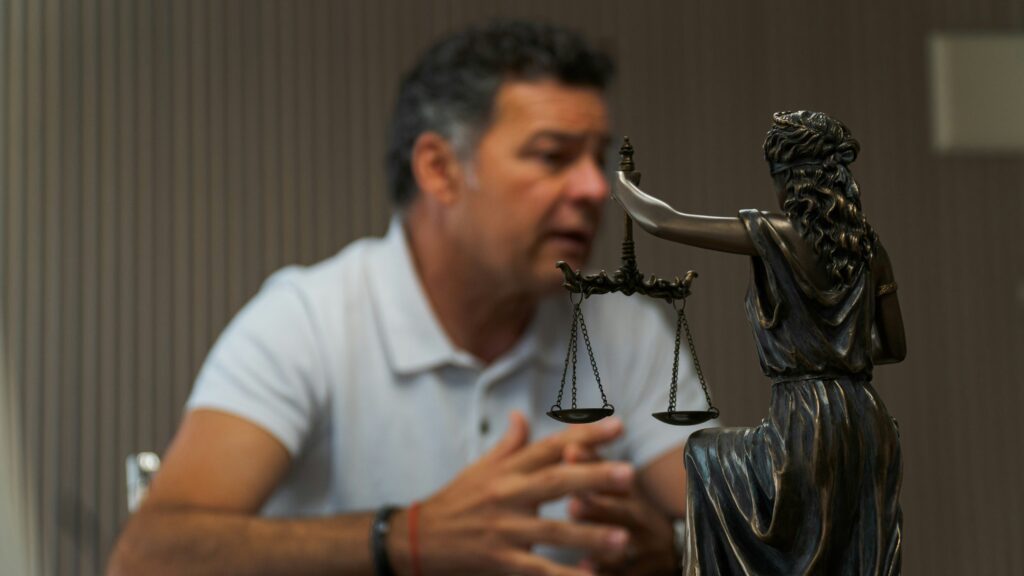
Facing a DUI arrest in Nevada and refusing a breathalyzer test can have serious legal consequences. If you were stopped in Las Vegas, Henderson, or Clark County and chose not to take a breath or blood test, your driver’s license and your criminal case may both be at risk.
Under Nevada’s implied consent law, simply driving on the state’s roads means you have already consented to a chemical test if a law enforcement officer has probable cause to suspect DUI. This article explains what happens when you refuse a breathalyzer in Nevada, how it affects your license, your criminal defense, and the strategies that may protect your future.
Refusing a breath or blood test may seem like a way to avoid self-incrimination, but in reality, it often has the opposite effect. Nevada’s DUI enforcement system treats refusal as a violation of the state’s implied consent laws, triggering an automatic administrative license suspension and giving prosecutors additional leverage in criminal court. Understanding your rights — and acting quickly to protect them — can make the difference between a temporary setback and a life-altering conviction.
Understanding the Preliminary Breath Test vs. the Evidentiary Chemical Test
During a DUI investigation in Las Vegas, an officer may first ask you to take a Preliminary Breath Test (PBT) at the roadside. This roadside breath test helps determine if there is probable cause for arrest.
After arrest, you are asked to take an evidentiary breath test or blood test — the official test used in court. Under NRS 484C.160, by operating a vehicle in Nevada, you are deemed to have consented to such a test.
Refusing the roadside test may lead to arrest, while refusing the post-arrest chemical test triggers automatic administrative penalties and can strengthen the prosecution’s case.
Nevada’s Implied Consent Law: Why It Matters
Nevada’s implied consent law (NRS 484C.160) is strict. Once law enforcement has reasonable grounds to believe you’re impaired, you are expected to comply with a breath, blood, or urine test.
Refusing to do so carries severe administrative and criminal consequences:
- The DMV may automatically revoke your driver’s license.
- The refusal can be presented in criminal court as evidence that you were aware of your guilt.
- The penalties apply even if your DUI charges are later dropped or reduced.
In short, Nevada treats a test refusal as both an administrative violation and a factor that can worsen your criminal case.
Immediate Aftermath: Administrative License Suspension
If you refuse a breath or blood test in Nevada, the arresting officer will:
- Seize your driver’s license and issue a temporary permit valid for seven days.
- Within that period, you must request a DMV hearing to challenge the suspension.
- For a first-time refusal, the DMV will impose a 1-year license revocation.
- If you have a prior refusal or DUI conviction within the past 7 years, the revocation period increases to 3 years.
Failing to request a hearing means the suspension becomes automatic and final upon the temporary permit’s expiration.
These administrative penalties exist separately from any criminal penalties — even if you are later found not guilty of DUI.
The Criminal Impact: How Refusal Affects Your DUI Case
Refusing a test doesn’t protect you from prosecution — in many cases, it makes your situation worse.
- The prosecutor can argue that your refusal demonstrates consciousness of guilt.
- The court may allow a forced blood draw if the officer obtains a warrant and uses reasonable force.
- The refusal removes your attorney’s ability to challenge a specific BAC result, making the defense strategy more limited.
- It often influences plea negotiations and can result in harsher penalties if you are convicted.
Therefore, a refusal is not a shield — it’s often viewed as an aggravating factor in a criminal DUI case.
How Refusal Impacts Your Driving Privileges
Refusing a chemical test jeopardizes your driving privileges immediately:
- The one-year revocation is mandatory for first refusals, and longer for repeat cases.
- The revocation runs consecutively with any suspension for a DUI conviction, meaning you could lose your license for years.
- You may be required to install an ignition interlock device (IID) before reinstatement.
- Your insurance rates can skyrocket, and you may need to file an SR-22 certificate.
Driving with a revoked license is a criminal offense in itself, adding another layer of legal risk.
Breath, Blood, or Urine: Key Differences Under Nevada Law
Understanding which chemical test you refused is essential:
- The Preliminary Breath Test (PBT) is voluntary, but refusal can still lead to arrest.
- The evidentiary breath test or blood test after arrest is mandatory under the implied consent law.
- A urine test is mainly used when drugs are suspected, not alcohol.
- If a breath test is unavailable or you are suspected of drug impairment, the officer may request a blood draw instead.
In all scenarios, refusing a post-arrest chemical test activates the same license suspension penalties.
The DMV Hearing: Your Opportunity to Challenge the Suspension
After your refusal, you have a limited time to fight the license revocation through a DMV hearing.
At this hearing, the judge examines:
- Whether the officer had probable cause to request the test.
- Whether you were adequately informed of your rights and consequences.
- Whether you knowingly refused or were physically unable to comply.
The DMV uses a lower burden of proof than criminal court, so it’s easier for them to uphold your revocation.
Winning the DMV hearing does not automatically dismiss your criminal case, but it can preserve your driving privileges and strengthen your defense position.

Defense Strategies After Refusing a Chemical Test
An experienced Las Vegas DUI lawyer can evaluate the unique details of your case to build a defense that challenges the prosecution’s claims. Common strategies include:
- Challenging police procedure — whether the officer followed proper legal steps, provided clear warnings, or mishandled the arrest.
- Questioning probable cause — if the initial stop or arrest was unlawful, evidence gathered afterward can be suppressed.
- Proving lack of intent or ability to refuse — in cases involving medical emergencies, confusion, or unconsciousness.
- Negotiating plea options — to minimize penalties or protect your record.
- Requesting restricted license options — to allow limited driving during suspension.
Prompt action with a qualified criminal defense attorney can make the difference between license loss and recovery.
Why Quick Action Is Critical
Time is your enemy in a refusal case. Once your temporary license expires, revocation begins. To protect your rights:
- Request your DMV hearing within seven days.
- Avoid making statements to officers or investigators without counsel.
- Collect evidence — such as police reports, calibration logs, or body-cam footage.
- Contact a DUI defense attorney immediately to prepare for both the DMV and criminal court proceedings.
Every day counts when facing an automatic license suspension and possible DUI conviction.
FAQ
Can I legally refuse a breathalyzer test in Nevada without penalties?
You may refuse to take the test, but under Nevada’s implied consent law, doing so results in automatic license suspension, and your refusal can be used as evidence against you in criminal court.
Will refusing the test prevent a DUI conviction?
No, even without a BAC result, prosecutors can pursue DUI charges based on field sobriety tests, officer testimony, or other evidence. Refusal may even strengthen the prosecution’s argument.
How long will my driver’s license be suspended if I refuse?
For a first refusal, expect a 1-year revocation of the license. A second or subsequent refusal within seven years can result in up to three years of suspension.
What should I do after refusing a breath or blood test?
Immediately contact a Las Vegas DUI attorney and request a DMV hearing within seven days. Your lawyer can challenge the revocation and begin building your defense strategy.
Conclusion
Refusing a breathalyzer test in Nevada can trigger severe administrative penalties, criminal exposure, and long-term consequences for your driving privileges. Yet, you are not without options.
A knowledgeable DUI defense lawyer can challenge procedural errors, pursue restricted driving privileges, and fight to safeguard your record and reputation.
If you’ve refused a chemical test in Las Vegas, Henderson, or anywhere in Clark County, take action today. Contact The Defense Firm for a free consultation with an experienced Nevada DUI defense attorney who can protect your rights, your license, and your future.