 English
 Spanish
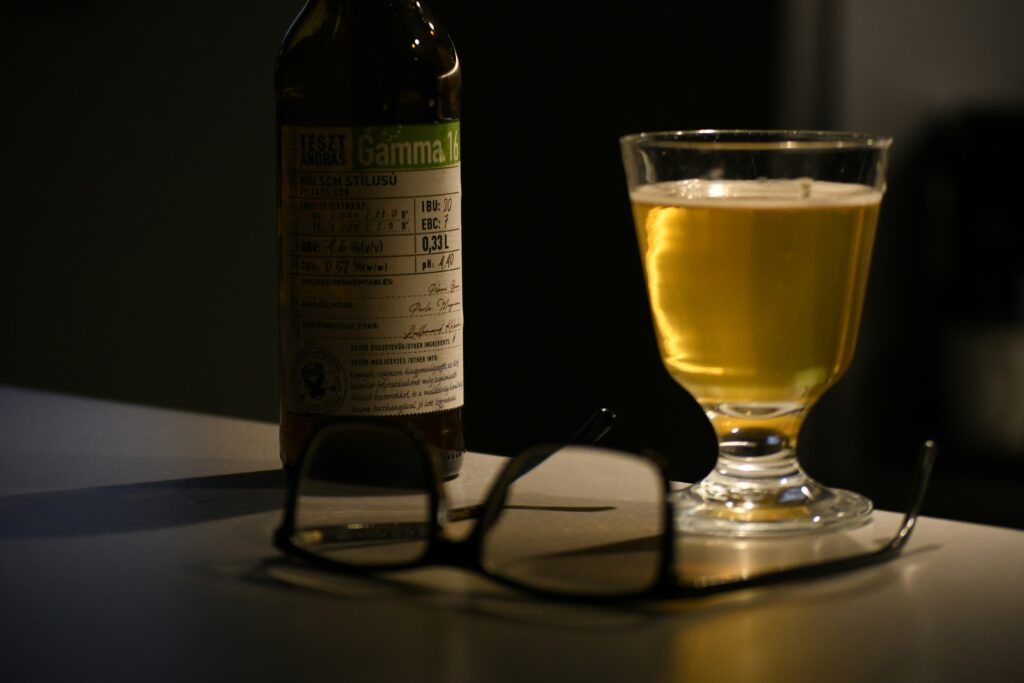
When a driver in Las Vegas is arrested for driving under the influence, one of the first steps in the DUI investigation is the administration of a breathalyzer test. Nevada relies heavily on breath testing because it offers quick measurements of blood alcohol concentration (BAC) and helps police determine whether a driver is above the legal limit. But the system is not flawless. Breath machines malfunction, produce artificially high BAC readings, or fail to capture deep lung air—all of which can lead to inaccurate breath test results.
A malfunctioning breathalyzer can completely change the direction of a DUI case. Nevada courts require that chemical testing be properly conducted, that machines be properly maintained, and that results comply with strict administrative rules. When something goes wrong with the breath test equipment, the validity of the prosecution’s evidence comes into doubt, impacting charges, driver’s license consequences, and potential penalties.
This guide explains what happens when the breath test machine fails, how it affects both criminal and DMV proceedings, and what an experienced DUI defense attorney can do to protect your future.
How Nevada DUI Laws Treat Breathalyzer Tests and Machine Malfunctions
Nevada law gives police broad authority to conduct a breathalyzer test after establishing reasonable grounds for a DUI arrest. Nevada’s implied consent rules make it mandatory for a driver who has been lawfully arrested for DUI to undergo a chemical test, whether that test involves a breath sample, a blood draw, or another approved method of measuring alcohol concentration. This test becomes crucial evidence in the case, and prosecutors often rely on it to prove impairment.
However, Nevada DUI laws also impose strict requirements on machine accuracy. If the machine used during the evidentiary test is not functioning properly, the results may be ruled unreliable. Courts require proof that the machine was calibrated, that the arresting officer followed proper testing procedures, and that the device was certified and inspected according to Nevada’s administrative code.
When a machine produces inconsistent readings, fails to capture a proper breath sample, or displays error messages, it signals improper calibration or mechanical defects. These issues undermine the state’s claim that the test shows genuine blood alcohol concentration, opening the door for legal challenges.
What a Police Officer Does When the Breath Test Machine Fails During a DUI Arrest
If the breathalyzer malfunctions during a roadside test or at the police station, the officer must decide how to proceed. Sometimes they attempt a second test using another machine. In other cases, they may switch to a blood draw, especially if they suspect high alcohol concentration or impairment by drugs.
Nevada law allows police to use reasonable force to obtain a blood sample after a refusal, meaning a malfunction does not prevent law enforcement from pursuing other chemical evidence. Still, a sudden transition from a breath test to a blood draw often becomes a key area of dispute, particularly when the officer cannot explain why the original machine failed.
A malfunction can also disrupt the timeline of testing. Because blood alcohol content changes over time—especially in cases involving rising blood alcohol—delayed testing can introduce uncertainty about what the driver’s BAC was at the time of the actual driving.
How Malfunctioning Breathalyzers Create Reasonable Doubt in Las Vegas DUI Cases
In Nevada, a DUI conviction requires sufficient evidence demonstrating impairment beyond a reasonable doubt. When the primary evidence—the breath test—comes from a machine that failed during the investigation, the reliability of the state’s entire case weakens significantly.
Defense attorneys often argue that a malfunction reflects:
- The device was not calibrated.
- The operator was not trained.
- The sample was contaminated.
- The machine was not properly maintained.
- The test was not an accurate reflection of the defendant’s alcohol concentration.
Even small deviations in machine performance can produce inaccurate breath test readings, allowing a defense attorney to challenge whether the test truly reflects blood alcohol concentration. This plant’s doubt in the minds of jurors and judges, potentially preventing a DUI conviction.
Understanding How Improper Calibration Affects Breath Test Evidence
Breathalyzers require routine calibration to ensure accuracy. The state must show that calibration occurred, that logs were correctly maintained, and that any machine used in Las Vegas DUI cases met required standards. Improper calibration can produce readings that are too high, too low, or inconsistent.
When calibration records are missing or incomplete, the defense may argue that the machine should not have been used in the first place. Nevada courts consider calibration failures serious because they undermine the scientific reliability that the prosecution depends on.
If the defense can demonstrate that the machine was outdated, improperly serviced, or not approved for use, the court may exclude the results entirely.
How Mouth Alcohol, Medical Conditions, and Interferences Lead to False BAC Readings
A breathalyzer malfunction is not the only issue that affects results. Sometimes the machine is working, but outside factors create inaccurate readings. Mouth alcohol, acid reflux, dental devices, or the use of products like breath sprays can inflate breath alcohol concentration.
Medical conditions, including GERD or diabetes, can produce chemical compounds that the machine misinterprets as alcohol. When these issues combine with a sensitive or malfunctioning device, test results can become unreliable.
An experienced DUI attorney can present medical records, expert testimony, or evidence of chemical interference to show that the results do not accurately reflect true blood alcohol content.
What Happens Next When the Breathalyzer Test Fails: Blood Tests, Urine Tests, and Forced Samples
When a breathalyzer fails during a DUI investigation, the next step typically involves switching to another form of chemical testing. Nevada permits police to request a blood test or urine test, especially if they suspect drug impairment or if the breath machine cannot collect a proper sample.
If a driver refuses additional testing after the breathalyzer failure, the officer may request a warrant for a forced blood draw. Nevada judges often grant these warrants quickly due to concerns about potentially dangerous drivers and BAC dissipation.
These procedures must still comply with Nevada law, and any deviation may give the defense grounds to challenge the resulting test.
How a Malfunctioning Breathalyzer Impacts DMV License Suspension in Nevada
Even if the breathalyzer fails, the Nevada DMV may still attempt automatic license revocation based on officer observations, field sobriety assessments, or alternative test results. The DMV process is separate from criminal court, meaning a driver may face administrative penalties before their case is even resolved.
If the breath test results are invalid, a DMV hearing becomes a critical opportunity for the defense. Challenging the legality of the test, the officer’s procedures, and the reliability of the equipment can prevent loss of your driving privileges.
Winning at the DMV can also strengthen the defense in criminal court by showing inconsistencies in the state’s case.
How Malfunctions Affect Criminal Court Proceedings and the Prosecution’s Case
Nevada prosecutors rely heavily on breathalyzer test results to secure convictions. When the machine fails or produces questionable readings, the prosecution’s case often becomes weaker. Without solid chemical evidence, prosecutors must lean on observation-based claims such as field sobriety performance or officer testimony.
These types of evidence are subjective and often unreliable. An experienced DUI defense attorney can show that the officer’s memory is incomplete, that testing conditions were flawed, or that legal procedures were not followed.
If the breathalyzer was malfunctioning, the court may rule the entire test inadmissible, which can result in:
- Reduction of charges
- Dismissal of the case
- Lower penalties
- Avoidance of mandatory DUI school
- Elimination of ignition interlock requirements
The absence of reliable chemical evidence forces prosecutors to reassess the strength of their claims.
How a DUI Defense Attorney Challenges Malfunctioning Breath Test Results in Clark County
A strong defense begins with identifying every flaw in the testing process. The attorney examines calibration logs, operator certification, machine maintenance records, and chain of custody for samples. Even minor errors can cast doubt on whether the results reflect true blood alcohol concentration.
A defense attorney may also bring in expert witnesses to explain how malfunctioning devices produce unreliable readings. Experts often testify about how breath machines detect alcohol, how they can be impacted by interference, and how inaccurate testing violates Nevada’s legal requirements.
By exposing these weaknesses, the defense increases the likelihood of a favorable outcome, whether through negotiations or trial.
Why Properly Conducted Chemical Tests Matter for Reliability in Nevada DUI Cases
Nevada law requires that breath testing be conducted with precision, consistency, and scientific reliability. When machines fail or officers do not follow required procedures, the results lack the credibility needed to support criminal charges.
Accurate testing is essential not only for the prosecution but also for defendants who deserve fair treatment under the law. Because BAC measurements carry heavy consequences—including license suspension, fines, criminal penalties, and long-term impacts on a criminal record—the testing process must be trustworthy.
A malfunctioning breathalyzer violates this trust, allowing the defense to attack the foundation of the case.
FAQ
Are breathalyzer results automatically thrown out if the machine malfunctions?
Not always. Courts examine the extent of the malfunction, the officer’s procedures, and calibration records. A defense attorney can argue for exclusion if the test was unreliable or improperly conducted.
Can I still lose my license if the breathalyzer machine failed?
Yes. The Nevada DMV may try to revoke your license based on other factors, such as officer observations or alternative tests. A DMV hearing is crucial to protecting your driving privileges.
Will the prosecution switch to a blood test if the breathalyzer fails?
Often, yes. Nevada police can request a blood draw or obtain a warrant for a forced sample. These procedures can also be challenged if not performed in compliance with legal requirements.
Conclusion
A breathalyzer malfunction is not a minor detail—it is a powerful legal issue that can reshape the course of a Nevada DUI case. When the machine fails, produces inflated readings, or is not properly calibrated, it undermines the reliability of the state’s evidence. Both the DMV and criminal courts require accuracy, and when that accuracy is missing, the prosecution’s case becomes significantly weaker.
If you or someone you love is facing DUI charges after a faulty breath test, you do not have to fight alone. A skilled attorney can challenge the testing process, protect your driver’s license, and work toward a result that minimizes long-term consequences.
If you’re dealing with the fallout of a malfunctioning breathalyzer in Las Vegas or Clark County, take action today. Contact The Defense Firm for a free consultation with an experienced DUI defense attorney who can fight for your rights and future.